Your Practical Guide to Istanbul's Best Shopping Markets: Where Locals Really Shop
From the Grand Bazaar's hidden corners to Balat's vintage treasures, here's how to navigate Istanbul's retail landscape like a true resident.
From the Grand Bazaar's hidden corners to Balat's vintage treasures, here's how to navigate Istanbul's retail landscape like a true resident.
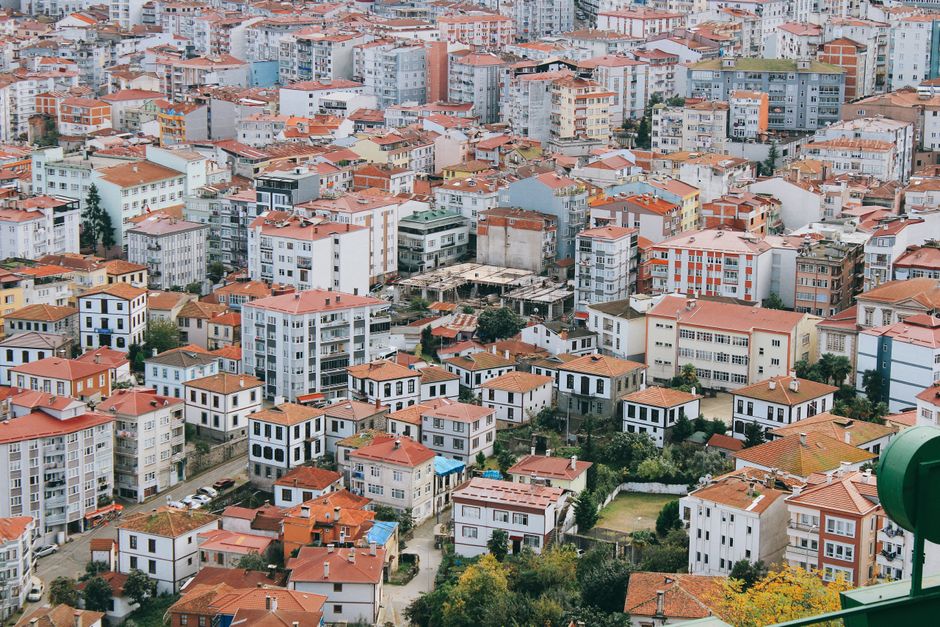
Istanbul's shopping culture isn't just about tourist-packed souvenirs. For those living in the city, the real retail adventure lies in understanding where locals actually spend their time and money—and how to avoid the crowds while finding genuine value.
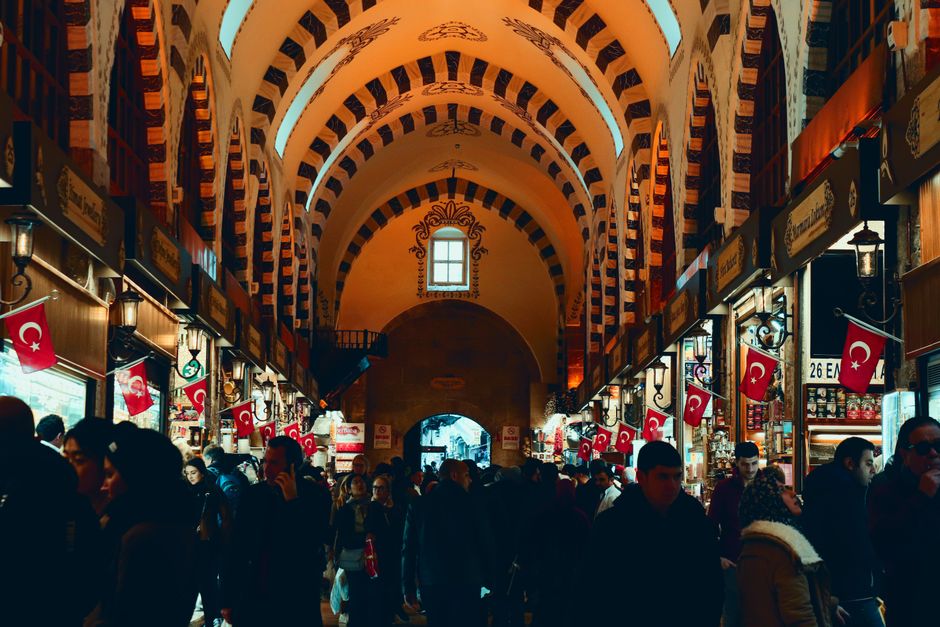
The Grand Bazaar (Kapalı Çarşı) remains essential, but timing matters. Arrive by 8:30 a.m., when merchants are still settling in and foot traffic is minimal. Most locals head directly to the spice quarter and textile sections rather than lingering near the main entrances. Prices vary wildly depending on your negotiation skills and vendor mood; expect to pay 30–50% less if you're willing to walk away.
For everyday shopping, Cevahir Mall in Şişli serves 3.5 million visitors annually, but residents tend to prefer neighbourhood alternatives. The Balat and Fener districts have exploded with independent boutiques, vintage shops, and design studios over the past five years. Sunday mornings here feel genuinely local—families browse handcrafted jewellery, restored furniture, and contemporary clothing without the commercial pressure of chain stores.
Aksaray's wholesale textile district attracts professionals buying in bulk, but residents increasingly visit for affordable fabrics and ready-to-wear pieces at 40–60% below retail. The neighbourhood's density of shops means you can compare prices within minutes. Similarly, Fatih's fabric markets near the Süleymaniye Mosque offer everything from traditional Turkish textiles to modern synthetics.
For fresh produce and everyday essentials, the weekly street markets—pazarlar—remain unbeatable. Kadıköy's Wednesday and Saturday markets attract serious shoppers hunting seasonal vegetables, cheeses, and olives. Prices typically undercut supermarkets by 20%, and you'll find varieties unavailable in chains.
Modern shopping has shifted online, with Turkish platforms like Trendyol and Hepsiburada offering same-day delivery in central Istanbul. Residents increasingly use these for convenience, though returns and quality inconsistencies remain common complaints.
The key to smart shopping in Istanbul is neighbourhood loyalty. Rather than chasing the iconic bazaars repeatedly, invest time exploring your local mahalle's markets, independent shops, and seasonal vendors. You'll save money, discover better quality, and genuinely become part of Istanbul's retail ecosystem rather than just passing through it.
This article was compiled by AI from the sources linked above and screened before publishing. See our editorial standards.
How does this story make you feel?
Spread the word
About this article
Published by The Daily Istanbul
Daily brief
Free, in your inbox before 7am. Weekdays.
More in lifestyle