Istanbul's retail landscape tells two completely different stories depending on which side of the counter you're standing on. Walk through the Grand Bazaar's main corridors in summer, and you'll see tour groups clustching overpriced evil-eye charms. But slip into the neighbourhoods where actual residents shop, and you'll discover a city that's quietly mastered the art of value, quality, and knowing exactly where to look.
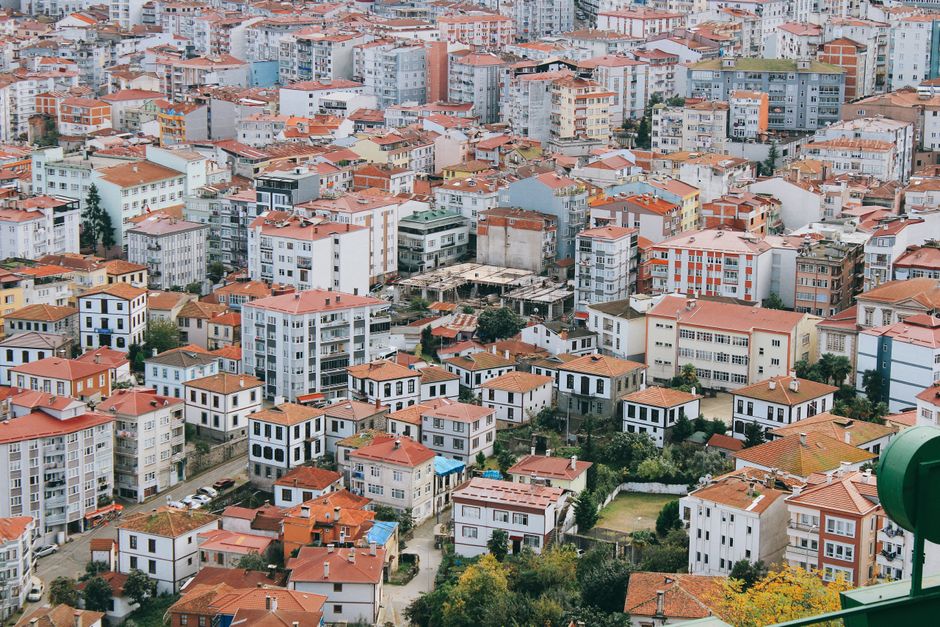
Start in Balat, where multi-generational family businesses still dominate the narrow streets. The textile shops here—particularly along Balat Caddesi—stock fabrics at roughly 40-50% less than you'd pay in Beyoğlu's designer districts. Locals know to arrive early, before afternoon heat drives everyone indoors, and to bring cash; many vendors offer better rates without card processing fees. The neighbourhood's produce vendors move serious volume, which means fresher stock and competitive pricing on seasonal items.
For household goods and everyday essentials, Aksaray remains the workhorse neighbourhood that most guidebooks ignore. The concentration of wholesalers and mid-market retailers along Adnan Menderes Caddesi means serious shoppers can stock up on kitchenware, textiles, and basics at prices that make sense for families managing Istanbul's cost of living. It's utilitarian, sometimes chaotic, but genuinely where the city sources what it needs.
The shift toward neighbourhood markets has accelerated over recent years. Weekly pazar (open markets) in Beşiktaş, Üsküdar, and Fatih offer not just better prices but also social infrastructure—regulars know the vendors, understand seasonal rhythms, and build relationships that translate to quality assurance. A Tuesday morning at Beşiktaş's waterfront market typically sees locals selecting produce directly from vendors they've trusted for years, often at 30% below supermarket prices.
For those working within Istanbul's median household budget, the mathematics of shopping has shifted. Supermarket chains like CarrefourSA and Migros dominate convenience shopping, but serious money-conscious residents still split their shopping between discount chains like BİM and ŞOK for basics, specialist vendors for specific categories, and markets for fresh goods. It's time-intensive but economically rational in a city where wages haven't kept pace with inflation.
The honest truth locals will tell you: Instagram-worthy shopping experiences in Nişantaşı or Galata are genuinely for visitors. Real Istanbul shopping is functional, relationship-based, and happens in neighbourhoods most tourists never reach. It's less romantic, perhaps, but infinitely more reflective of how the city actually lives.
This article was compiled by AI from the sources linked above and screened before publishing. See our editorial standards.