Moving to Istanbul? Here's What Locals Actually Want You to Know
Forget the guidebooks—real expats living in the city share their hardest-won lessons about neighbourhoods, money, and making it work.
Forget the guidebooks—real expats living in the city share their hardest-won lessons about neighbourhoods, money, and making it work.
Istanbul's expat population has grown roughly 40% over the past five years, yet newcomers often arrive armed with romantic notions that collide with daily reality. We spoke with long-term residents across the city to cut through the mythology.
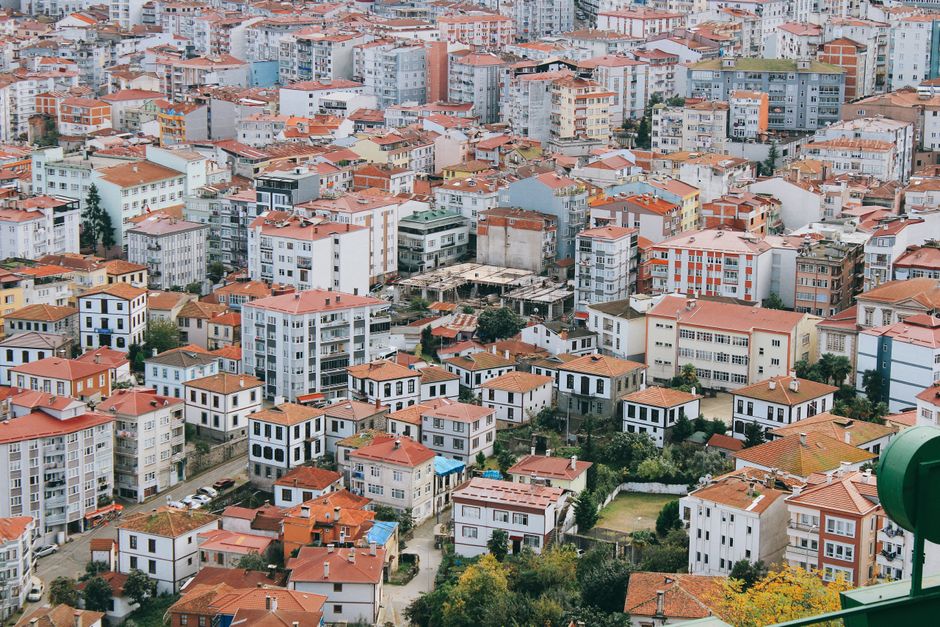
Neighbourhood geography matters more than you think. Everyone assumes Beyoğlu or Galata are the defaults, but locals consistently point to Kadıköy as the actual heart of expat life. "Rent is reasonable, ferries to the European side cost 2.5 lira, and you're near actual neighbourhoods—not just tourism," explains the consensus. Cihangir remains charming but pricey; Şişli offers quieter residential vibes with metro access. Avoid choosing based on Instagram alone. Spend two weeks renting short-term in your target neighbourhood first.
Money requires strategy. The Turkish lira's volatility means most expats keep savings in US dollars or euros. Bank transfers from abroad take 3-5 business days. A one-bedroom apartment in central Kadıköy runs 15,000-22,000 lira monthly (roughly $500-740 USD, though rates fluctuate). Budget 30% more than comparable European cities for imported goods, 40% less for local food and utilities. Locals recommend opening a Turkish bank account immediately—ING and Garanti are reliable for expats—despite bureaucratic friction.
Transport is cheaper than you expect, chaotic by design. The Istanbulkart (rechargeable transit card) costs 50 lira for the card itself; rides average 3-5 lira. Metro, trams, and ferries are heavily subsidised. Nobody expects newcomers to understand the system immediately. Download Moovit or Google Maps; locals still use both because neither is perfect. Ferries across the Golden Horn remain the most pleasant commute in the city.
Language is the real barrier, but it's manageable. English is spoken in tourist areas, business districts, and among younger professionals, but essential services—tax office, hospitals, police—often require Turkish or a translator app. Duolingo won't cut it. Invest in conversation classes; most run 200-300 lira per hour through local tutoring networks or platforms like iTalki.
Healthcare works, but navigate it carefully. Turkish healthcare is excellent and inexpensive compared to Western standards. Register with your neighbourhood's state health centre (sağlık ocağı) for baseline care; private hospitals like American Hospital and Acibadem are world-class but pricey. Travel insurance is essential for expats until residency is established.
The honest truth: Istanbul rewards preparation and flexibility, punishes entitlement. Talk to people already here before you move.
This article was compiled by AI from the sources linked above and screened before publishing. See our editorial standards.
How does this story make you feel?
Spread the word
About this article
Published by The Daily Istanbul
Daily brief
Free, in your inbox before 7am. Weekdays.
More in lifestyle