On a Tuesday morning in Bebek, the jetty near Acibadem School fills with uniform-clad children waiting for the school boat. Their parents linger, exchanging updates about summer camps and university entrance exams in Turkish and English. This scene—replicated across Istanbul's wealthier European neighbourhoods—reveals a city where family life is profoundly shaped by geography, culture, and the particular rhythms of each mahalle.
Istanbul's parenting landscape fractures neatly by district. In Bebek and nearby Etiler, international schools dominate. Tuition runs between €15,000 and €25,000 annually, and the community orbit revolves around expat networks, weekend brunches along the Bosphorus, and careful navigation of Istanbul's private school hierarchy. Parents here often speak of "expat bubbles," yet many choose precisely this—predictability, English-language instruction, familiar curricula.
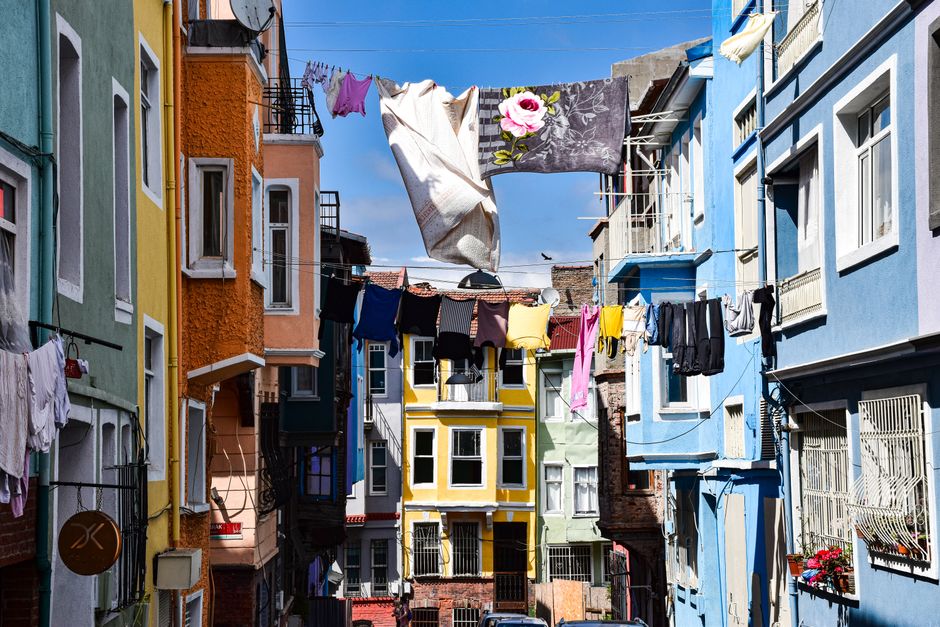
Cross the Golden Horn to Cihangir or Balat, and the parenting culture transforms entirely. These bohemian neighbourhoods, gentrified over the past decade, attract young Turkish professionals and artists. Schools like Özel Cihangir Okulları and neighbourhood primary schools blend Turkish curriculum with progressive pedagogy. Community life happens organically: children play in narrow streets while parents gather at independent bookshops and cafés along İstiklal-adjacent lanes. A Balat resident might pay €8,000 yearly for private school, or opt for solid state alternatives at €3,000.
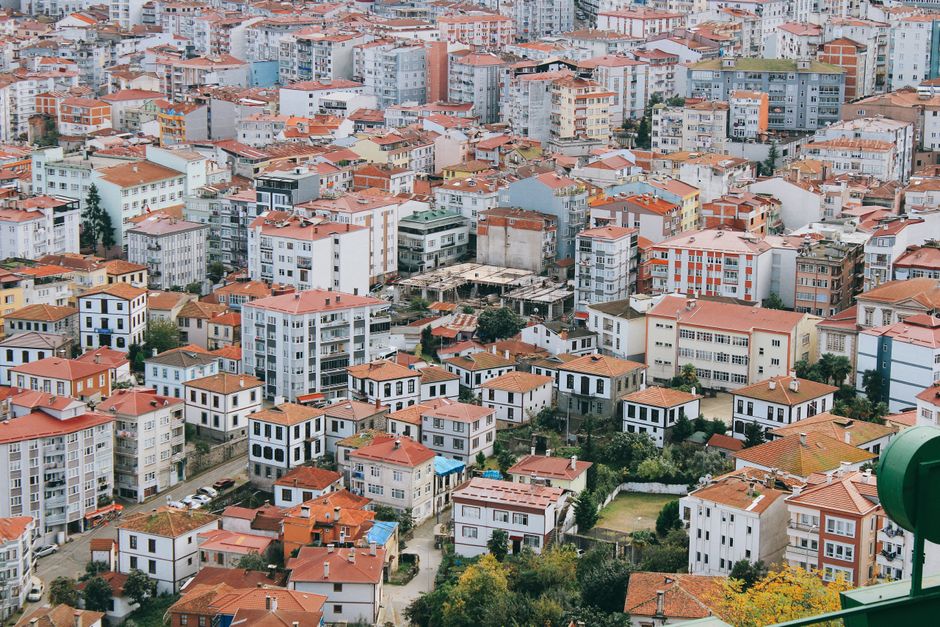
In residential Levent and Maslak, a different model emerges—corporate families with school shuttles, gated communities, and tightly scheduled after-school activities. These neighbourhoods prioritize convenience; Istanbul's notorious traffic means proximity to school becomes a primary consideration.
Yet Istanbul's true parenting character lies in its informal economy of childcare and neighbourhood support. Turkish grandmothers (anneler) remain central to family logistics across all districts. Neighbourhood bakeries, toy shops, and stationery stores operate as de facto community hubs where parents exchange school recommendations and region-specific advice. This informal network—particularly strong in traditionally Turkish areas like Aksaray and Fatih—provides a safety net no curriculum can replicate.
Schools themselves function as neighbourhood anchors. Parent associations (okul dernekleri) organize fundraisers, outings, and social events that genuinely build community. These aren't merely administrative; they're where friendships form, contacts exchange, and the neighbourhood's social fabric tightens.
As Istanbul's housing costs climb and international mobility increases, these neighbourhood identities feel increasingly precious. Families choosing where to raise children aren't simply selecting a school—they're choosing which Istanbul they'll inhabit, and which community will shape their children's sense of home.
This article was compiled by AI from the sources linked above and screened before publishing. See our editorial standards.