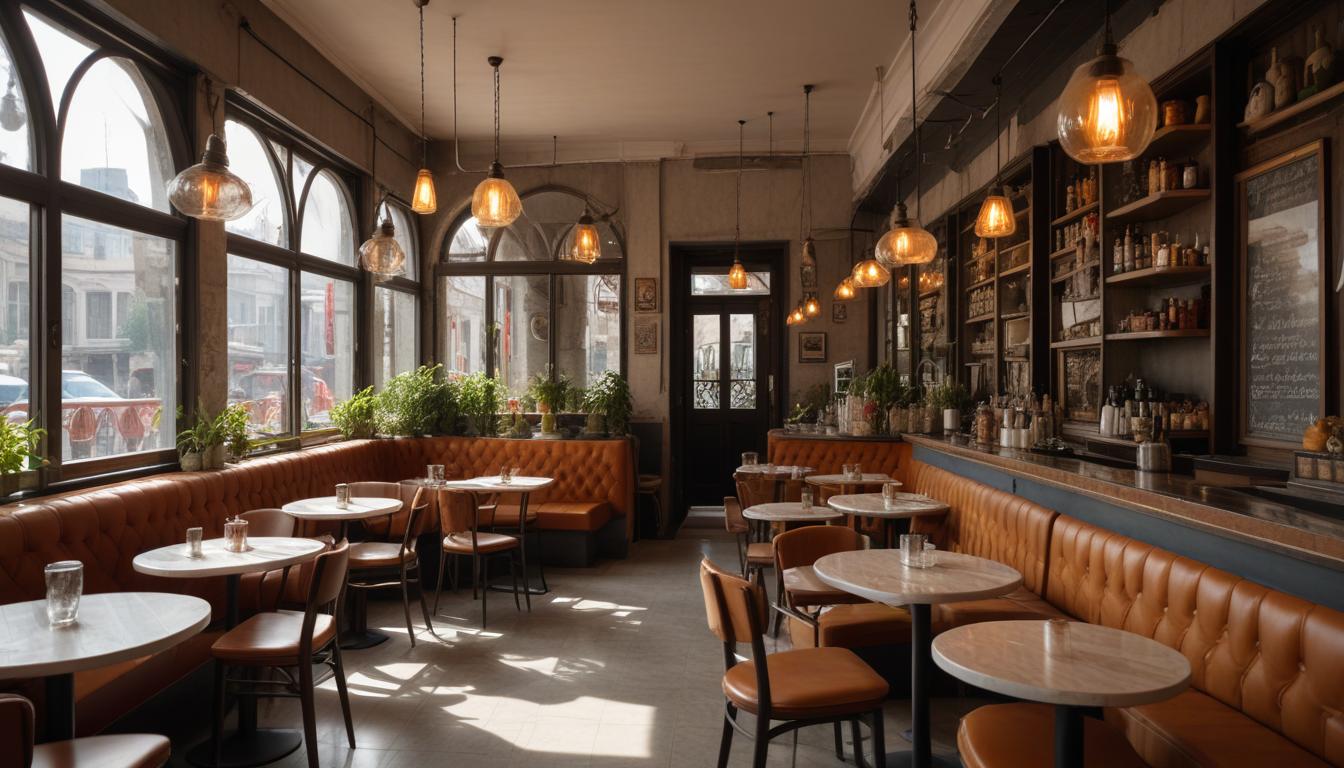
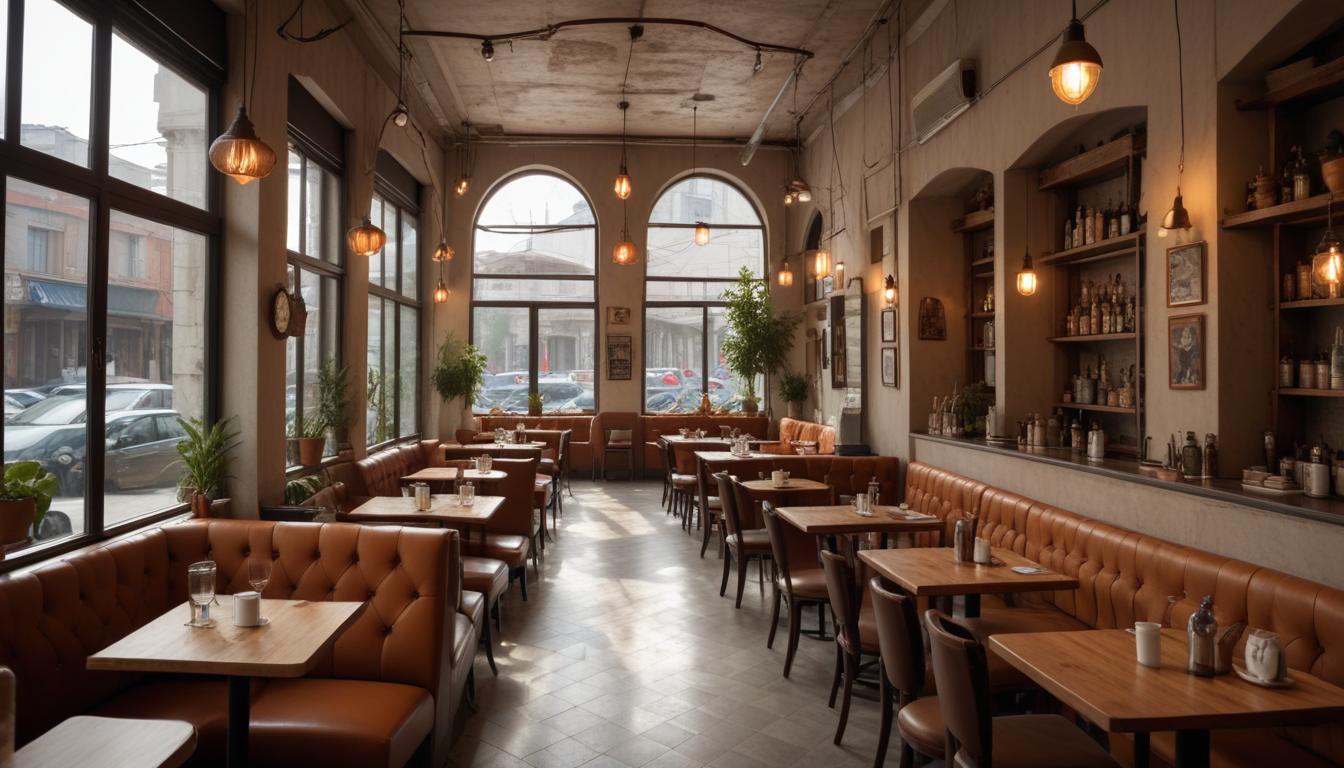
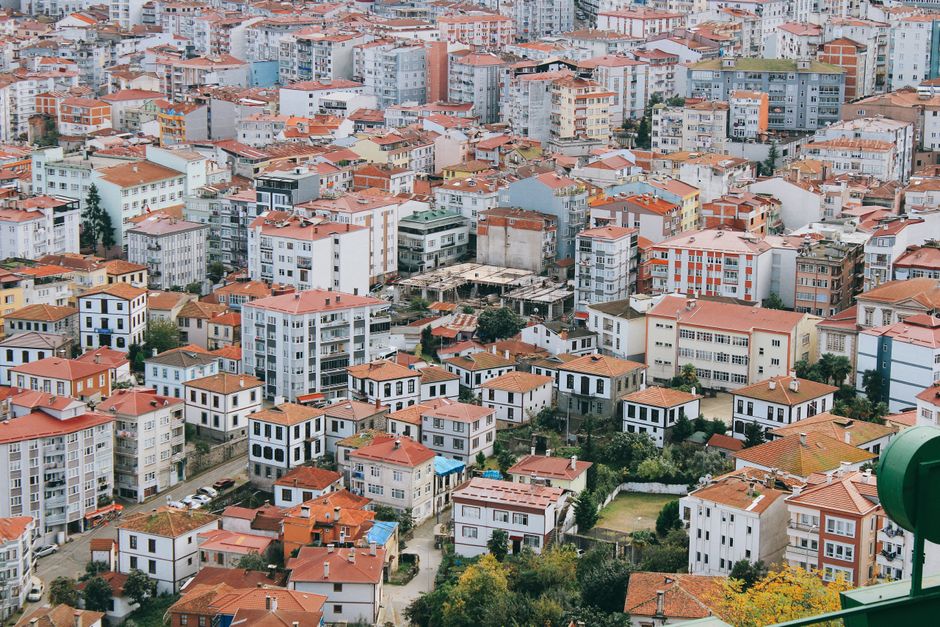
When you arrive in Istanbul with suitcases and uncertainty, the Bosphorus is beautiful but impersonal. What actually anchors you to this city of 16 million are the people you meet over strong Turkish coffee in a Balat side street, or the neighbour who explains the minibus system without rolling their eyes for the hundredth time that day.
The expat population here is remarkably diverse—around 1.2 million foreign residents according to municipal data, though many are temporary. Yet within this ecosystem exists an invisible infrastructure of connectors: established expatriates, Turkish professionals fluent in navigating between cultures, and grassroots community organisers who understand that relocation isn't really about finding an apartment. It's about finding your people.
Take Beyoğlu and Galata, where language exchange meetups happen almost nightly in venues around İstiklal Caddesi. These aren't just grammar lessons; they're where newly arrived finance professionals meet long-term residents who've figured out the healthcare system, where to source familiar foods without paying premium prices, and which neighbourhoods suit different lifestyles and budgets. A one-bedroom rental in Cihangir runs roughly 15,000-20,000 Turkish lira monthly (around €450-600), while Fatih and Balat offer character at lower prices, if you're willing to embrace the chaos of these historic quarters.
Community Facebook groups and WhatsApp networks—often started by individuals who've been here five or ten years—have become unofficial city hall for expats. They offer practical wisdom: which hospitals speak English, which schools have international curricula, where to find reliable plumbers, how to register at the municipality. But they also facilitate something less tangible: the stories that make relocation feel like adventure rather than displacement.
Organisations like the American Boat Club in Bebek and the British School community in Etiler provide formal networking, yet the real magic happens in informal spaces. In the coffee shops around Karakoy, at the weekly gatherings in Cihangir's parks, in the shared kitchens of coworking spaces in Levent where startup-minded expats collaborate with Turkish entrepreneurs.
Istanbul's appeal—and its challenge—is that it demands engagement. The city doesn't make itself easy for newcomers, but that friction is precisely what builds community. Those who succeed aren't necessarily the wealthiest or most prepared; they're the ones who sit down, listen to others' stories, and let the city's human texture gradually become familiar.
Before you book that apartment, find your people. Everything else follows.
This article was compiled by AI from the sources linked above and screened before publishing. See our editorial standards.