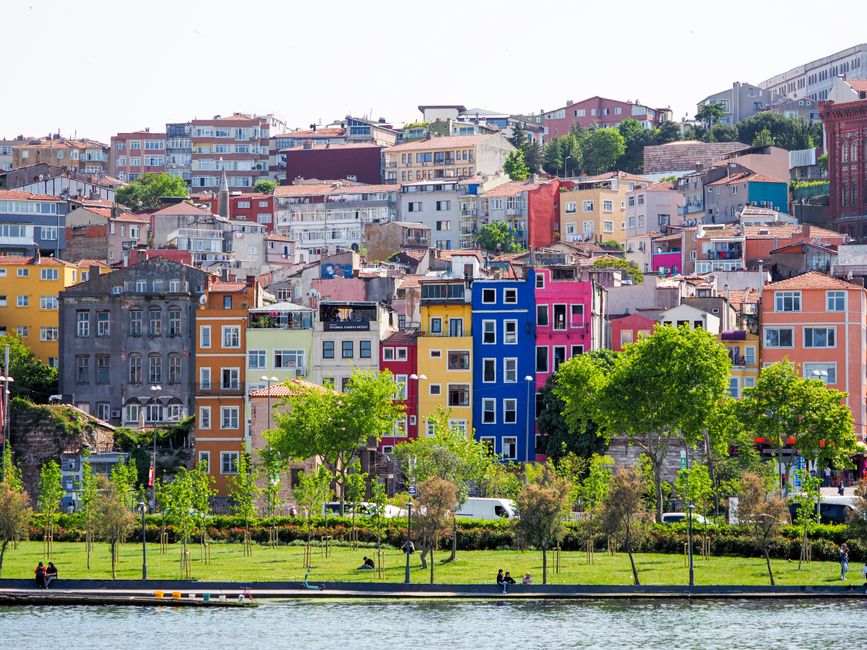
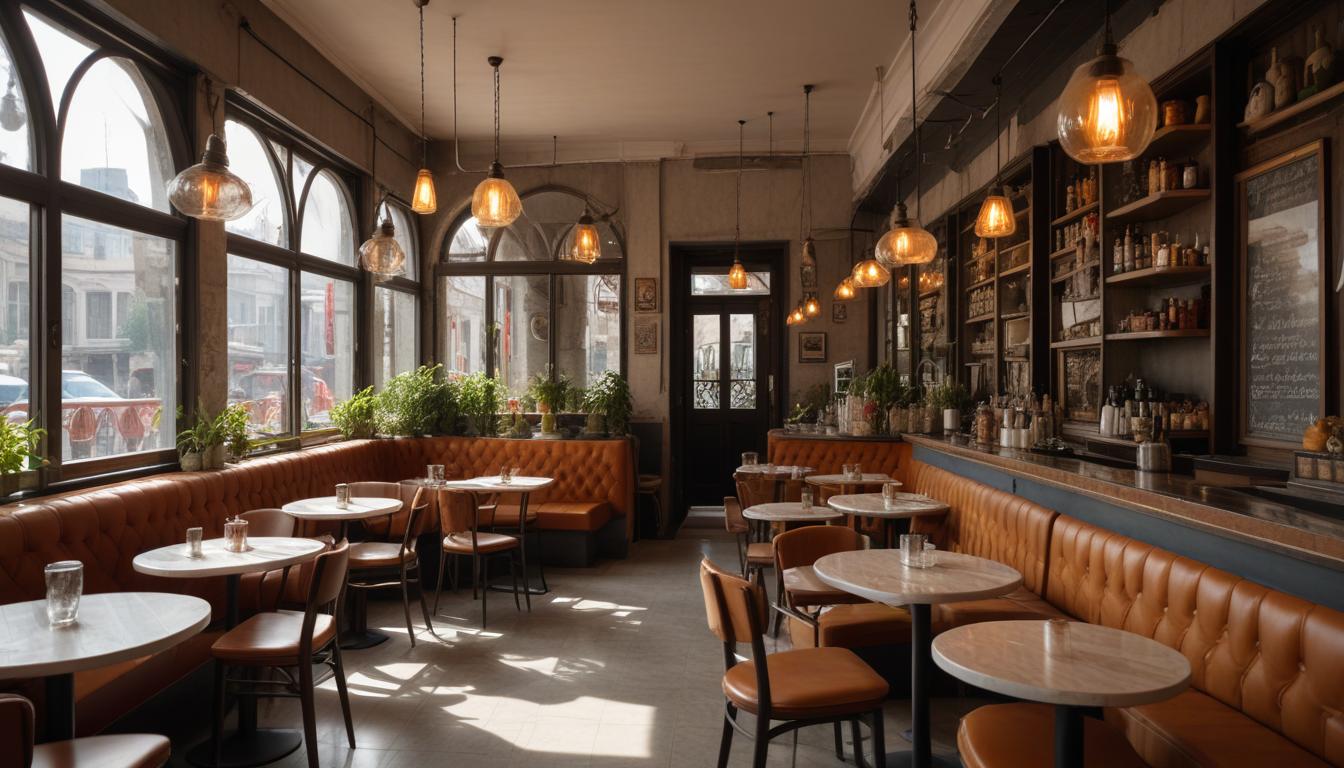
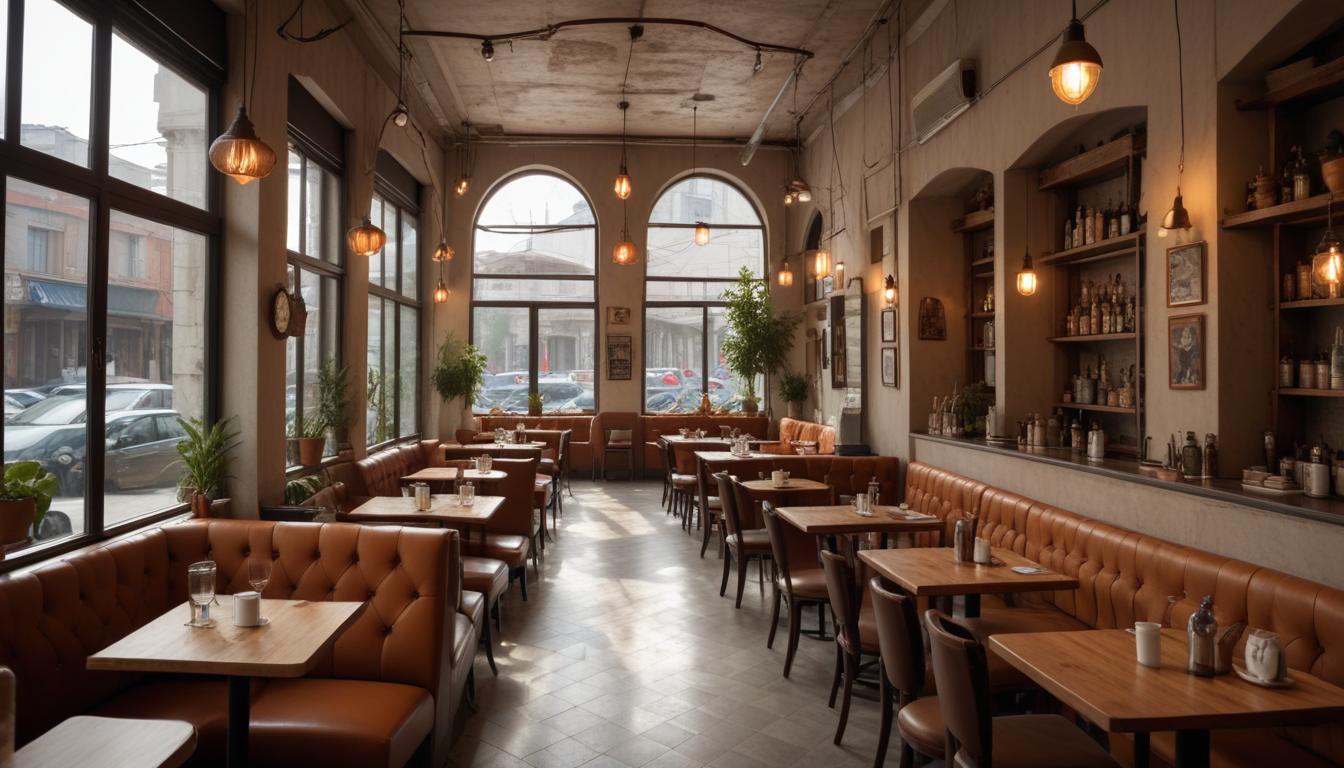
Walk down Balat's narrow Değirmenci Sokak on a Saturday morning and you'll notice something unexpected: the old wooden houses with their peeling paint aren't being photographed as relics anymore. Instead, visitors are asking directions to the newly expanded gardens tucked behind renovated facades, or making reservations at the neighbourhood's growing cluster of wellness-focused cafés.
The transformation of Balat—that once-gritty Istanbul quarter beloved by backpackers and street photographers—reflects a broader shift in how the city's weekend visitors are choosing to spend their leisure time. Over the past 18 months, the neighbourhood has quietly pivoted from its identity as a photogenic backdrop to something more functionally recreational.
The catalyst? The completion of the Balat-Fener Waterfront Park project in March 2025, which created 2.3 kilometres of public green space along the Golden Horn's western shore. Local business association data shows weekend foot traffic in the immediate vicinity increased 42 percent within four months. But the ripple effects extend inward, into the residential streets where property owners have begun capitalizing on the shift.
"We're seeing a different clientele now," explains Emre Kaya, who manages three heritage guesthouses in the area. "Previously, people came for the Instagram moment—they'd stay two hours. Now families book us for full weekends. They want to actually use the space."
The leisure infrastructure reflects this maturation. Balat Bahçesi, a membership-based urban garden collective that launched last October on Çukurcu Caddesi, now hosts 120 active members tending individual plots. Entry is 450 lira monthly. Nearby, three new bicycle rental stations have appeared, with weekend rates averaging 80 lira per day—part of a city-wide micro-mobility expansion.
Yet the transformation isn't universal. Purist observers worry about gentrification's creep. Turkish media reports note that residential rental prices in central Balat have increased 28 percent year-on-year. Some longtime residents and shopkeepers on Mürsel Paşa Caddesi express mixed feelings about becoming a "wellness destination."
Still, the numbers tell their own story. Survey data from the Istanbul Chamber of Commerce suggests weekend leisure spending in Balat increased by 35 percent over the past two years, with outdoor activities (cycling, picnicking, gardening) representing the fastest-growing category. For many Istanbullus seeking respite from the city's frenetic pace, Balat's evolution offers something increasingly rare: authenticity that's also, finally, comfortable.
This article was compiled by AI from the sources linked above and screened before publishing. See our editorial standards.