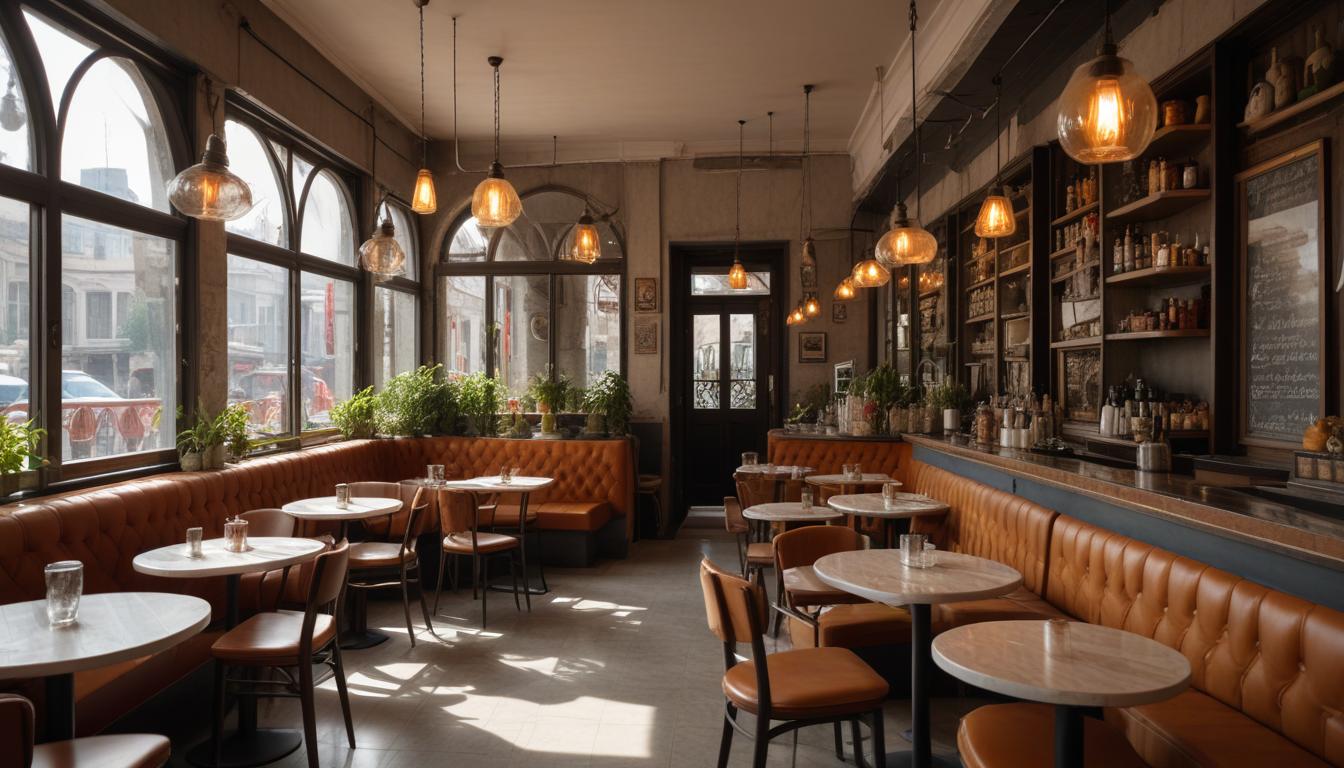
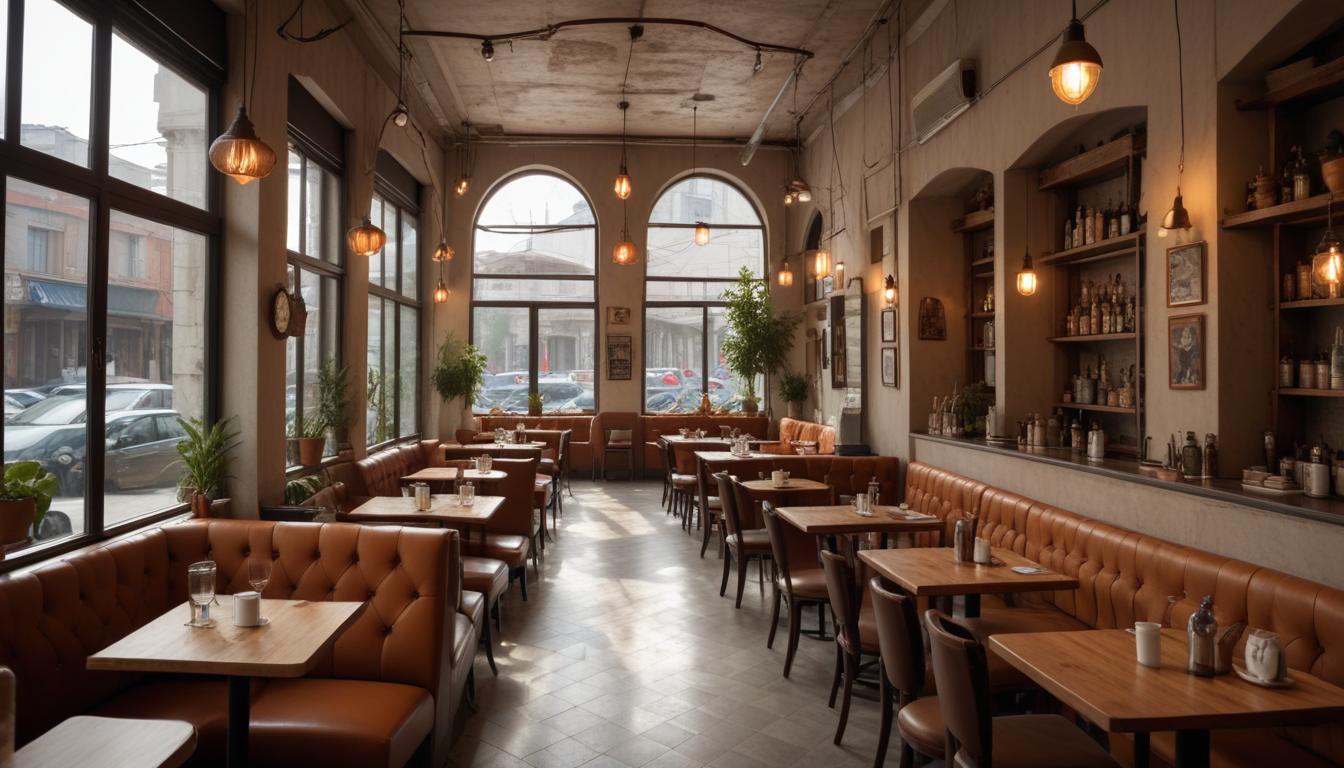
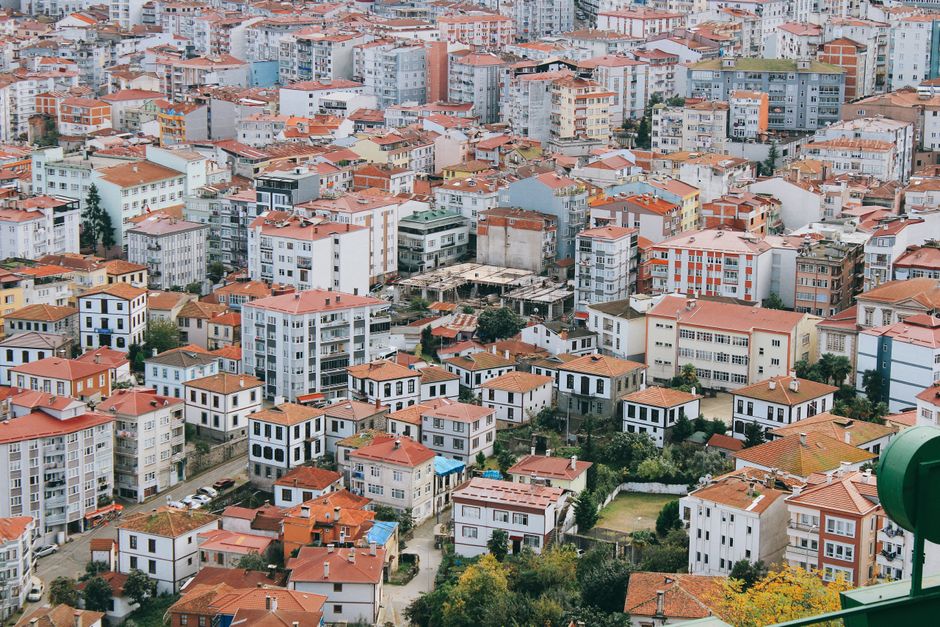
Walk down Kadıköy's Söğütlü Çeşme Street any weekday morning, and you'll witness a transformation that would have seemed unlikely just three years ago. Coffee shops overflow with laptop-wielding professionals, their conversations drifting between Turkish and English. WiFi passwords are as essential as espresso shots. What was once primarily a neighbourhood for Istanbul's creative class—artists, musicians, intellectuals—has evolved into something more complicated: a thriving hub for digital nomads and remote workers reshaping the district's identity and economy.
The numbers tell part of the story. According to recent surveys by Istanbul's chamber of commerce, the number of co-working spaces on the Anatolian side has tripled since 2023, with Kadıköy accounting for more than forty per cent of those facilities. Rents for commercial spaces along the main thoroughfare have risen 28 per cent year-on-year. Meanwhile, the neighbourhood's population of foreign residents has grown steadily, particularly among younger professionals seeking alternatives to the more expensive, saturated expat neighbourhoods of Beyoğlu.
The cultural shift is visible in the business landscape. Established venues like Çiçek Pasajı remain bastions of traditional neighbourhood life, but new ventures cater explicitly to remote workers: boutique hotels offering monthly rates, high-speed fibre providers, and cafés with dedicated workspace seating. Mısır Çarşısı, the historic spice bazaar, has even added a modern extension with phone booths for video calls. It's an unlikely marriage of old Istanbul and new digital capitalism.
For incoming expats, Kadıköy offers genuine advantages. Monthly rent for a one-bedroom apartment ranges from $600 to $1,200 depending on proximity to the waterfront, significantly less than Beyoğlu's premium. The ferry commute to central Istanbul is scenic and predictable. Neighbourhoods like Moda and Caferağa retain authentic character alongside improved infrastructure. The neighbourhood's strong community of established expats means practical support networks: everything from visa advice to plumber recommendations circulates through informal channels and emerging digital platforms.
Yet long-term residents express concern about gentrification's creeping pace. Small independent shops are closing as landlords raise rents, replaced by chain cafés and wellness studios targeting affluent newcomers. Turkish locals worry about cultural dilution, particularly as English becomes increasingly necessary for commerce. Some community organisations are developing language exchange programmes and cultural initiatives attempting to preserve neighbourhood identity while accommodating change.
The evolution reflects broader shifts in how cities function in 2026. Kadıköy isn't rejecting its past so much as complicating it. For newcomers, understanding this tension—between opportunity and disruption—matters as much as finding reliable internet.
This article was compiled by AI from the sources linked above and screened before publishing. See our editorial standards.