For years, getting across Istanbul meant navigating a Byzantine puzzle of minibuses, gridlocked traffic, and ferry delays that tested even the most patient resident's resolve. But something has shifted. The expansion of the M7 metro line to Başakşehir, completed earlier this year, has fundamentally altered how thousands of commuters move through the western districts, cutting journey times from central Fatih to the outer business parks by nearly 40 minutes.
"The change is tangible," says the sentiment echoing through WhatsApp groups and neighborhood forums across the city. Where residents once budgeted 90 minutes for a commute from Başakşehir to Taksim, the new direct metro connection now delivers them in under 45 minutes—a liberation that has rippled through local cafes and shopping districts as people reclaim what were previously lost hours.
The renovated Kadıköy ferry terminal, which reopened in March after an 18-month overhaul, has similarly transformed the daily experience for those traveling between the Asian and European sides. Modern ticketing systems, climate-controlled waiting areas, and increased boat frequency mean that the romantic commute across the Golden Horn is no longer a gamble with uncertainty. Ferries now run every 12 minutes during peak hours, compared to the erratic 20-30 minute intervals of the past.
Perhaps most notably, the integration of real-time transport apps with Istanbul's unified payment system has made journey planning intuitive rather than intuitive guesswork. The Istanbulkart system, already ubiquitous, now seamlessly tracks metro, bus, tram, and ferry journeys—a seemingly mundane improvement that has reduced transfer confusion and allowed commuters to optimize their routes with precision previously reserved for taxi drivers with decades of experience.
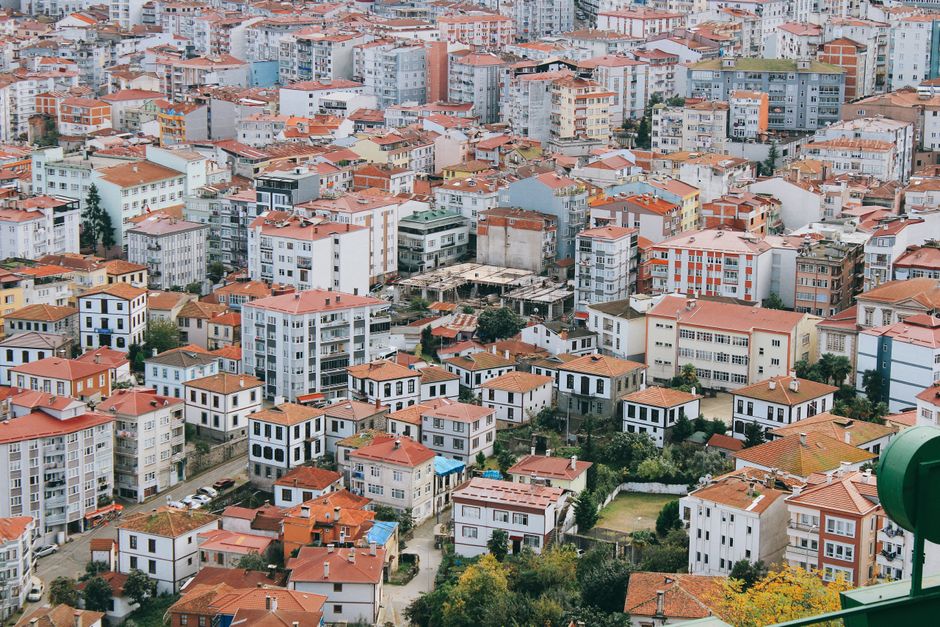
Rent in neighborhoods like Levent and Şişli, traditionally premium due to proximity to employment hubs, has stabilized as improved metro access has made outer neighborhoods like Bahçelievler and Güneşli suddenly viable. Young professionals are discovering they can live more affordably while maintaining reasonable commute times—a rebalancing act that signals genuine urban improvement rather than mere hype.
The city's bus rapid transit corridor on the Fatih-Eminönü route has also been recalibrated, with dedicated lanes reducing bus journey times by a third during morning rush hour. For the estimated 3.5 million daily commuters who depend on public transport, these incremental improvements compound into something more significant: a city that is finally becoming less about enduring the commute and more about living within it.
This article was compiled by AI from the sources linked above and screened before publishing. See our editorial standards.