Why Istanbul's Parenting Culture Defies the Global Playbook
In a city bridging two continents, families are rewriting the rules of childhood—blending Ottoman tradition with modern ambition in ways you won't find in London, New York, or Singapore.
In a city bridging two continents, families are rewriting the rules of childhood—blending Ottoman tradition with modern ambition in ways you won't find in London, New York, or Singapore.
Walk through Cihangir on a Saturday morning and you'll spot something increasingly rare in world capitals: multi-generational family units navigating narrow streets together. Grandmothers haggling at vegetable stalls on Boğaziçi Avenue while children weave between adults. This isn't nostalgia—it's the operational reality of parenting in Istanbul, and it fundamentally shapes how childhood unfolds here.
Unlike the nuclear-family-centric models dominating Western parenting discourse, Istanbul's approach remains stubbornly collective. Survey data from Istanbul's education ministry shows 67% of schoolchildren live in households with at least one grandparent present, compared to 25% in London and 18% in New York. This isn't a demographic quirk; it's reshaping everything from school schedules to homework expectations. When Fatih Sultan Mehmet schools release students at 3:45 p.m., grandparents—not nannies or after-school programs—remain the primary childcare solution across socioeconomic lines.
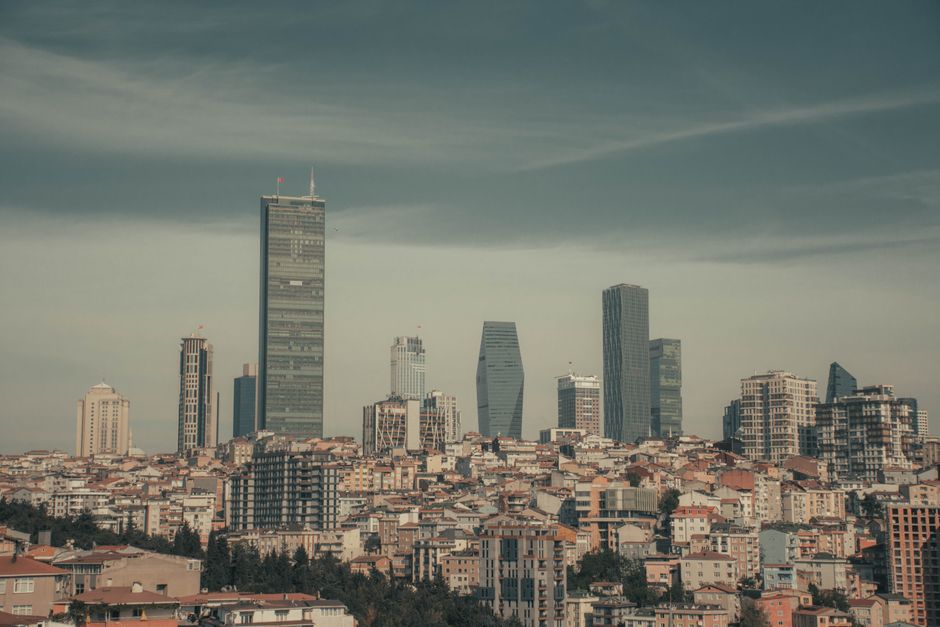
The city's geography amplifies this distinction. In Beşiktaş or Şişli, where international schools charge upward of €15,000 annually, affluent families maintain the cosmopolitan parenting style seen in Dubai or Hong Kong. Yet even here, the school calendar aligns with Turkish national holidays, forcing families into summer breaks that last 14 weeks—longer than most Western counterparts. This extended disruption has spawned a unique summer culture: neighborhood kreş (informal summer camps) where children learn Turkish traditional crafts alongside coding, reflecting Istanbul's identity crisis in the best way.
Public schooling reinforces collectivity in other ways. The rote-learning model still dominates Turkish curriculum, meaning Istanbul parents remain heavily invested in dershane (private tutoring centers) dotting every district from Kadıköy to Bakırköy. Last year, families spent an estimated 850 million lira on supplementary tutoring—creating a hidden education infrastructure that doesn't exist in standardized Western systems.
Perhaps most distinctively, Istanbul parenting culture maintains strict gender expectations that would shock modern Stockholm or Sydney. While progressive pockets exist in Cihangir and around Boğaziçi University, traditional family hierarchies persist across much of the city. Sons still enjoy negotiating curfews their sisters never would.
None of this makes Istanbul's approach objectively superior—only irreducibly different. The city's parenting culture reflects its identity: caught between continents, bound by family obligation, navigating rapid urbanization while clinging to tradition. It's messy, contradictory, and absolutely particular to this place.
This article was compiled by AI from the sources linked above and screened before publishing. See our editorial standards.
How does this story make you feel?
Spread the word
About this article
Published by The Daily Istanbul
Daily brief
Free, in your inbox before 7am. Weekdays.
More in lifestyle