Beyoğlu's Bar Scene Is Quietly Reinventing Itself—And Locals Are Divided
As rents soar and tourists flood historic Istiklal Caddesi, independent venues are being pushed out, replaced by sleek lounges catering to a wealthier clientele.
As rents soar and tourists flood historic Istiklal Caddesi, independent venues are being pushed out, replaced by sleek lounges catering to a wealthier clientele.
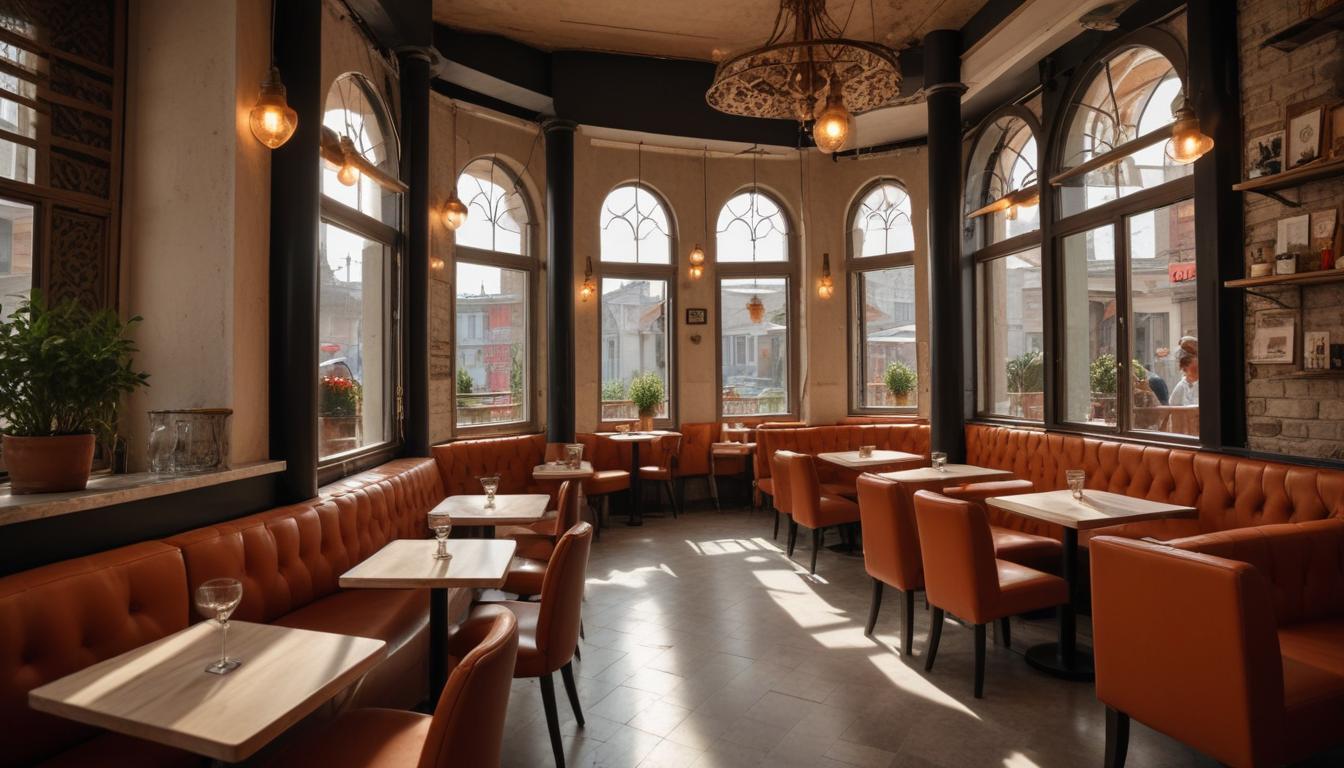
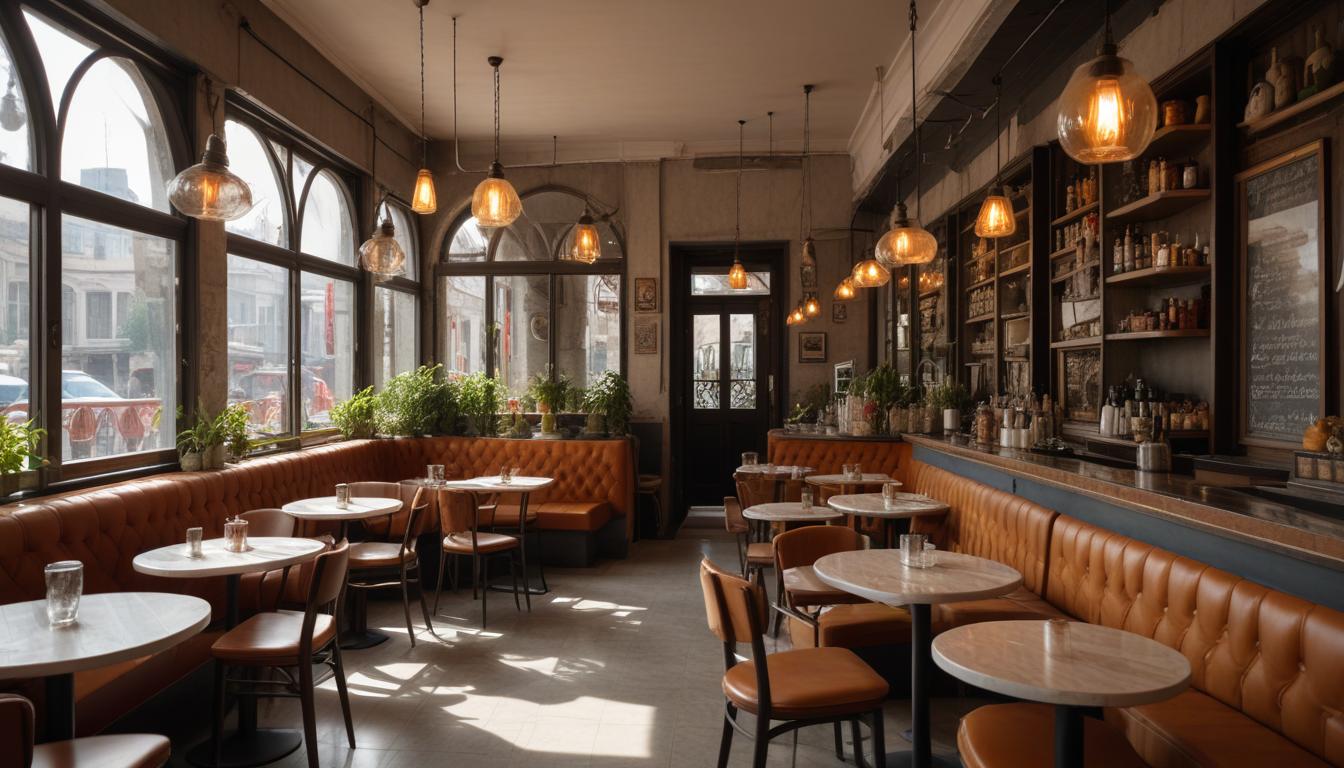
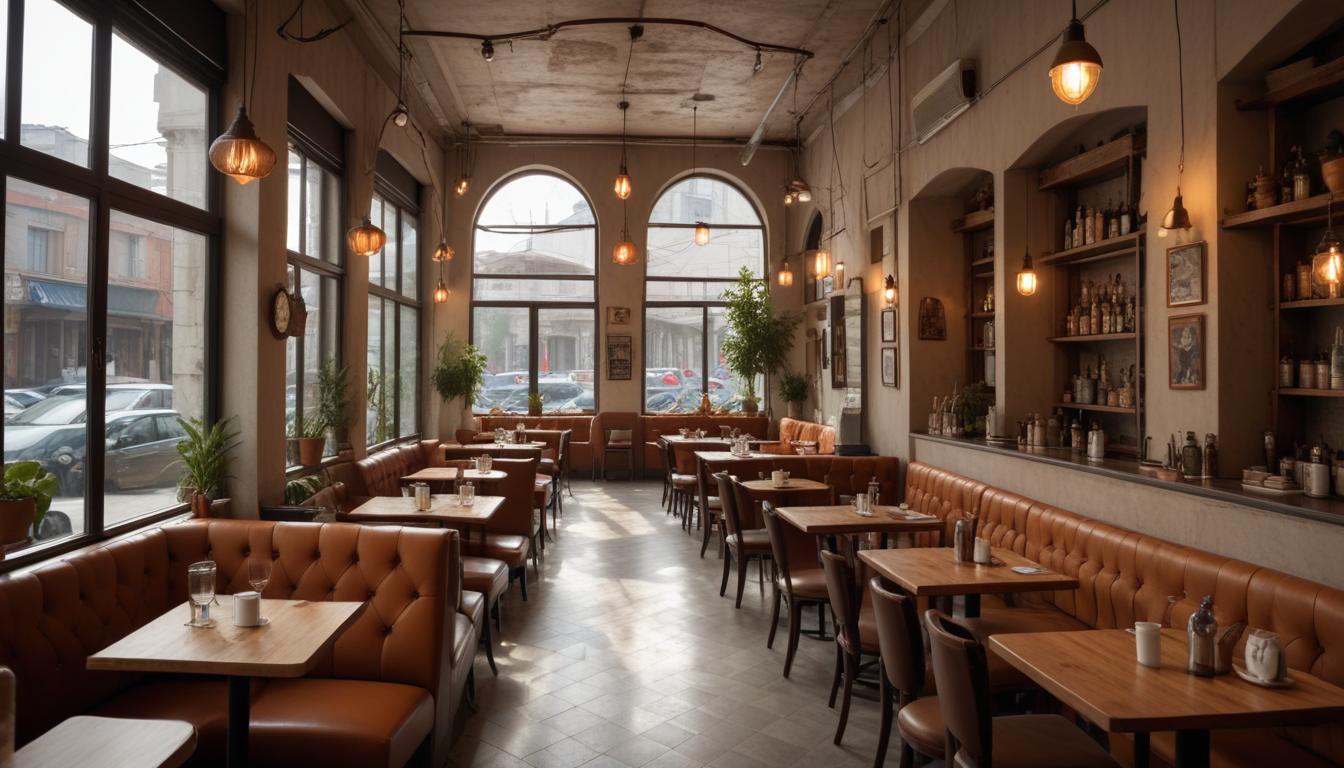
Walk down Istiklal Caddesi on a Friday night, and you'll notice something has shifted. The ramshackle meyhanes that once defined Beyoğlu's bohemian charm are vanishing. In their place: minimalist cocktail bars with €15 aperitifs, craft beer lounges with Scandinavian interiors, and hotel-affiliated venues with dress codes that would have seemed laughable five years ago.
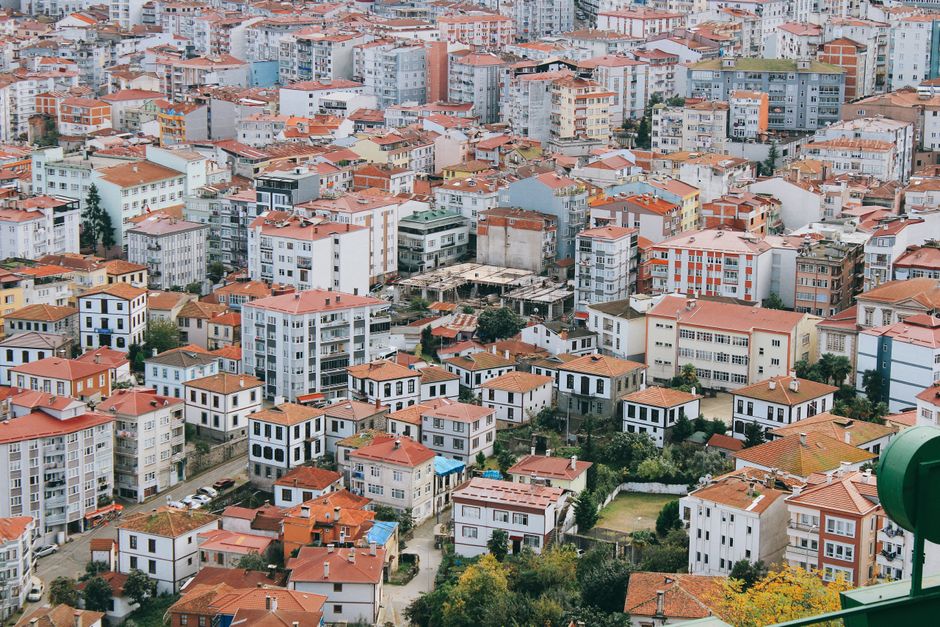
The transformation of Istanbul's most storied nightlife district tells a larger story about how the city itself is changing. Property values in Beyoğlu have increased by roughly 35 percent over the past three years, according to local real estate data. For independent bar owners operating on thin margins, the pressure is relentless. Several longtime establishments along Asmalımescit—the narrow, winding street that became synonymous with authentic Istanbul nightlife—have closed or been absorbed by larger hospitality groups.
Yet this isn't simply gentrification wearing its familiar face. The shift reflects changing demographics among Istanbul's social scene. A growing segment of young professionals, many working in tech and finance hubs scattered across the city, prefer venues that offer curated experiences over spontaneous encounter. Craft cocktail bars in converted warehouses around Tophane and Karakoy are booming. Rooftop lounges in Cihangir command queues on weekend nights. Wine bars focused on Turkish and Georgian varietals have become status markers for a certain Istanbul set.
The older generation—artists, writers, musicians who built Beyoğlu's reputation—express ambivalence bordering on loss. Some have migrated to emerging alternatives: Balat's newly energized bar strip, or further afield to Kadıköy, where the Anatolian side has cultivated its own bohemian identity, complete with lower rents and fewer tourists snapping photographs for social media.
Not all venues are disappearing quietly. Several long-established bars on Nevizade Sokak have reinvented themselves without abandoning their soul—upgrading lighting and sound systems while maintaining the communal spirit that made them gathering places. Others have become hyperlocal institutions, thriving precisely because they remain inaccessible to mainstream attention.
The question facing Beyoğlu now is whether it can accommodate both old and new. Can a neighbourhood evolve without erasing what made it worth evolving into? For now, the answer seems to be that Beyoğlu is splintering—fragments of its past coexisting uneasily with its gleaming future. The bars are changing. So, inevitably, is the Istanbul that gathers in them.
This article was compiled by AI from the sources linked above and screened before publishing. See our editorial standards.
How does this story make you feel?
Spread the word
About this article
Published by The Daily Istanbul
Daily brief
Free, in your inbox before 7am. Weekdays.
More in lifestyle