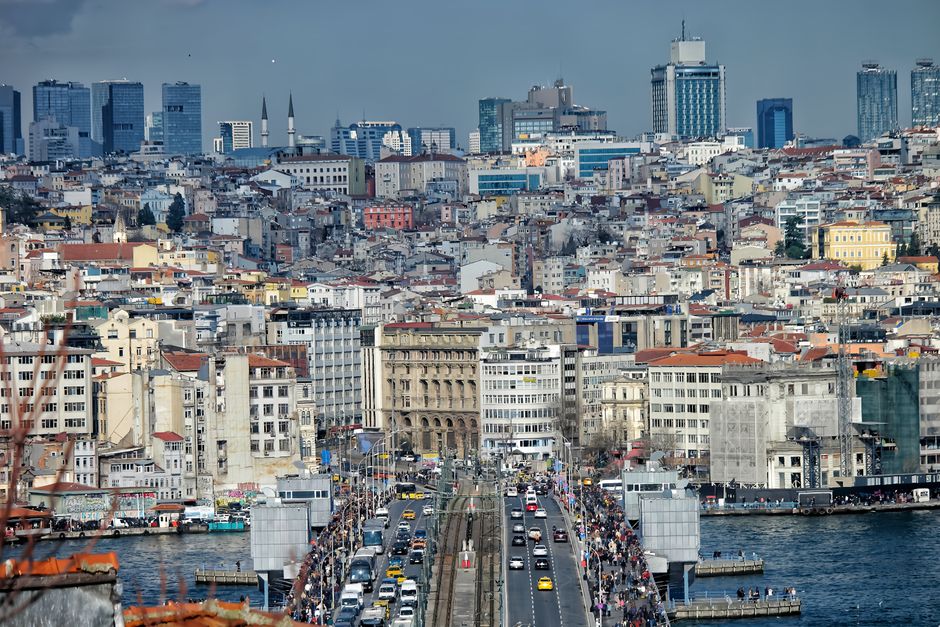
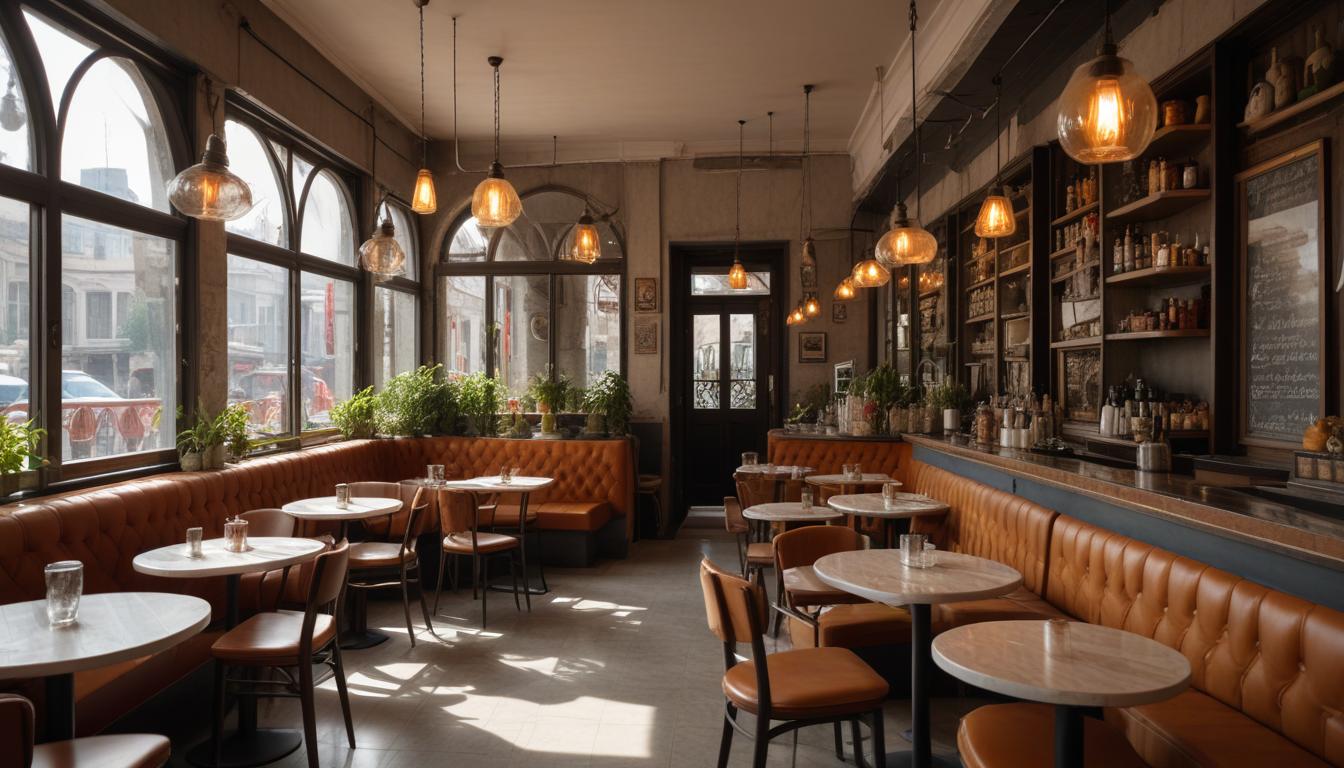
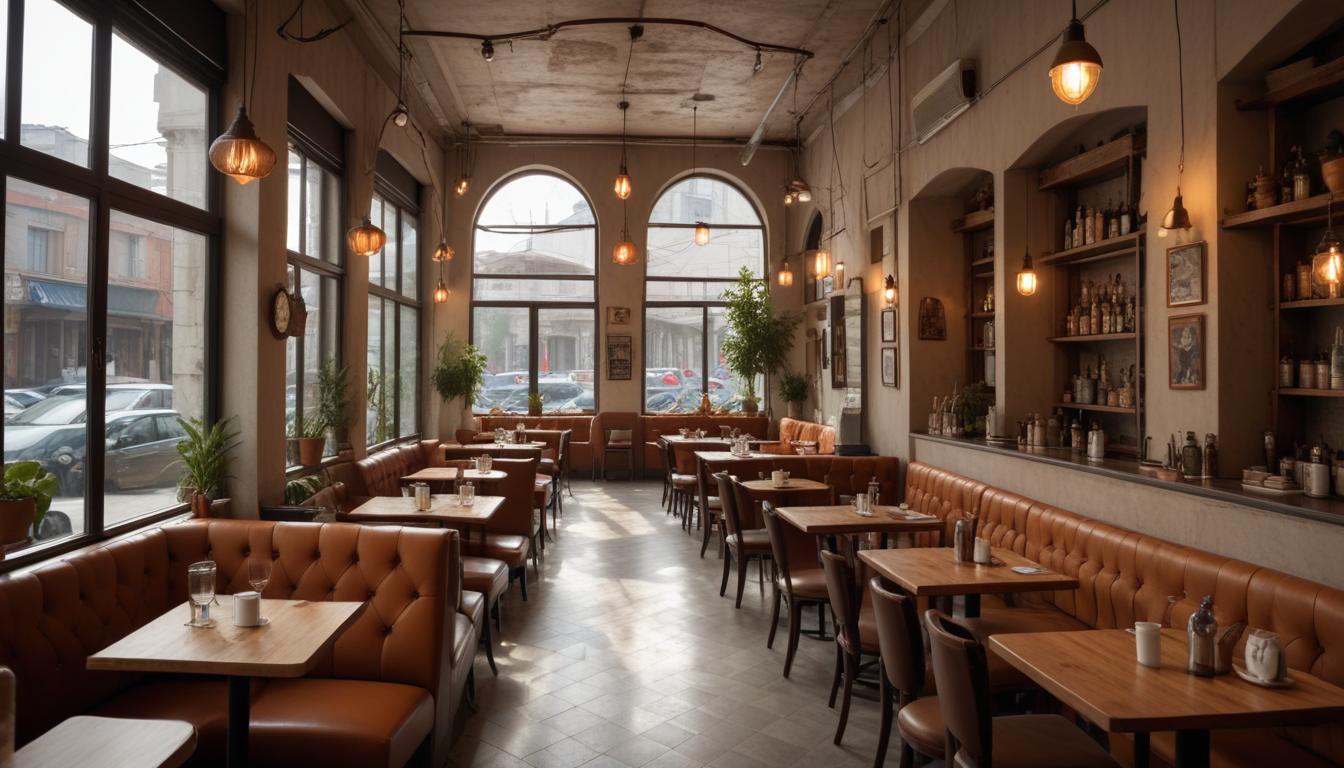
On a Thursday morning in Cihangir, Ayşe Kaya sits in a sun-dappled café on Sahne Sokak, her laptop open while her six-year-old colours at the adjacent table. She's one of thousands of parents navigating Istanbul's peculiar challenge: raising children in a city that never sleeps, where tradition and modernity collide daily, and where schooling options range from Ottoman-influenced Quran schools to curricula taught entirely in English or French.
"Istanbul parents have become curators of their children's lives," says Canan Özdemir, founder of the Balat Learning Collective, a grassroots education initiative that's grown to serve over 150 families across the European side. "We're not just choosing between private and public anymore. We're asking deeper questions about what values matter."
The numbers reflect this shift. According to Istanbul's 2025 education statistics, enrolment in international schools has increased by 23 percent over the past three years, while homeschooling and hybrid learning arrangements now account for roughly 8 percent of school-age children—up from 2 percent a decade ago. Yet traditional state schools remain the backbone, serving approximately 1.2 million Istanbul students.
In Bebek, where school fees can reach $30,000 annually, parents describe a different universe entirely. But venture into Balat or Fatih, where families have established cooperative learning spaces in converted Ottoman mansions, and you'll find parents pooling resources to hire tutors, sharing childcare, and creating micro-schools that blend Turkish educational standards with Montessori methods.
The common thread uniting these vastly different approaches isn't wealth or geography—it's intention. Parents across Istanbul are rejecting one-size-fits-all solutions. They're meeting in parks along the Golden Horn, trading advice on which schools foster multilingualism without abandoning Turkish identity. They're launching WhatsApp groups that evolve into neighbourhood childcare networks. They're asking whether their children should commute 90 minutes to reach a prestigious institution or thrive in a smaller, community-rooted setting.
Mehmet Demir, a father of three who splits his family's time between Acibadem and Kadköy, captures the essence: "This city teaches you that there's no single right answer. My kids are learning five languages at school, but they're also learning Istanbul itself—how to navigate complexity, how to belong to multiple worlds simultaneously."
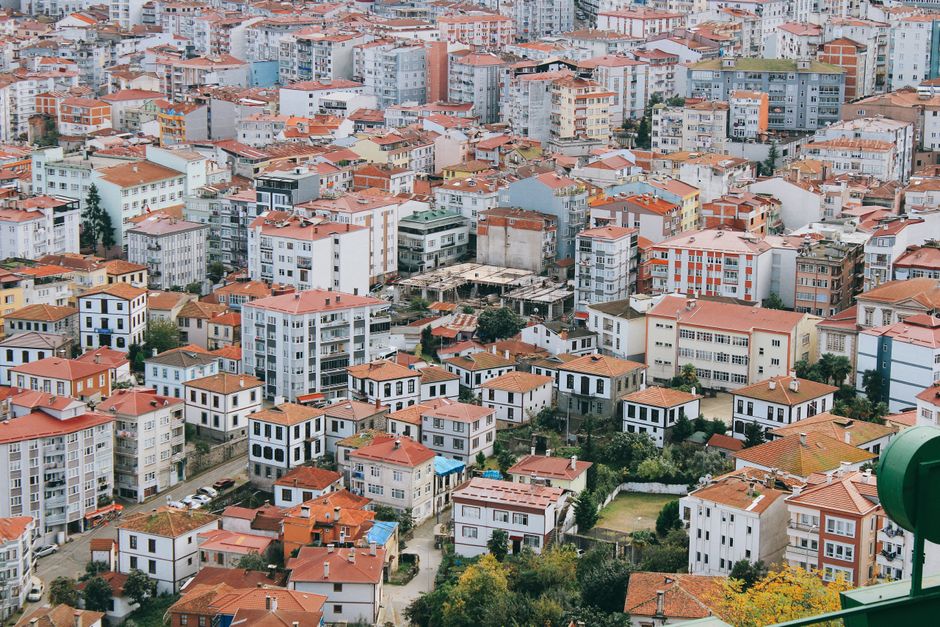
That's the real lesson Istanbul parents are absorbing: in a city where East meets West, where 15 million people somehow coexist across continents, family life becomes an exercise in creative adaptation. The faces making this work aren't famous—they're the parents you'll find tomorrow, solving problems uniquely suited to this irreplaceable place.
This article was compiled by AI from the sources linked above and screened before publishing. See our editorial standards.