How Istanbul's Waterfront Parks Are Becoming Year-Round Social Hubs
From Balat's revamped green spaces to Beşiktaş's expanding promenades, outdoor living in the city is shifting from seasonal pastime to permanent lifestyle priority.
From Balat's revamped green spaces to Beşiktaş's expanding promenades, outdoor living in the city is shifting from seasonal pastime to permanent lifestyle priority.
Five years ago, Istanbul's parks emptied predictably each October. Summer crowds would vanish, benches sat vacant through winter, and outdoor dining felt like a luxury confined to June through August. Today, that's changed dramatically. The city's approach to green spaces—particularly along the Golden Horn and Bosphorus—reveals a fundamental shift in how Istanbulites are reimagining everyday life beyond their homes.
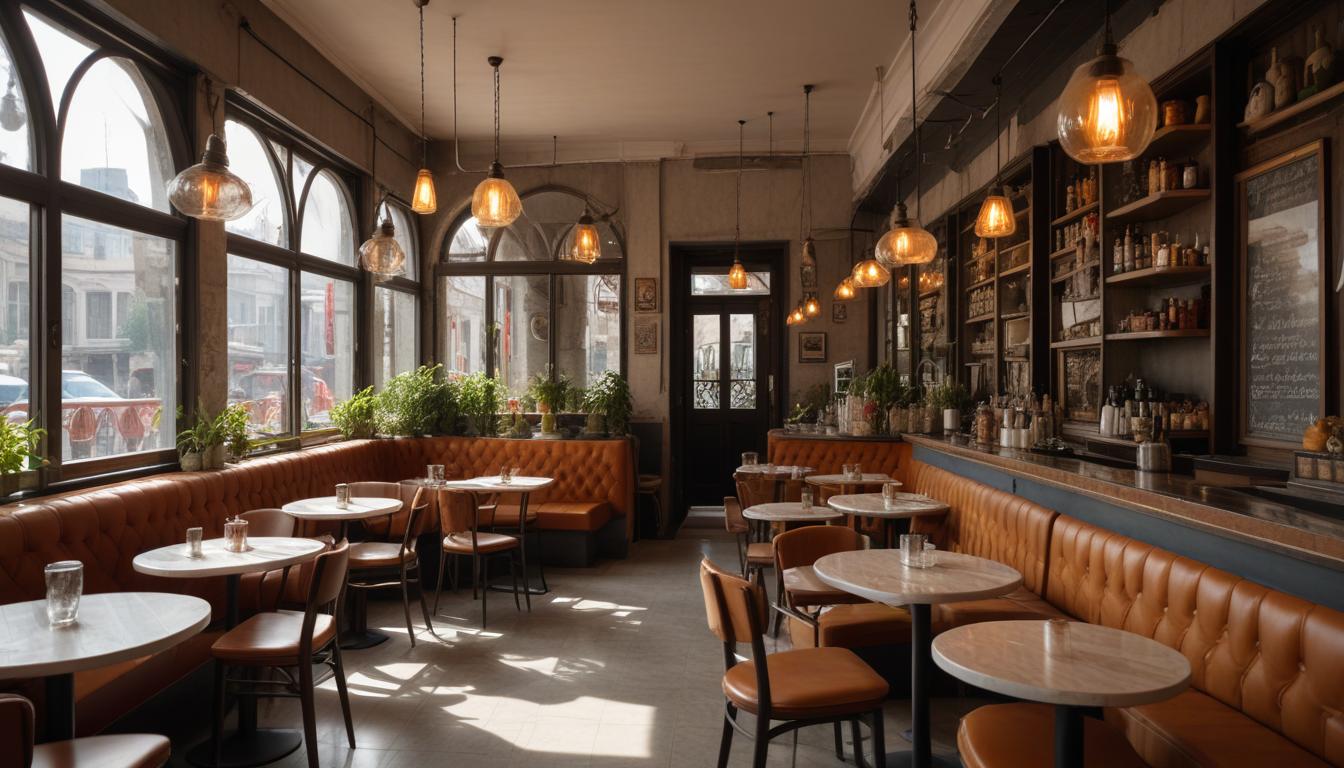
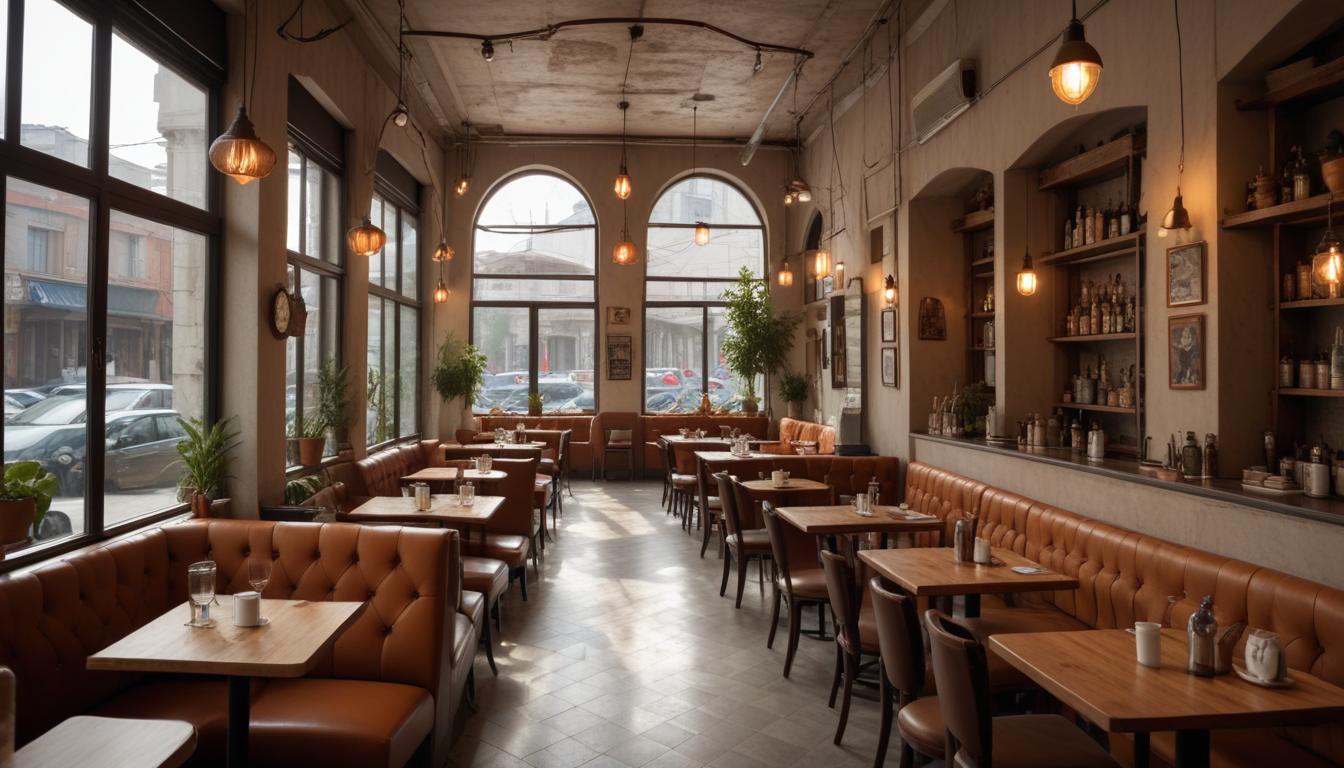
The transformation is most visible in Balat, where the recently completed revitalisation of the waterfront promenade has created something the neighbourhood hadn't seen in decades: a genuinely year-round gathering space. The restored pathway, stretching from Fener to Eyüp, now features heated outdoor seating areas, improved lighting, and better pedestrian infrastructure. Local cafés have extended their seasons accordingly, with heated lamp clusters replacing the summer-only furniture that once defined the strip. Daily foot traffic has increased by roughly 40 percent since the project's completion in 2024, according to local business association data.
In Beşiktaş, similar momentum is reshaping Ortaköy's relationship with its seaside location. The ongoing waterfront development project—scheduled for completion in 2027—is introducing winter-friendly infrastructure: covered pavilions with year-round programming, upgraded public restrooms, and improved accessibility that's drawing older residents and families who previously avoided the area during colder months.
What's driving this evolution? Partly investment: Istanbul's municipal government has allocated 850 million lira specifically to green space development over the past three years. But equally important is a cultural shift among residents. The pandemic accelerated outdoor living preferences globally, and Istanbul—with its unique geography and existing waterfront assets—has leaned into that change more deliberately than most cities its size.
Pricing tells the story. A decade ago, outdoor seating in Balat cost establishments roughly 3,000 lira monthly. Today, businesses pay 8,000-12,000 lira, yet demand remains strong enough to justify the investment. Beşiktaş venues report similar expansion; one establishment near Ortaköy increased outdoor capacity by 60 percent over two years.
Not everyone celebrates the transformation uniformly. Long-term residents in Balat note that gentrification has followed renovation—rent increases have accelerated, and some traditional establishments have been replaced by chain cafés catering to wealthier visitors. But the underlying pattern is undeniable: Istanbul is treating its outdoor spaces as essential infrastructure rather than seasonal amenities.
The next phase of this evolution will likely extend beyond waterfront areas. Kasımpaşa and Eyüp's neighbourhood parks are scheduled for similar upgrades through 2028, suggesting this isn't a localized trend but a city-wide reorientation toward outdoor living as a permanent feature of urban life.
This article was compiled by AI from the sources linked above and screened before publishing. See our editorial standards.
How does this story make you feel?
Spread the word
About this article
Published by The Daily Istanbul
Daily brief
Free, in your inbox before 7am. Weekdays.
More in lifestyle