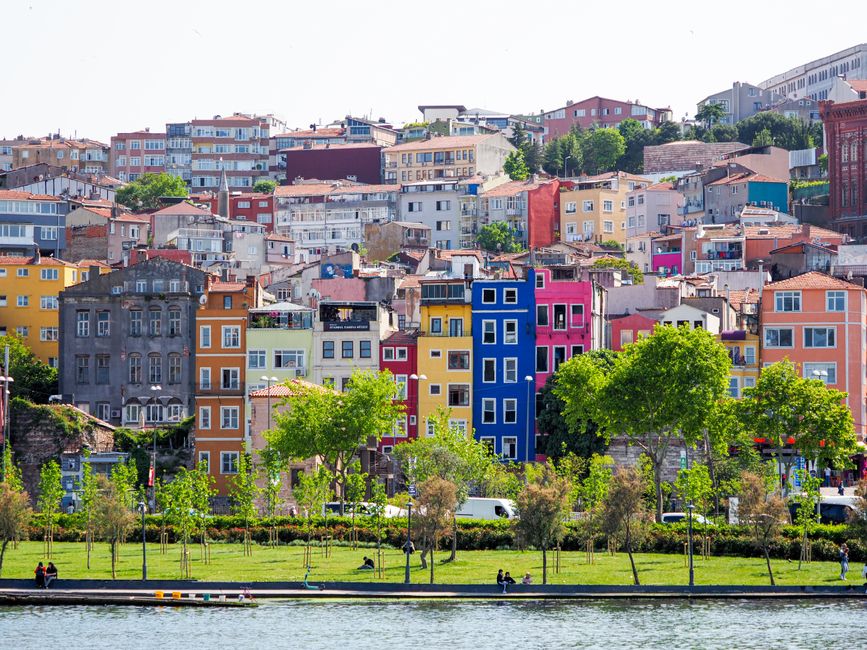
Five years ago, Balat was the neighbourhood tourists came to photograph: colourful Ottoman facades, narrow alleyways, and golden-hour light bouncing off Cibali Camii. Today, the Golden Horn-facing district is experiencing a more nuanced transformation, one that extends far beyond the Instagram aesthetic that initially drew weekenders from across the European side.
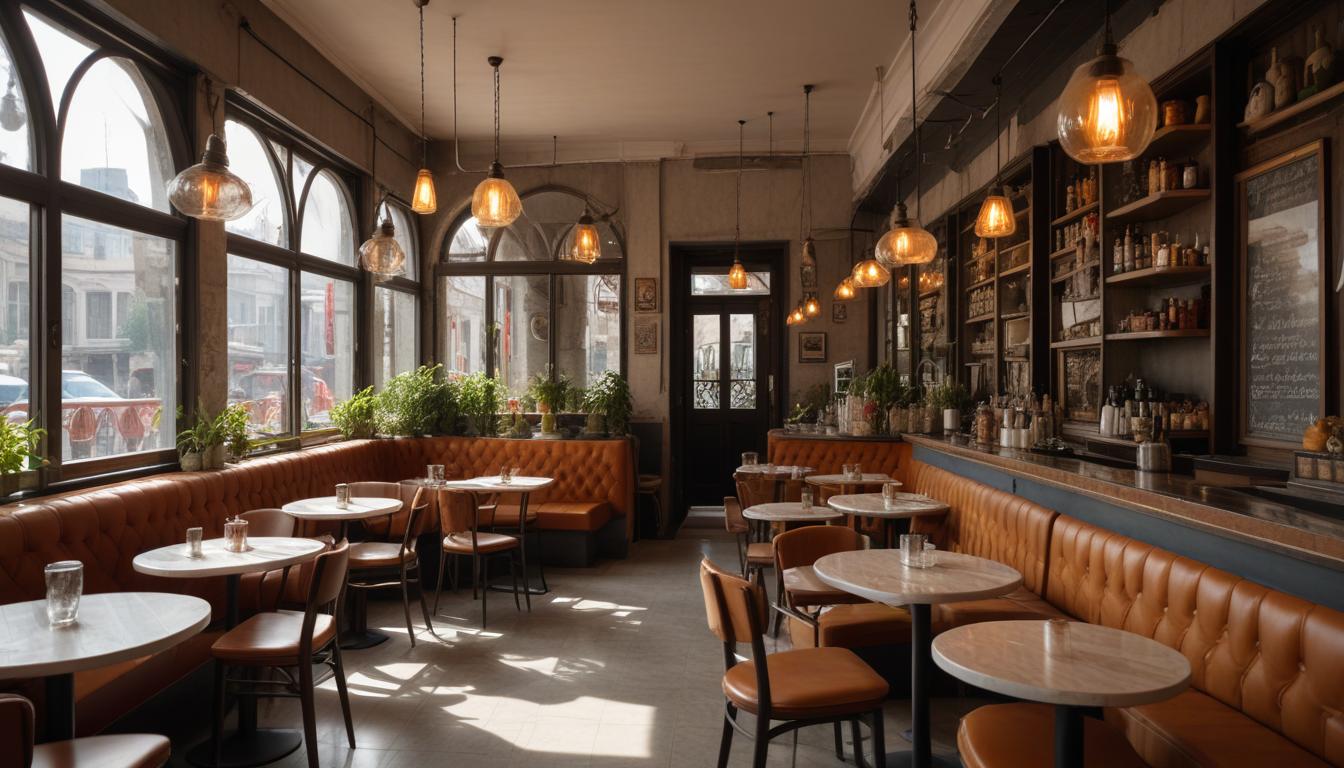
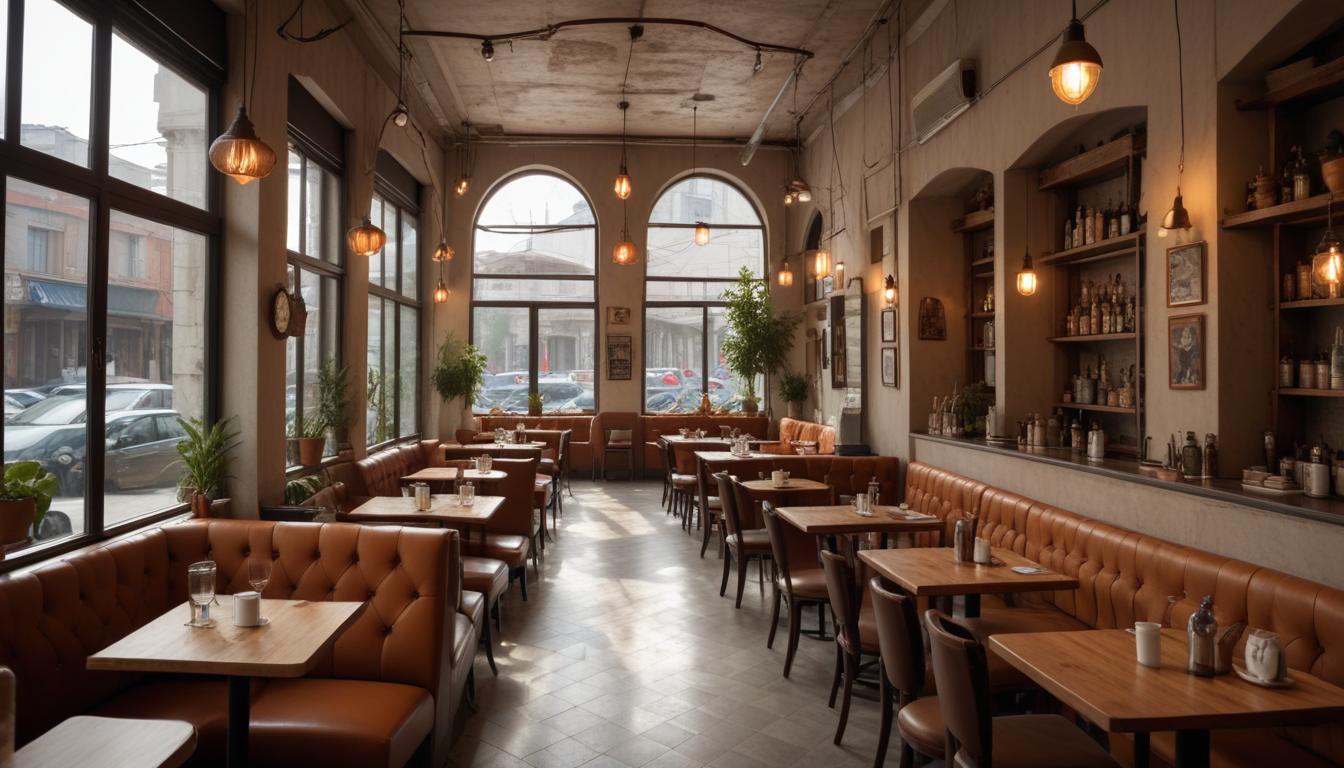
The shift is most visible along Balat Caddesi and the side streets threading toward Fener. Where souvenir shops once dominated, independent operators are establishing roots. A cooperative of young Turkish designers opened a shared studio space on Vodina Sokak last autumn, offering weekend workshops in natural dyeing and textile restoration. Entry is 180 lira, and weekend slots fill weeks in advance. Meanwhile, Balat Kitap—an independent bookshop specialising in Turkish literature and architecture—has expanded from a single room to occupy an entire restored townhouse, complete with a courtyard café serving local roasters.
Local community organisations are channelling weekend foot traffic toward civic engagement. The Balat Neighbourhood Association now coordinates monthly restoration tours focusing on architectural heritage rather than photogenic moments. Participation has grown from around 40 people monthly in 2024 to nearly 200 this year, suggesting residents and visitors alike crave deeper connection.
The dining landscape reflects this evolution too. Rather than quick-turnover tourist restaurants, weekend visitors increasingly encounter serious food enterprises: a zero-waste grocer on Ayvansarayi Sokak that hosts weekend cooking classes (95 lira per session), and several meyhanes run by families with roots in the neighbourhood for generations, not recent transplants capitalising on trends.
What's perhaps most telling is the weekend demographic shift. While international visitors remain, local Istanbulites—particularly young professionals from Şişli and Beşiktaş—are treating Balat as a genuine weekend destination rather than a three-hour photo stop. Saturday mornings now feature residents browsing the revitalised farmers' market near the waterfront, where vendor numbers have doubled since 2023.
This evolution doesn't erase Balat's tourism appeal—the neighbourhood still attracts roughly 15,000 weekend visitors—but it's recalibrating the balance. Gentrification concerns persist, certainly; rent increases have displaced some long-term residents. Yet the emergence of community-led initiatives, cooperative businesses, and locally-rooted enterprises suggests Balat is charting a middle path: remaining visually stunning while developing genuine cultural depth that rewards leisurely exploration rather than quick consumption.
This article was compiled by AI from the sources linked above and screened before publishing. See our editorial standards.