Istanbul's Markets on Every Budget: What You'll Actually Spend Before You Go
From the Grand Bazaar to neighbourhood gems, here's the insider guide to navigating Istanbul's shopping scene without breaking the bank.
From the Grand Bazaar to neighbourhood gems, here's the insider guide to navigating Istanbul's shopping scene without breaking the bank.
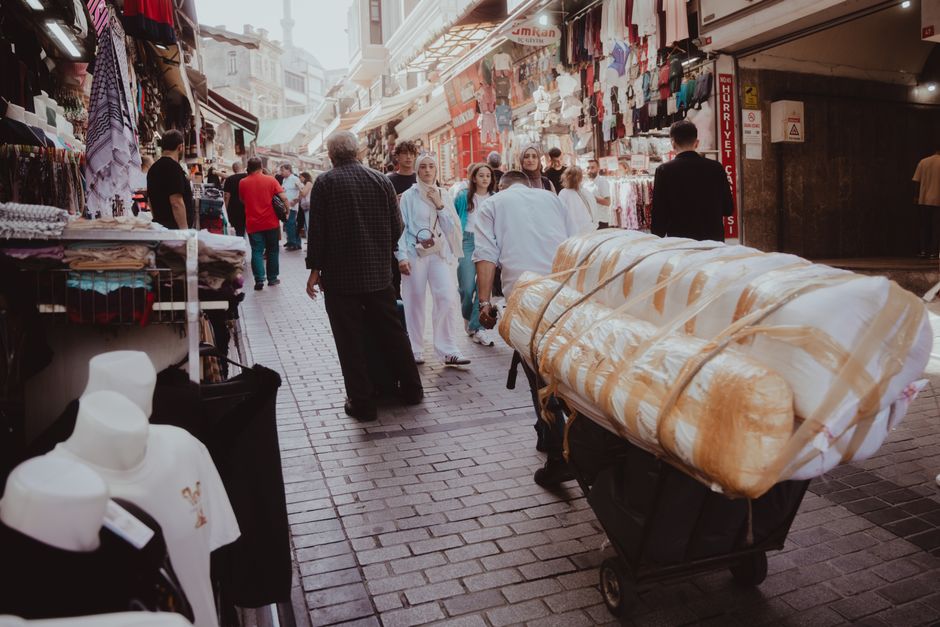
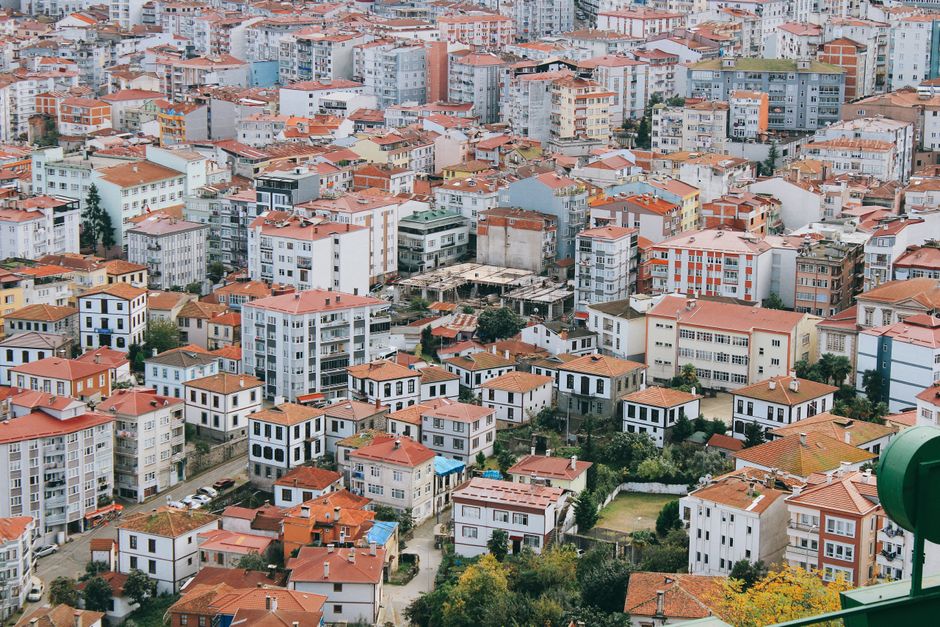
Istanbul's markets have long drawn visitors and locals alike, yet few arrive knowing what to realistically expect from their wallet. Whether you're heading to the legendary Grand Bazaar in Fatih or exploring emerging retail neighbourhoods, understanding pricing, transport costs, and seasonal variations transforms your shopping experience from stressful to strategic.
The Grand Bazaar itself remains free to enter, but budgeting matters here. A basic carpet can run anywhere from 200 to 2,000 Turkish Lira depending on quality and provenance, while ceramic plates typically range 50–150 TL. Expect 15–20% markup on tourist-facing stalls compared to side corridors where locals browse. The Spice Bazaar (Mısır Çarşısı) in Eminönü operates similarly—saffron costs roughly 800 TL per gram, while Turkish delight starts at 10 TL per 100g from family-run vendors.
Transport logistics matter. A tram or metro ride costs 13.50 TL within the city. Most markets cluster in Sultanahmet, Eminönü, and Beyoğlu, making a single journey card (Istanbulkart) worthwhile if visiting multiple locations. Many tourists underestimate hidden costs: coffee at a bazaar café runs 40–60 TL, compared to 20 TL in surrounding neighbourhoods.
Beyond tourist zones, Cevahir Mall in Şişli and Forum Istanbul in Bayrampaşa offer fixed prices and air conditioning, though expect 30–50% premiums on Western brands. Local favourites like the Sunday antique market at Horhor Caddesi in Beyoğlu present genuine vintage finds—think 1970s Turkish ceramics for 80–300 TL—but require patience and negotiation comfort.
Seasonal timing reshapes your budget significantly. Summer crowds (June–August) inflate prices and foot traffic; spring (April–May) and autumn (September–October) offer better deals and negotiating room. Ramadan (mid-March to mid-April in 2026) sees extended hours but variable pricing as vendors cater to evening crowds.
For textiles, Fatih's street markets near the bazaar's periphery undercut central prices by 20–35%. Leather goods in Cankurtaran offer more negotiation space than established tourist outlets. Set a daily budget ceiling and carry cash—many family stalls remain cash-only, and you'll often secure better rates with Turkish Lira than cards.
Pro tip: arrive early (9–10am) for better selection and fresher energy for bargaining. Bring water, comfortable shoes, and realistic expectations. Istanbul's markets reward informed, unhurried visitors far more than those racing against time.
This article was compiled by AI from the sources linked above and screened before publishing. See our editorial standards.
How does this story make you feel?
Spread the word
About this article
Published by The Daily Istanbul
Daily brief
Free, in your inbox before 7am. Weekdays.
More in lifestyle