Getting Around Istanbul: Tips and Honest Recommendations From Locals Who Live It Daily
From navigating the Golden Horn ferries to surviving rush hour on the metro, here's what commuters across the city actually do to stay sane.
From navigating the Golden Horn ferries to surviving rush hour on the metro, here's what commuters across the city actually do to stay sane.
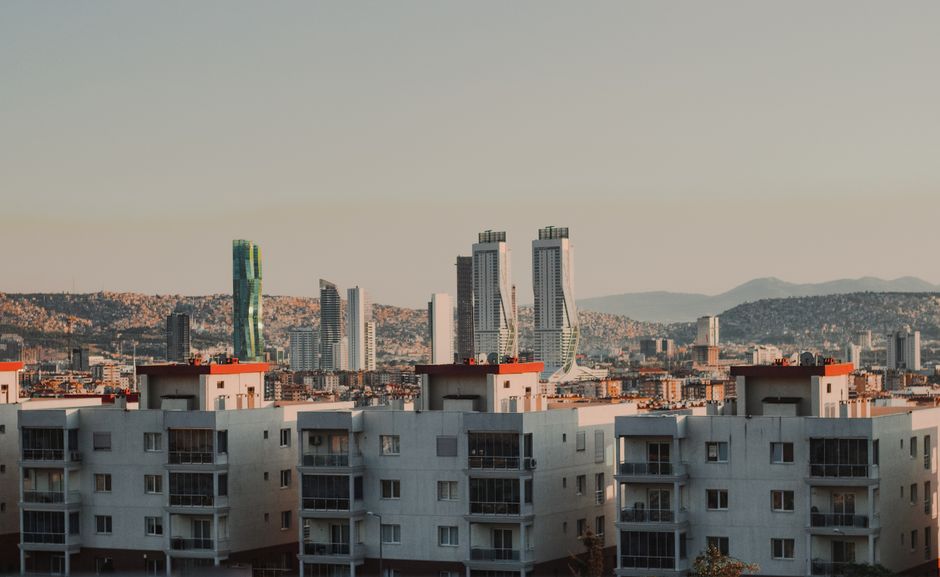
Istanbul's transport network moves millions daily, but ask any resident how they actually get from Beşiktaş to Kadıköy, and you'll hear a different story than the tourist guides suggest. After speaking with commuters across the city's neighbourhoods, a clear picture emerges: locals have adapted with pragmatism, humor, and hard-won knowledge.
The Metro Line 4, which opened in 2024, has genuinely changed lives for those heading southeast toward Pendik. "It's cut my commute from 90 minutes to 35," says a regular passenger who works in the financial district. Yet many still swear by the ferries. The Bosphorus ferries remain not just practical but preferable—especially the longer routes from Eminönü to Kadıköy, where for around 5 lira, commuters get breathing room and actual seats instead of the sardine experience of peak-hour buses on the E-5 highway.
Speaking of buses: the Metrobüs rapid transit system, launched in 2007, still frustrates and impresses in equal measure. The dedicated lanes work beautifully during off-peak hours. During rush hour—roughly 7:30-9:30 a.m. and 5:00-7:30 p.m.—experienced commuters board from the rear doors, avoid the front crush entirely, and know to tap their Akbil card before boarding rather than waiting in payment queues. A monthly pass costs around 430 lira and covers all metro, tram, and bus networks.
Taksim and Galata residents have learned that the historic tram down İstiklal Caddesi, while beloved by visitors, is unreliable during evening hours. Those heading home use the funicular from Tünel Station instead—it's faster, less crowded, and feels almost civilised by 6 p.m. standards.
The real secret weapon? Neighbourhoods matter. Beşiktaş residents accept that walking to Ortaköy is quicker than waiting for connections. Those living in Cihangir have embraced the steep hills as part of their daily routine. Üsküdar commuters who work on the European side increasingly use the Marmaray train link, despite its occasional technical hiccups—the 25-minute journey to Sirkeci beats the ferry queues on particularly chaotic days.
Ride-sharing apps (Uber and Bolt operate here) remain expensive for daily commuting—expect 80-150 lira for short journeys—but locals use them strategically during storms or when missing a connection means being late. Most rely instead on the layered system: metro for speed, ferries for sanity, buses for neighbourhood hops, and their own two feet for the final stretch. It's inefficient by design, but somehow, it works.
This article was compiled by AI from the sources linked above and screened before publishing. See our editorial standards.
How does this story make you feel?
Spread the word
About this article
Published by The Daily Istanbul
Daily brief
Free, in your inbox before 7am. Weekdays.
More in lifestyle