Beyoğlu's Rush Hour Revolution: How Istanbul's Most Chaotic Commute is Being Reimagined
New micro-mobility solutions and pedestrian zones are transforming how residents navigate one of Europe's most congested neighbourhoods.
New micro-mobility solutions and pedestrian zones are transforming how residents navigate one of Europe's most congested neighbourhoods.
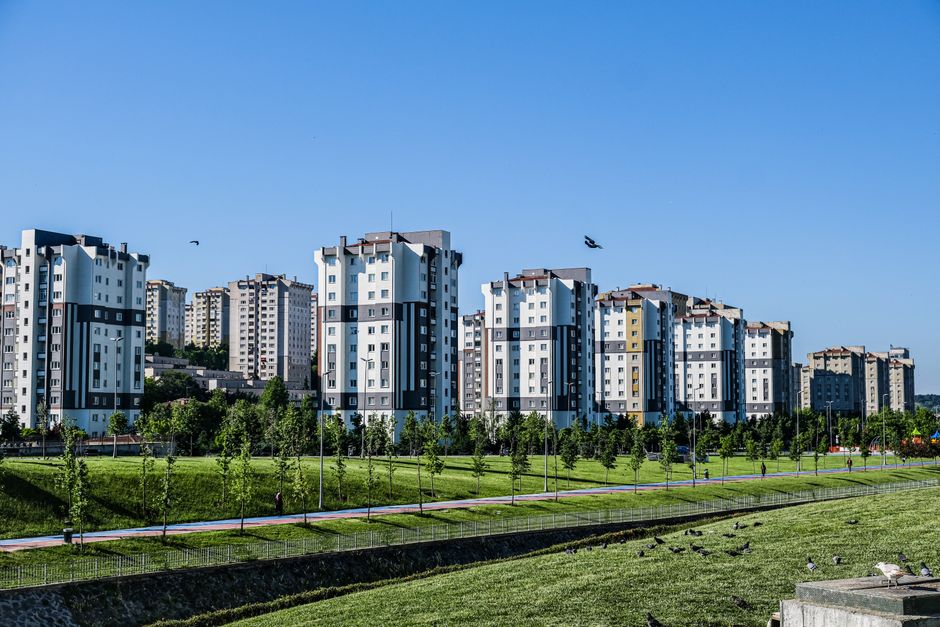
Five years ago, getting from Taksim to Galata meant battling gridlocked Istiklal Avenue or risking your life on overcrowded minibuses. Today, the neighbourhood's transport landscape is undergoing a quiet but significant transformation that reflects broader shifts in how Istanbul's residents—and visitors—move through the city.
The completion of the extended T1 tram line to Kabataş in 2024 was just the beginning. What's truly reshaping Beyoğlu's commute culture is the expansion of the pedestrian zone along İstiklal Avenue itself. Where delivery trucks once jockeyed for space, electric scooter hubs and bike-share stations now cluster every 200 metres. The Istanbul Metropolitan Municipality's micromobility programme has seen usage jump 340% since mid-2025, with Beyoğlu accounting for roughly a third of all journeys citywide.
"The neighbourhood was designed for foot traffic, not cars," explains the practical reality facing planners: Beyoğlu's narrow Ottoman-era streets simply cannot accommodate 21st-century vehicle volumes. Rather than fight this geography, the city has leaned into it.
Real estate agents report a measurable shift in rental patterns. Properties within 400 metres of the Taksim metro entrance now command a 12-15% premium compared to 2023 rates, reflecting tenant priorities. Young professionals working in Maslak or Levent increasingly choose Beyoğlu flats over suburban alternatives, trading space for connectivity—the 45-minute commute via metro and dolmuş beats the gridlocked drive from Sarıyer.
The gig economy has followed. Delivery couriers on electric bikes now outnumber car-based operations by a ratio of nearly 2:1 along the pedestrian zone. The shift has sparked debate: environmental groups applaud the emission reductions, while small business owners worry about congestion in alternative throughways like Asmalımescit and Çiçek Pasajı.
Transit times tell the story. During peak hours, travelling the 1.4 kilometres from Taksim to Galata now takes roughly 28 minutes by a combination of walking and tram—down from an average 47 minutes just three years ago when private cars dominated the route.
Whether this evolution proves sustainable depends on implementation. The municipality's ambitious plan to eliminate private vehicles from İstiklal entirely by 2028 faces resistance from delivery services and disabled access advocates. Still, for commuters like those heading to offices in Levent or students attending Boğaziçi University's downtown campus, Beyoğlu's transport revolution is already delivering tangible results: a neighbourhood that moves faster, breathes easier, and feels less like a parking lot than it did just months ago.
This article was compiled by AI from the sources linked above and screened before publishing. See our editorial standards.
How does this story make you feel?
Spread the word
About this article
Published by The Daily Istanbul
Daily brief
Free, in your inbox before 7am. Weekdays.
More in lifestyle