The Faces That Make Istanbul Home: Why Newcomers Stay for the People
Beyond the Bosphorus and Blue Mosque, it's the stories of expats, locals, and the communities bridging cultures that reveal what really makes this city magnetic.
Beyond the Bosphorus and Blue Mosque, it's the stories of expats, locals, and the communities bridging cultures that reveal what really makes this city magnetic.
Istanbul's expat population has grown by nearly 40% over the past five years, but most newcomers don't stay for the UNESCO monuments. They stay for the people they meet in a shared taxi across the Golden Horn, the Turkish language teacher who becomes a lifelong friend, or the local shopkeeper on Istiklal Caddesi who learns your coffee order by day three.
Walk into any coworking space in Karakoy or Galata—districts now synonymous with digital nomads—and you'll find German designers, Brazilian entrepreneurs, and Syrian architects building lives alongside Turkish professionals. The cost of living remains significantly lower than Western European capitals: a furnished one-bedroom apartment in Beyoglu averages around €600-800 monthly, making Istanbul feasible for creatives priced out of London or Berlin. But affordability alone doesn't explain the loyalty.
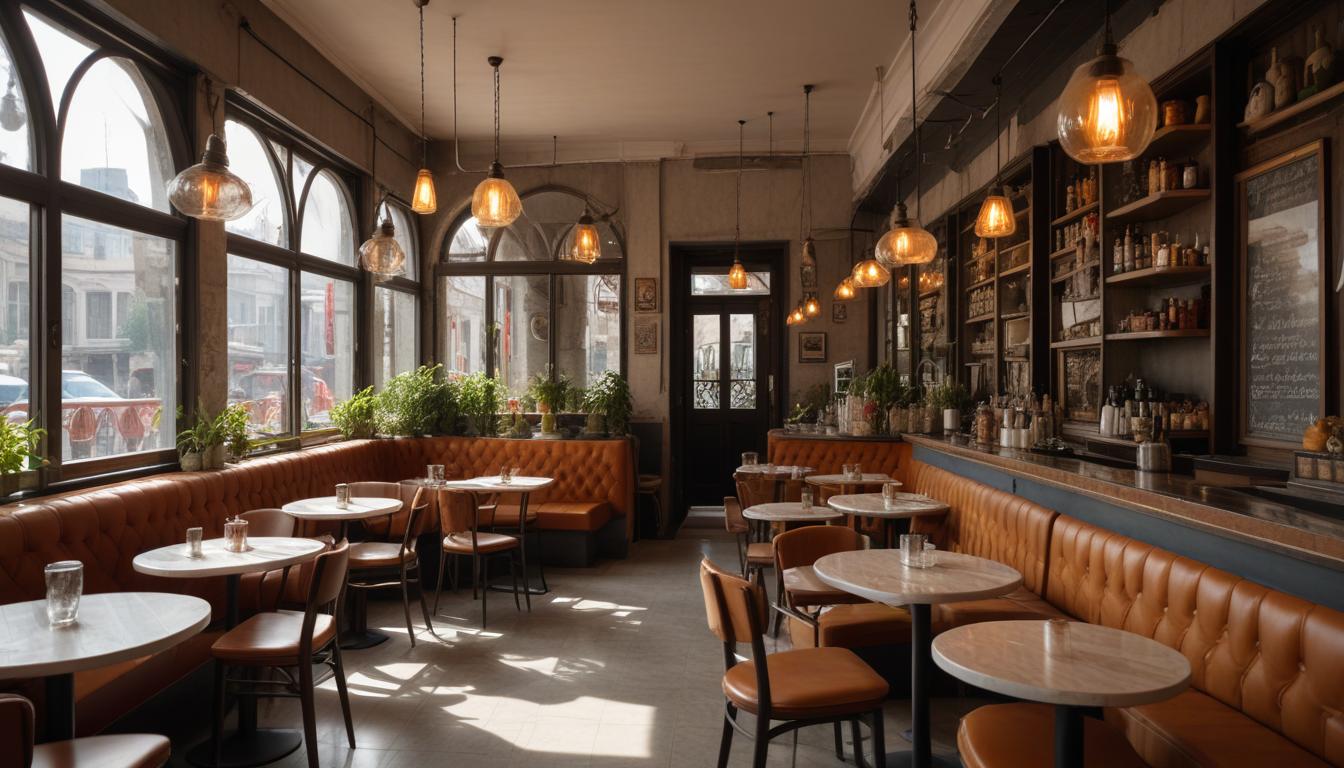
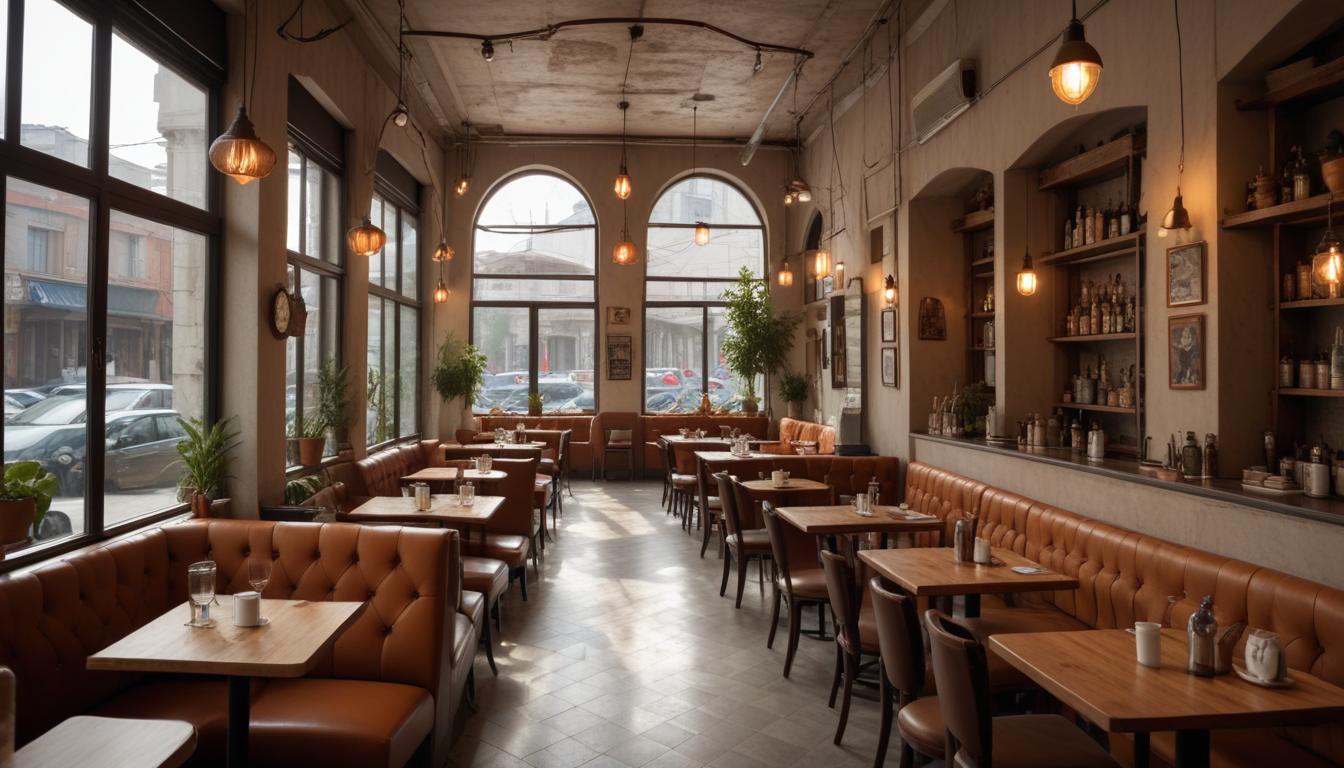
What does is the genuine warmth embedded in daily transactions. Community organisations like the Istanbul Expat Forum and neighbourhood associations in Cihangir and Ortakoy facilitate genuine connection rather than superficial networking. Weekend brunches at venues along Asmali Mescit Street have become rituals where Turkish locals and international residents exchange language lessons over menemen and coffee. The city's culture ministry estimates over 120,000 registered foreign residents, but countless more maintain informal networks that feel more like chosen family than expatriate ghettos.
The relocation logistics—securing residence permits, navigating the banking system, understanding transport cards for ferries and metro lines—remain bureaucratic hurdles. Yet even these become bonding experiences. Residents consistently cite their Turkish neighbours, colleagues, and chance encounters as crucial to settling in. The phrase "Istanbul adopts you" appears frequently in expat forums, often attributed to unexpected kindness from locals who invite newcomers to family dinners or help them haggle at the Grand Bazaar.
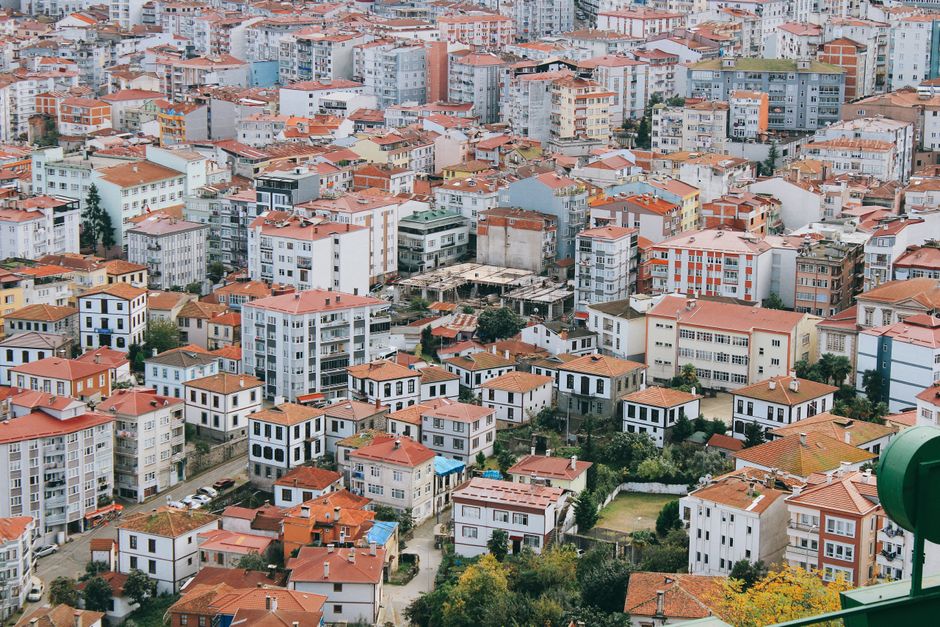
This human geography extends beyond wealthy districts. In Balat, renovated by artists and young families over the past decade, you'll find multi-generational storytelling: elderly residents recounting neighbourhood history to newcomers photographing heritage architecture, creating unexpected dialogues across age and origin.
The real Istanbul guidebook isn't written by tourism boards. It's authored daily by the nurse from Nigeria working at American Hospital, the Turkish architect mentoring Syrian refugees, the expat mum group meeting weekly in Bebek's parks. These ordinary moments—conversations over çay at corner tables, introductions through mutual friends, collaborations born from proximity—form the invisible infrastructure that transforms a visitor's visa into a resident's life.
That's the story Istanbul's newest residents discover: this ancient city's greatest monument is its people.
This article was compiled by AI from the sources linked above and screened before publishing. See our editorial standards.
How does this story make you feel?
Spread the word
About this article
Published by The Daily Istanbul
Daily brief
Free, in your inbox before 7am. Weekdays.
More in lifestyle