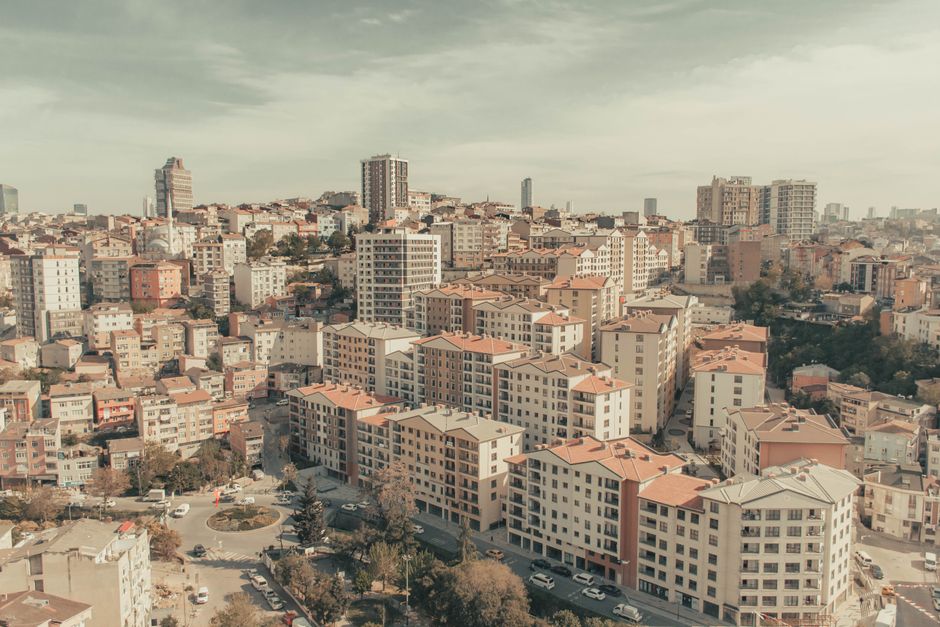
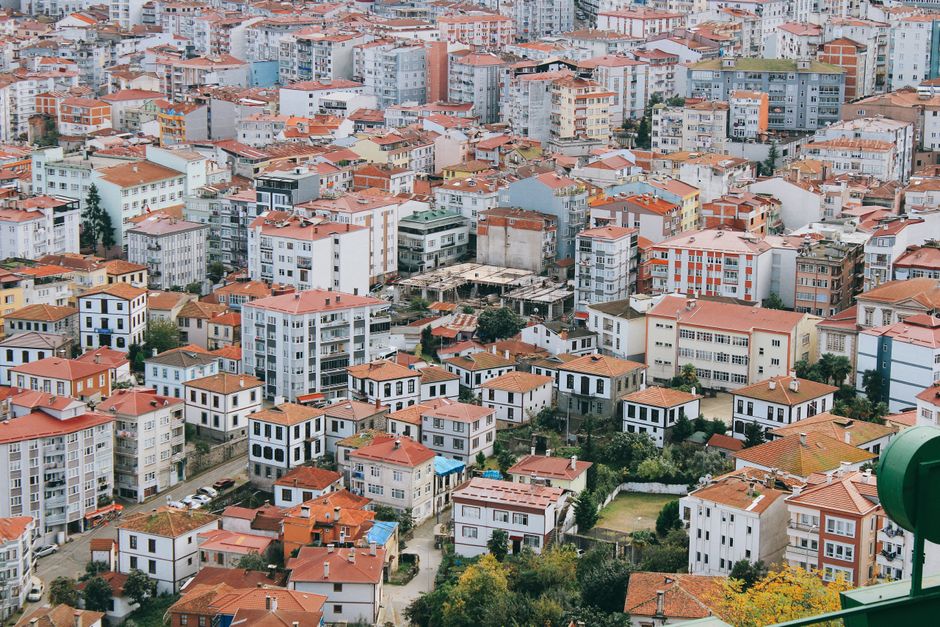
Walk down Balat's narrow Çukurcuma Caddesi today and you'll encounter something unexpected: locals actually living here. Not just Instagram tourists posing in front of pastel Ottoman facades, but families carrying groceries from the renewed weekly market, teenagers cycling to the newly renovated Balat Library, and elderly residents socializing in the freshly paved pocket parks along the Golden Horn waterfront.
The transformation wasn't accidental. Since 2021, Istanbul's municipal government invested over 45 million lira in infrastructure restoration across Balat and Fener, focusing on preserving architectural heritage while modernizing utilities that had been neglected for decades. But what's genuinely changed the neighbourhood's character is less visible: a community-led initiative called Balat Yaşayan Mahalle (Balat Living Neighbourhood) that helped prevent the gentrification-driven displacement plaguing other historic quarters.
Real estate prices tell part of the story. While comparable flats in Beyoğlu or Galata now command 120,000 lira per square metre, Balat's stock remains around 65,000–85,000 lira, making homeownership possible for young professionals and families. This economic accessibility has attracted a different demographic: architects, educators, and small business owners choosing to stay or move back, rather than treating the neighbourhood as a temporary backdrop.
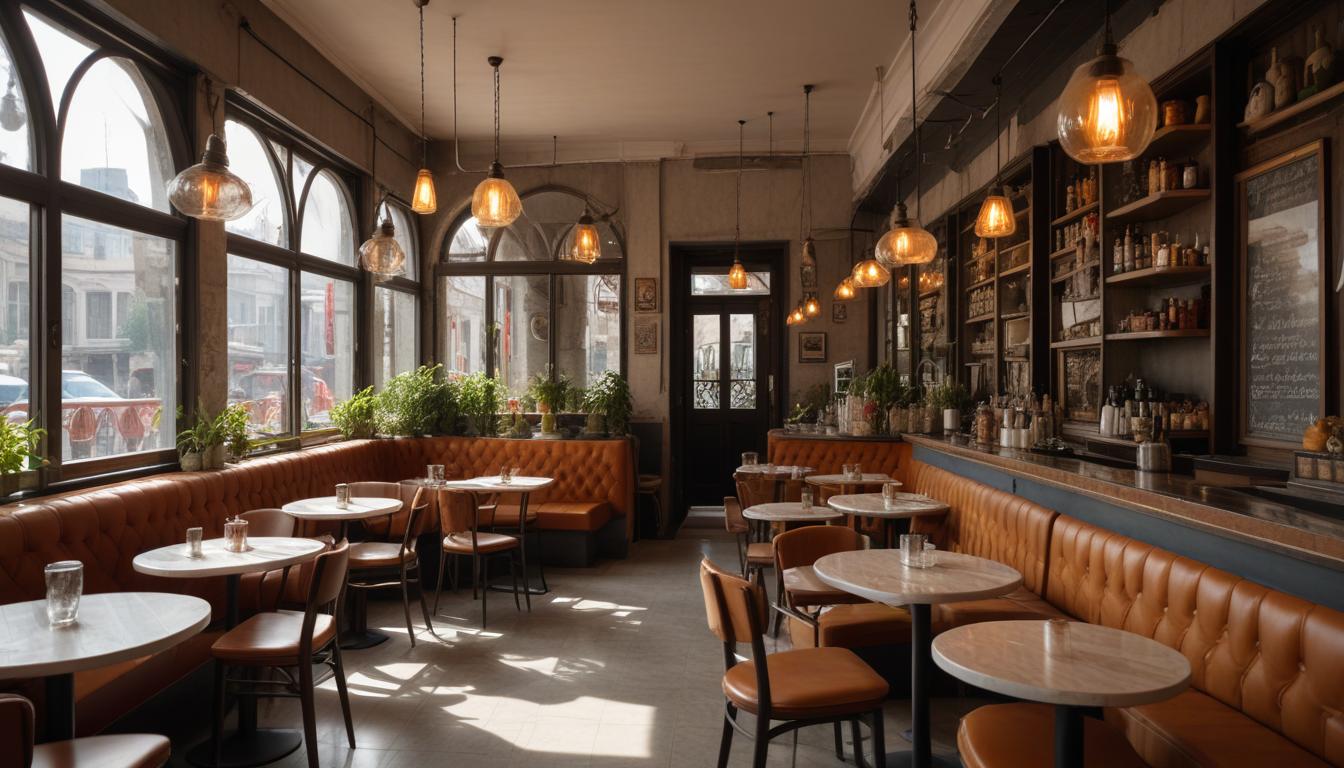
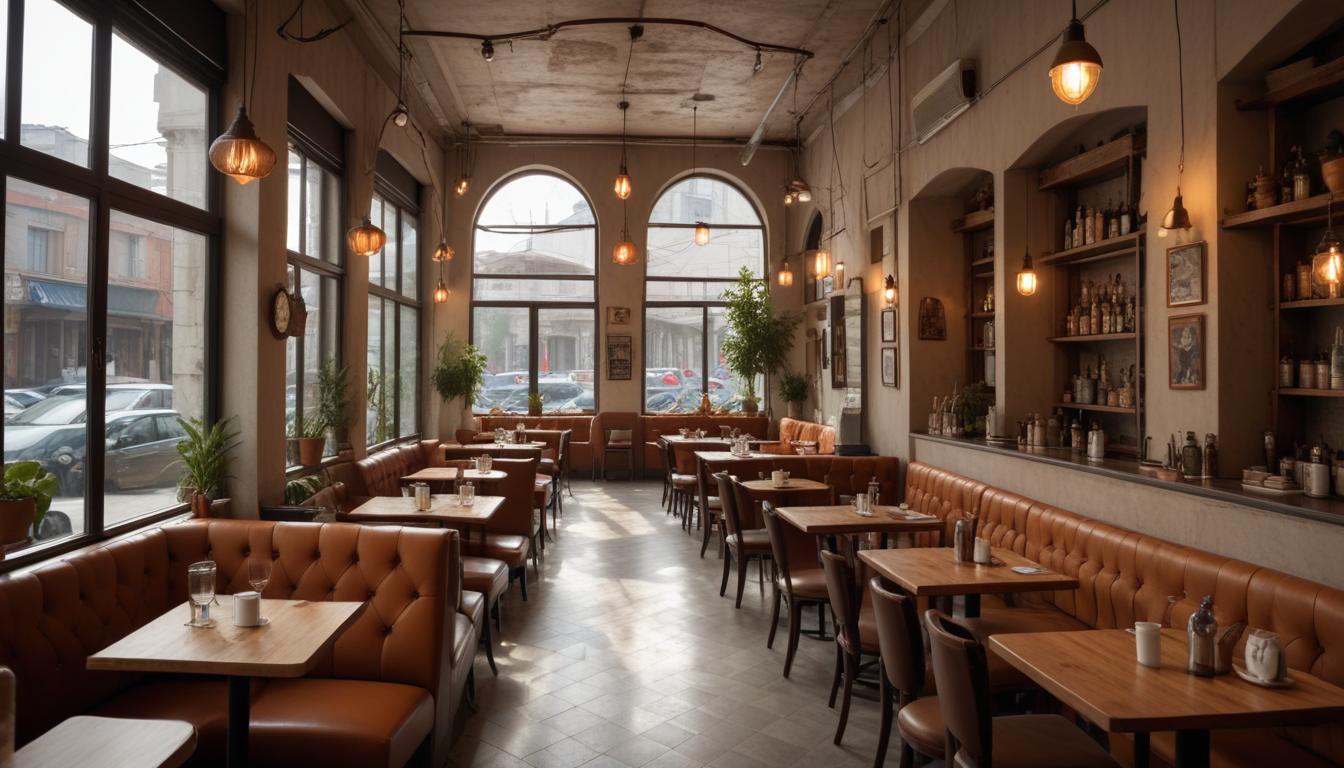
The cultural infrastructure shift is equally significant. The Balat Community Centre, reopened in 2024 after restoration, now hosts Turkish language classes, traditional craft workshops, and youth theatre. Nearby, new independent bookshops and modest eateries have replaced empty shopfronts—cafés serving proper Turkish breakfast rather than overpriced pastries for tourists. The weekly Thursday market on Balat Pazarı, revived in 2023, now moves 300+ vendors and serves residents within a 2-kilometre radius, not camera-wielding visitors.
What locals genuinely love most? The neighbourhood finally feels inhabited again. Balat's population, which had declined to roughly 8,000 residents by 2020, has stabilized around 14,000. The streets buzz with purpose: children playing in restored squares, neighbours greeting each other from restored Ottoman windows, small producers—from textile artisans to ceramicists—working from restored ground-floor workshops.
The Golden Horn promenade improvements, completed last year, have been transformative. Where there were once inaccessible ruins, there's now a two-kilometre walking path connecting Balat to Fener, with designated cycling lanes and waterfront cafés run by local cooperatives.
Balat isn't perfect. Infrastructure challenges remain, and rising interest in the neighbourhood threatens the very affordability that made this revival possible. But for now, locals say, it's theirs again—genuinely lived-in, authentically community-driven, and finally thriving as a neighbourhood rather than a museum.
This article was compiled by AI from the sources linked above and screened before publishing. See our editorial standards.