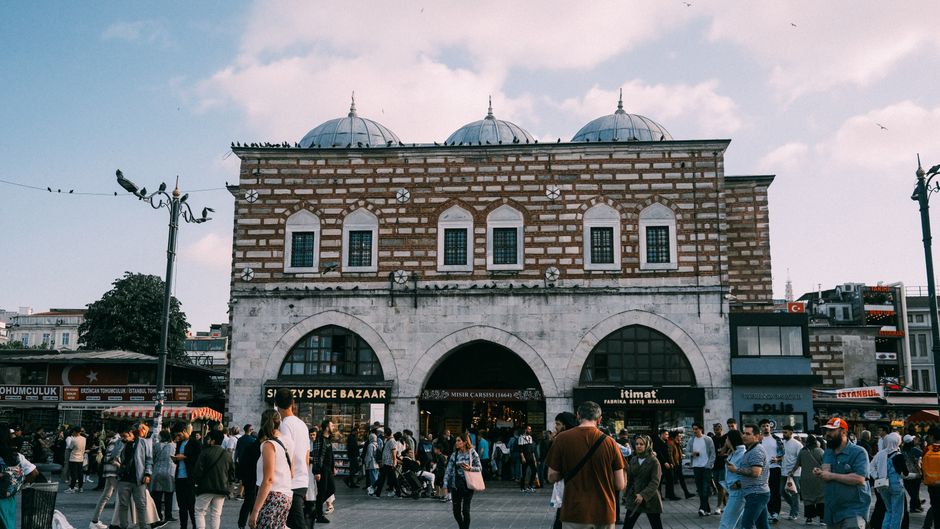
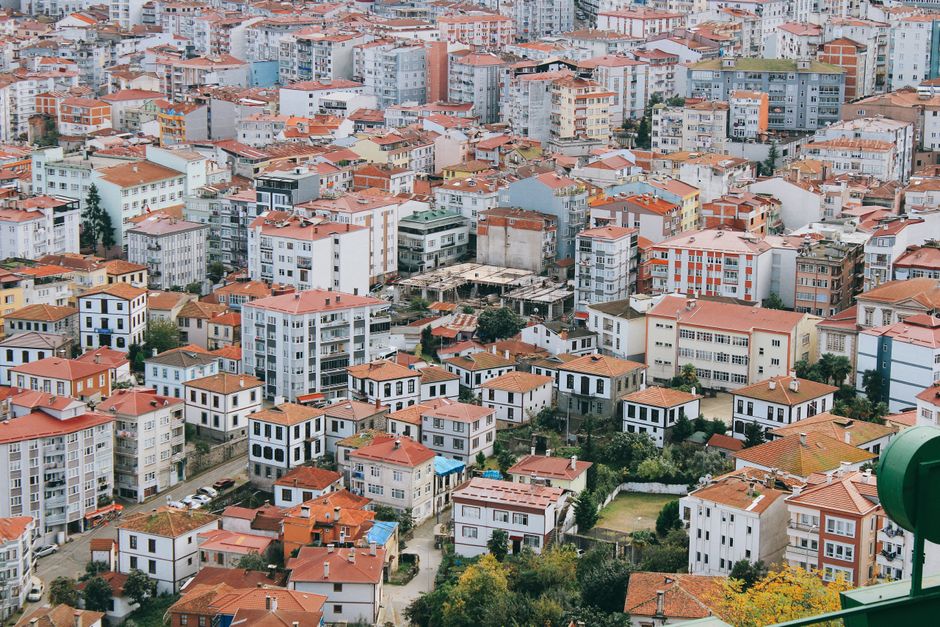
Moving to Istanbul means navigating neighbourhoods that shift personality block by block. To understand what life actually feels like beyond the tourist maps, we spoke with long-term residents who've learned the rhythms of their communities the hard way.
In Beyoğlu, where international migration and rapid gentrification collide, residents emphasise timing. "Istiklal Avenue is unbearable after 6 p.m.," one longtime dweller notes. Instead, locals frequent side streets like Tomtom Kapı and Asmalımescit, where independent cafés and galleries cluster away from foot traffic. The neighbourhood's rental market hovers around 25,000-35,000 Turkish lira monthly for a one-bedroom apartment, but residents stress negotiating directly with owners rather than using agencies, which can inflate prices by 20 percent.
Across the Golden Horn, Balat has transformed dramatically. Long-term residents report that the Instagram-worthy coloured houses have attracted commercial pressure; genuine community life now requires venturing beyond Çukurcuma Street into residential blocks where locals still gather at neighbourhood bakeries and the Balat Library near Ayvansaray. Prices have followed the trend—up 40 percent in three years—making adjacentFatih more appealing for families seeking stability.
On the Asian side, Kadıköy residents speak of their neighbourhood as a complete ecosystem. The Thursday market near Rıhtım Caddesi remains essential for weekly shopping, while the ferry commute to work becomes meditative rather than arduous once you surrender to its rhythm. What new arrivals often miss: establishing relationships with shopkeepers matters. One resident notes that regulars receive better prices and advance notice of seasonal produce.
Şişli presents different challenges. While central and connected, residents warn that residential pockets disappear quickly—many buildings are office spaces or hotels. Those seeking genuine community life recommend searching near Osmanbey or Teşvikiye, where green spaces and family-focused establishments remain anchors.
Across all neighbourhoods, residents emphasise patience. Istanbul's neighbourhoods don't reveal themselves quickly. The best bakery, the safest walking routes at night, where locals actually spend evenings rather than tourists—these discoveries take months. Several residents recommend joining neighbourhood WhatsApp groups and participating in local associations; community centres like those operated by Beyoğlu Municipality offer language classes and cultural events where genuine connections form.
The most consistent advice: choose your neighbourhood for where you want to live daily, not for its reputation. The neighbourhood that photographs beautifully might exhaust you within months. The less glamorous area might become home.
This article was compiled by AI from the sources linked above and screened before publishing. See our editorial standards.