Golden Horn Ferry Routes Transform as Istanbul's Commuters Abandon the Gridlock
After a decade of neglect, water transport across the Haliç is surging back as frustrated drivers seek alternatives to the city's notorious traffic.
After a decade of neglect, water transport across the Haliç is surging back as frustrated drivers seek alternatives to the city's notorious traffic.
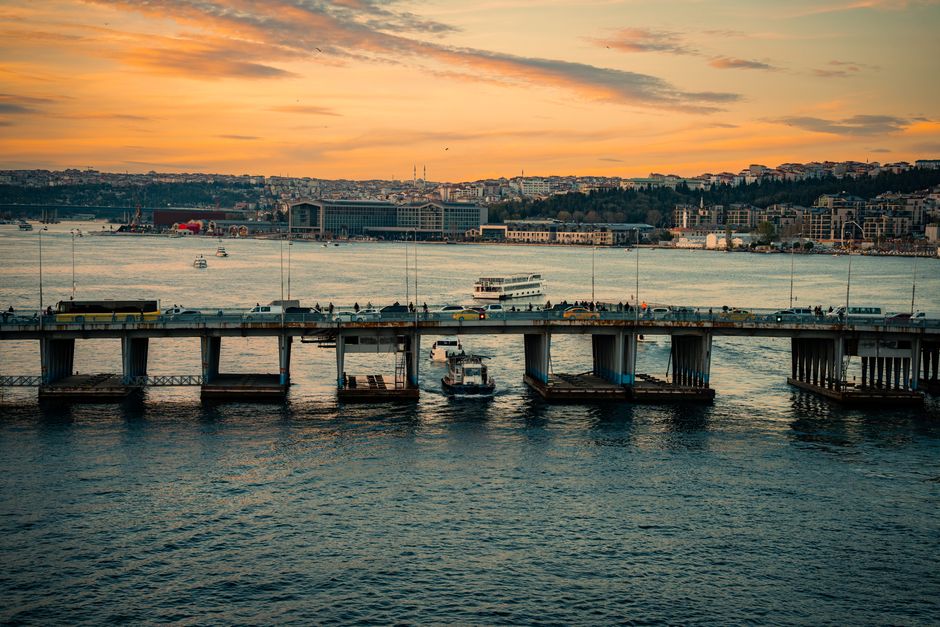
The 6:45 a.m. ferry from Eyüp to Karaköy leaves fuller than it has in nearly fifteen years. Where commuters once trickled aboard, now they queue on the dock—office workers clutching their phones, students with backpacks stacked three-deep on the deck. The transformation is unmistakable, and it reflects a seismic shift in how Istanbul's millions are choosing to navigate their city.
For decades, the Golden Horn ferries were the poor relation of Istanbul's transport network. After the opening of the Haliç Metro Bridge in 2014, water routes seemed destined for irrelevance. Yet between 2024 and now, passenger numbers have climbed 34 percent across the municipality's ferry lines, according to figures from Istanbul's transport authority. The reasons are simple: a commute that once took ninety minutes by minibus across the congested Atatürk Bridge now takes twenty by water.
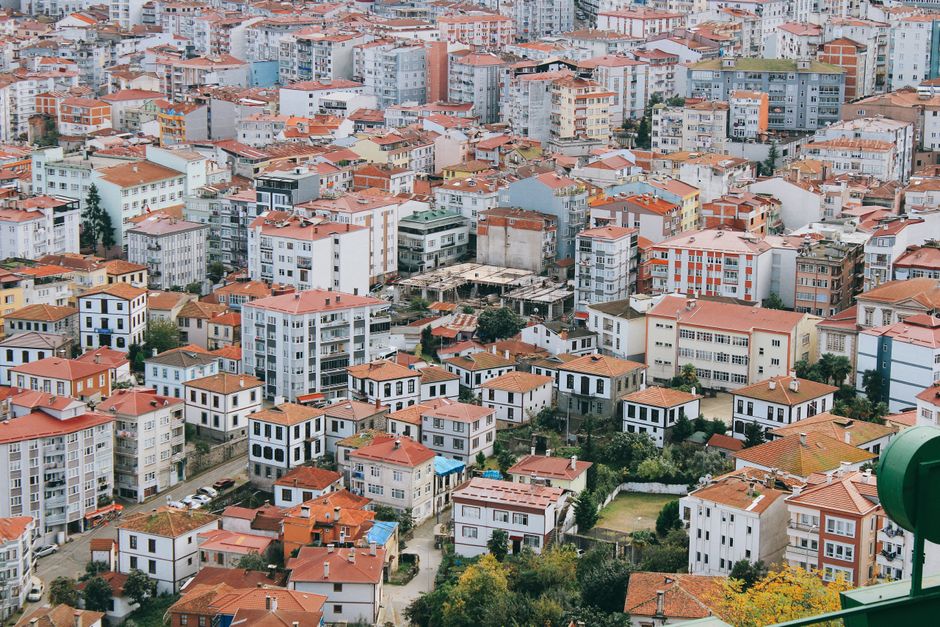
The shift is particularly pronounced along the Haliç's northern shore. Residents of Eyüp, traditionally a bedroom community of older apartment blocks and working-class neighbourhoods, have discovered that the ferry network—once regarded as a relic—offers genuine speed advantages. From Eyüp dock to Eminönü takes eighteen minutes. To Karaköy, where Istanbul's financial hub clusters around Bankalar Caddesi, just under twenty. The ferry fare remains frozen at 8.5 Turkish lira for regular commuters using the Akbil travel card.
Istanbul's municipal government has responded by investing in the infrastructure it allowed to decay. Three renovated ferries entered service in April, with larger capacity and improved air conditioning. Plans for a fourth vessel were announced last month. The Eyüp terminal itself underwent a modest facelift in 2025, adding protected seating and improving crowd management during peak hours.
The environmental narrative resonates too. As Istanbul grapples with air quality warnings and climate commitments, the water routes represent a form of commuting that reduces both carbon output and the psychological toll of gridlock. Commuters describe the ferry journey differently than they do their previous car or minibus ordeals—as transition time, a buffer between home and work rather than lost hours grinding through traffic.
Yet challenges remain. Summer congestion at Karaköy remains intense, and timetables still feel inadequate during rush hours. Some neighbourhoods—those further up the horn toward Alibey Island—remain underserved. Still, the revival signals something fundamental about urban adaptation: sometimes the oldest solutions, when properly resourced, prove most resilient to a city's deepest problems.
This article was compiled by AI from the sources linked above and screened before publishing. See our editorial standards.
How does this story make you feel?
Spread the word
About this article
Published by The Daily Istanbul
Daily brief
Free, in your inbox before 7am. Weekdays.
More in lifestyle