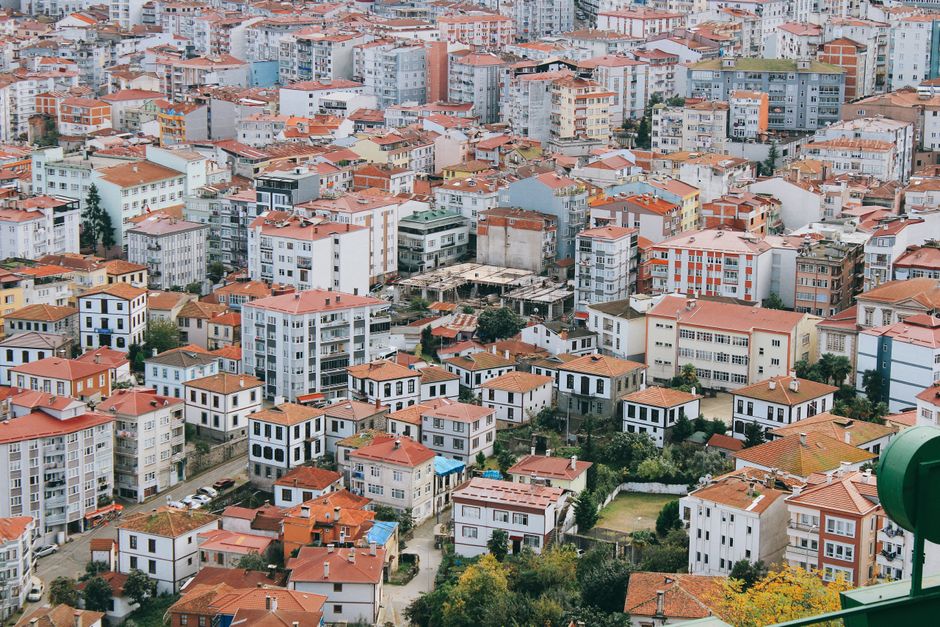
Walk down Balat's narrow, ochre-coloured streets on any given afternoon and you'll encounter a neighbourhood in the throes of profound transformation. Five years ago, this neighbourhood in Fatih was primarily known among locals as an affordable residential pocket with decaying Ottoman buildings. Today, it's unrecognisable—though arguably not always for the better.
The numbers tell a striking story. Real estate prices in Balat have surged approximately 340% since 2018, according to local property analysts. Monthly rents for a modest two-bedroom apartment now hover around 12,000–15,000 Turkish lira, compared to 3,000–4,000 lira just seven years ago. This explosive growth has fundamentally altered the neighbourhood's character and demographics.
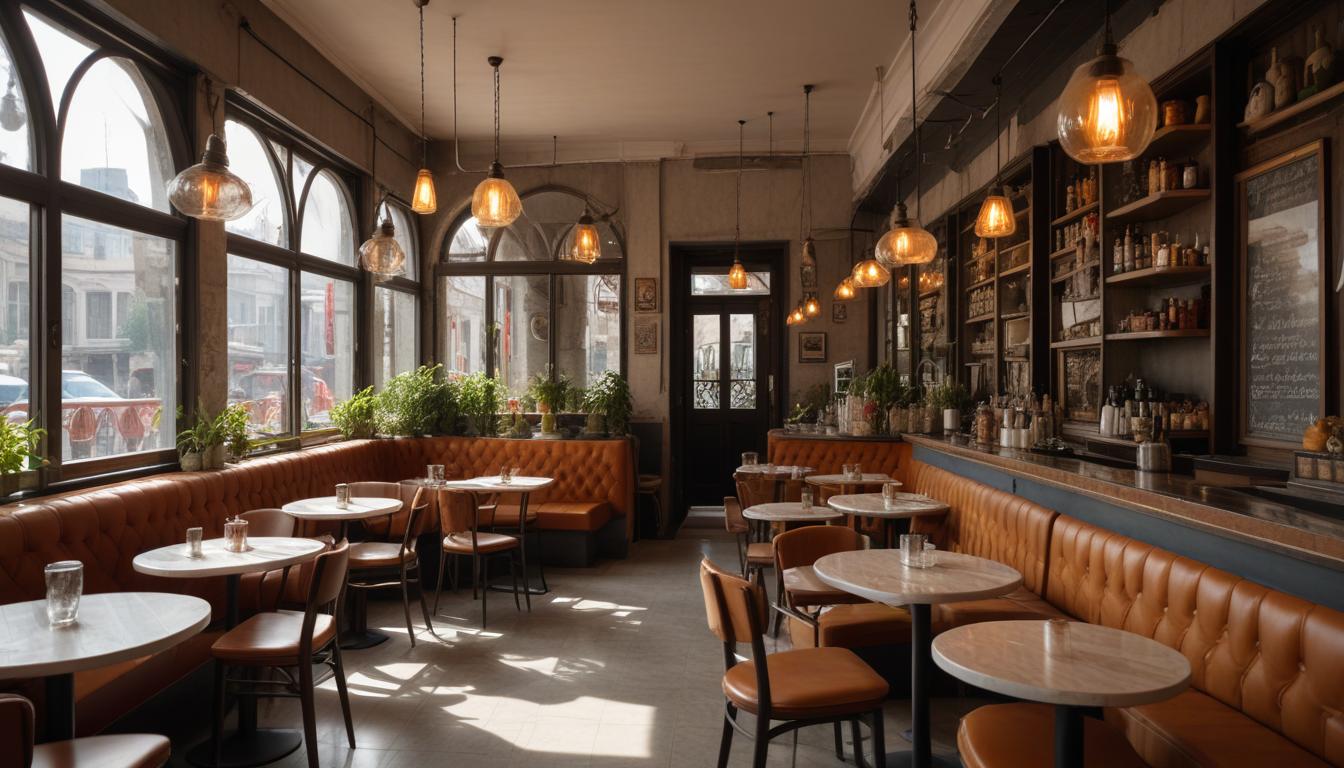
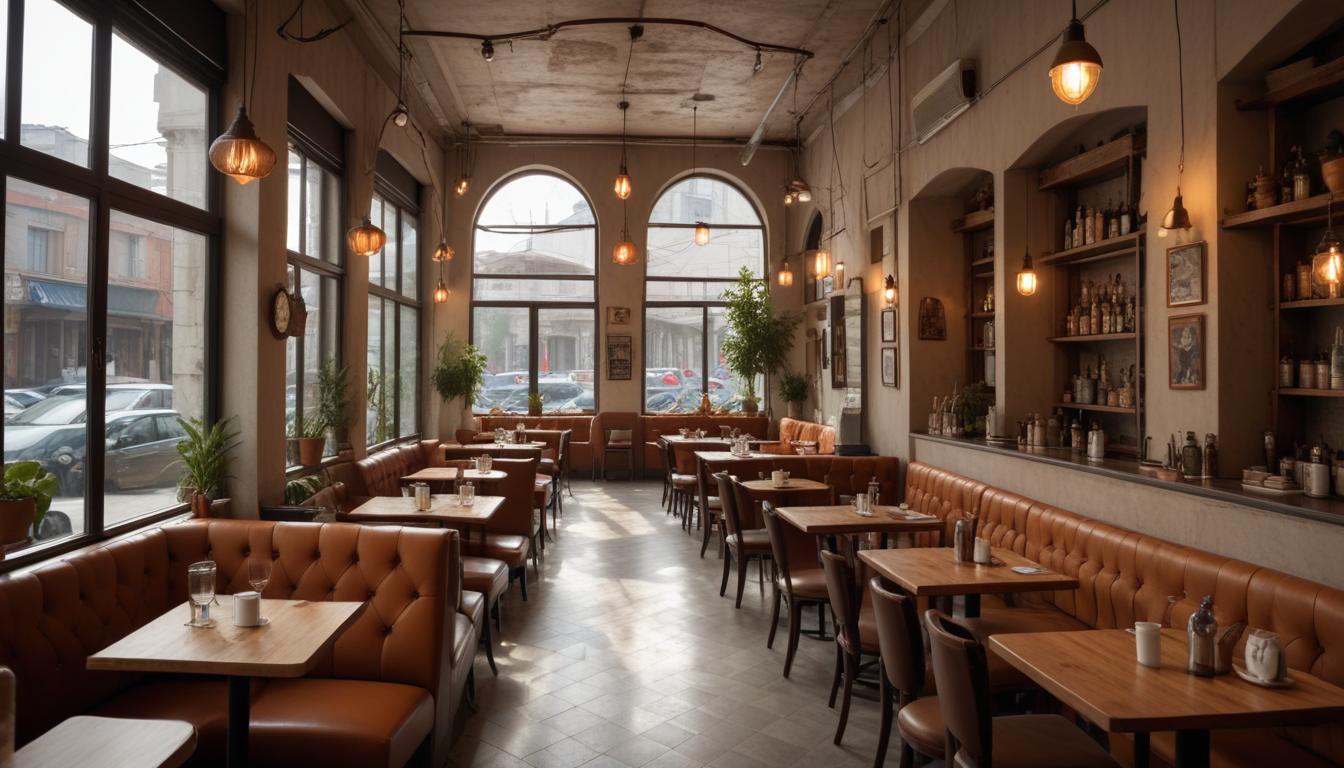
The influx of independent cafés has been particularly dramatic. Serdar-i Ekrem Street, once dominated by neighbourhood grocers and traditional kebab vendors, now hosts over forty coffee shops—many targeting international visitors and young professionals working in Istanbul's tech corridor. Establishments like the artisanal roastery at the neighbourhood's heart have become meeting points for startup culture, a stark contrast to the neighbourhood's former identity as a quiet residential zone serving its established communities.
Yet this evolution carries real consequences. Long-time residents—particularly elderly inhabitants and families who've lived here for generations—are being priced out. Community organisations like the Balat Residents Association report increasing displacement concerns, with approximately 18% of the neighbourhood's original population having relocated in the past four years alone. Traditional craftspeople, including woodworkers and metalworkers who once lined these streets, have largely disappeared, replaced by boutiques and galleries catering to affluent newcomers.
The city's efforts to preserve Balat's architectural heritage have inadvertently accelerated gentrification. Restoration subsidies, while well-intentioned, have made properties attractive to developers and investors rather than benefiting existing residents. The restored facades now frame a fundamentally different neighbourhood—one increasingly divorced from the working-class identity that defined it for centuries.
Still, change isn't uniformly negative. The neighbourhood's revival has attracted serious investment in infrastructure and safety. Street lighting has improved dramatically, and the local municipality has invested in public spaces. Cultural institutions like independent galleries and small museums have found homes in renovated buildings, enriching the neighbourhood's artistic offerings.
The question facing Balat now is whether it can sustain any semblance of its original community character while accommodating genuine growth. As of mid-2026, that answer remains frustratingly unclear—a neighbourhood caught between nostalgic preservation and inevitable urban evolution.
This article was compiled by AI from the sources linked above and screened before publishing. See our editorial standards.