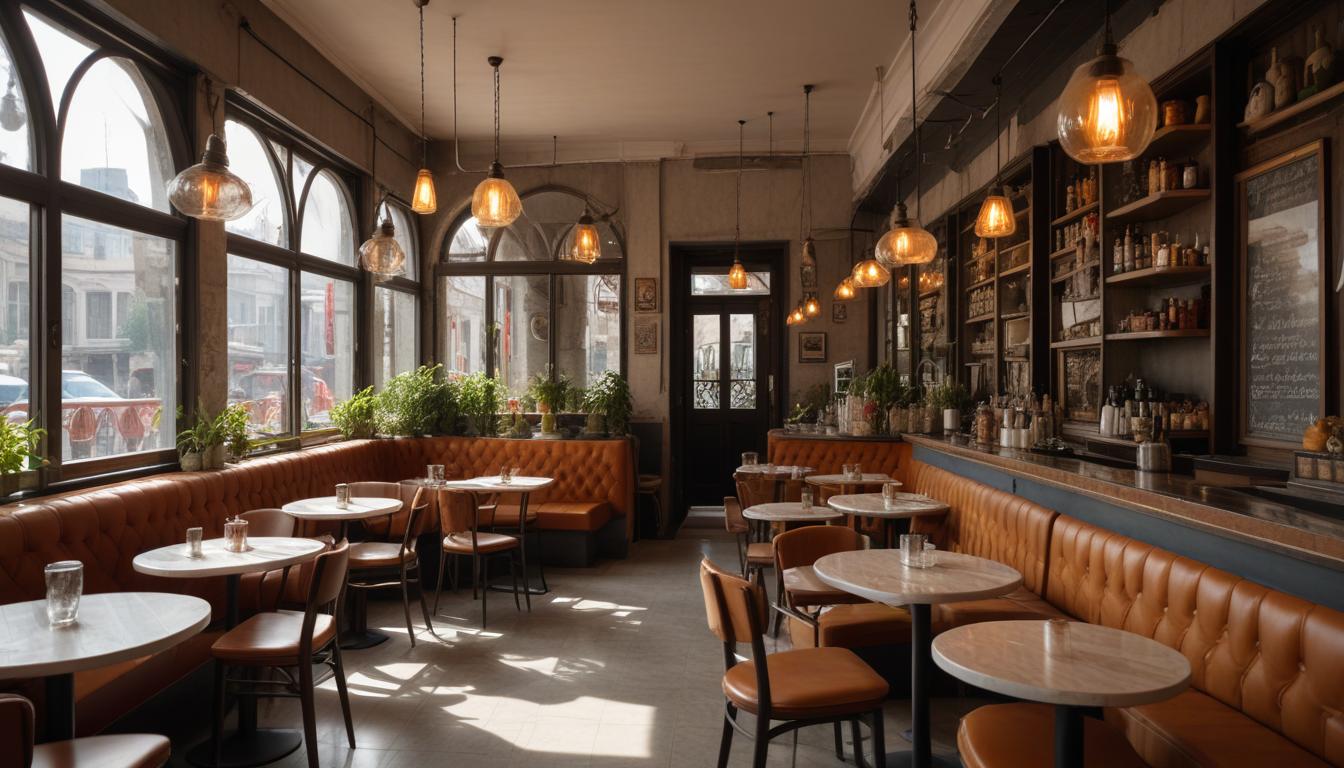
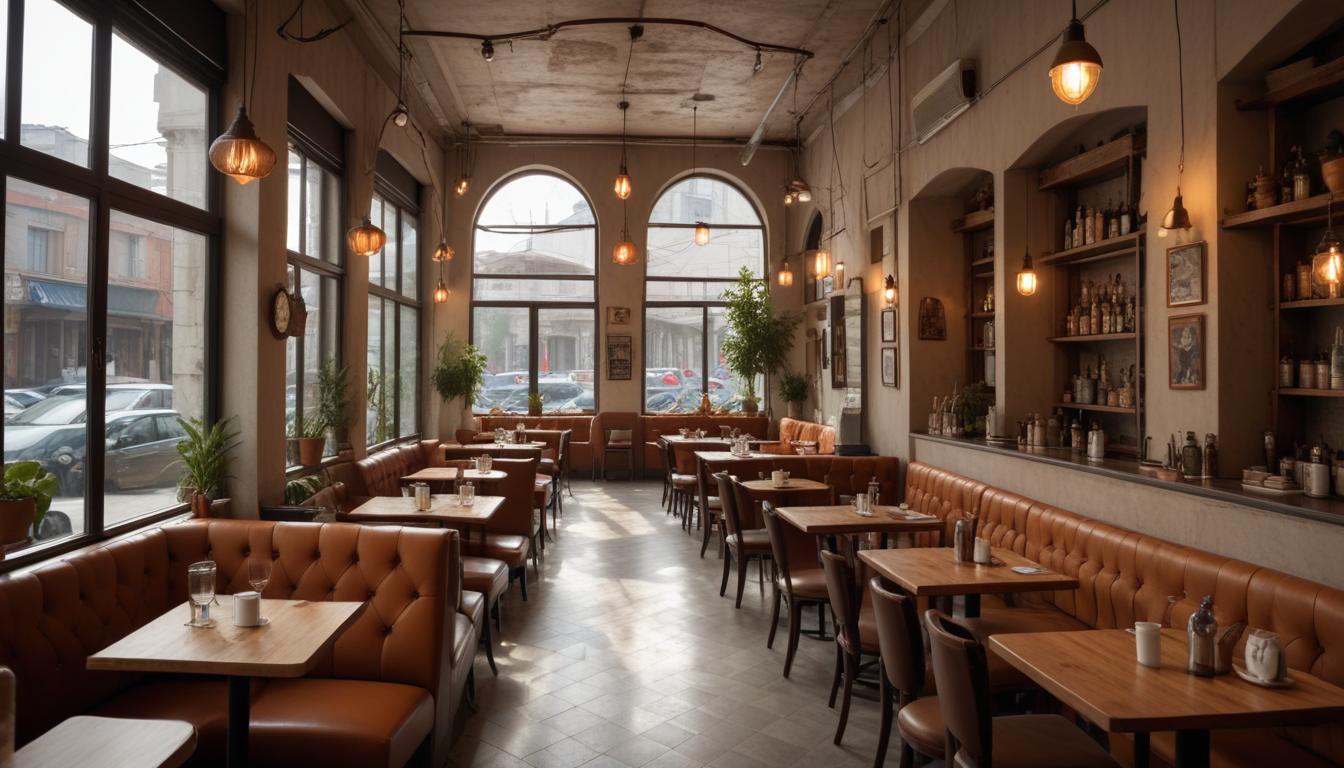
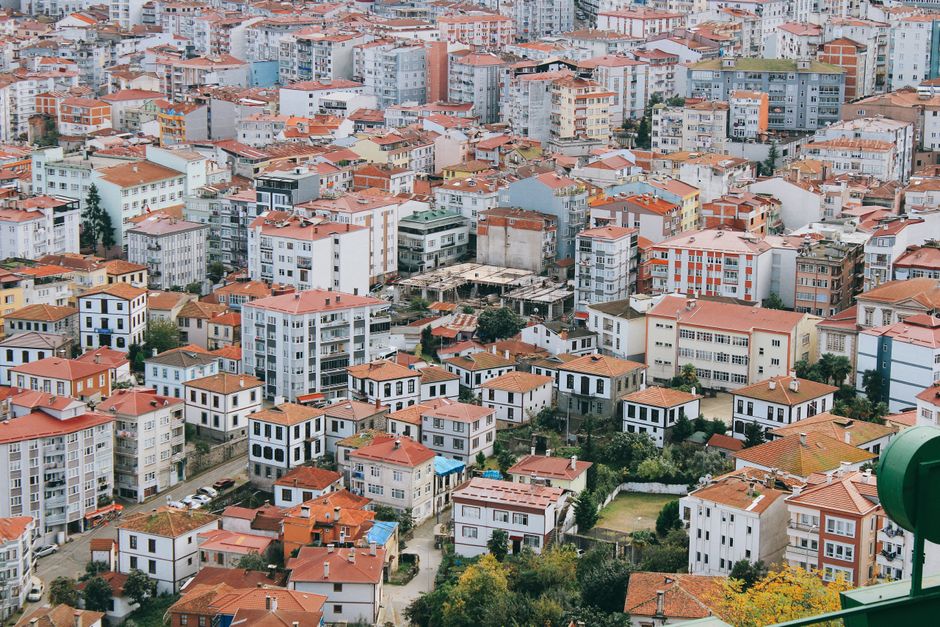
On a Tuesday morning in Cihangir, the narrow streets bustle with a particular energy that only Istanbul's school run can generate. Parents navigate cobblestones with pushchairs, older siblings hurry toward Galatasaray Lycée, and the smell of fresh simit drifts from corner bakeries. It's ordinary and extraordinary simultaneously—the daily reality of raising children in a city that straddles continents and cultures.
Istanbul's parenting landscape has transformed dramatically over the past decade. With approximately 4.7 million residents and a school-age population that reflects unprecedented diversity, families here navigate choices their parents never faced. International schools in Beşiktaş and Ataköy now serve expatriate communities alongside Turkish families seeking English-language education. Meanwhile, neighbourhood state schools in Fatih and Eyüp continue their generations-old traditions, often with waiting lists that stretch months.
The financial realities are stark. Monthly fees at top-tier international institutions range from 15,000 to 40,000 Turkish lira, placing them far beyond reach for most families. Yet these schools represent just one thread in Istanbul's complex educational tapestry. Community organisations like those operating in Üsküdar and Şişli offer after-school programmes, tutoring and mentorship—lifelines for families navigating a competitive academic system where university entrance exams determine much of a teenager's trajectory.
What makes parenting in Istanbul genuinely distinctive is the resource of the city itself. The Istanbul Modern in Beyoğlu becomes a Friday afternoon ritual for some families. The ferries crossing the Bosphorus serve as both transport and classroom, geography lessons visible from the deck. Parks like Emirgan and Maçka offer green space in a dense urban environment where creative play often replaces suburban backyards.
Teachers working in Istanbul's schools describe a unique challenge: students arrive with vastly different experiences. A single classroom might contain children of diplomats, business executives, migrants and multigenerational Istanbul families. This diversity, while occasionally chaotic, creates something irreplaceable—an early education in cultural navigation that no curriculum can formally teach.
The stories of Istanbul's families aren't headlines. They're the mathematics tutor in Taksim who's worked with the same families for twenty years. The parent volunteer who organises sustainability projects at her neighbourhood school in Bebek. The grandparents in Balat who collect grandchildren from three different schools daily, anchoring them to family tradition amid rapid change.
These are the faces that make Istanbul's parenting journey distinctive—not despite its complexity, but precisely because of it.
This article was compiled by AI from the sources linked above and screened before publishing. See our editorial standards.