Istanbul's Markets Decoded: What You'll Actually Spend Before You Go
From the Grand Bazaar to Balat's hidden corners, here's how to navigate the city's retail landscape without breaking the bank.
From the Grand Bazaar to Balat's hidden corners, here's how to navigate the city's retail landscape without breaking the bank.
Istanbul's markets are a rite of passage for any visitor, but the experience hinges entirely on preparation. Whether you're eyeing Turkish carpets, spices, or vintage finds, understanding costs and logistics separates savvy shoppers from those leaving empty-handed and frustrated.
The Grand Bazaar remains the obvious starting point, though expectations matter. Expect to spend 500-2,000 Turkish Lira (roughly €15-60) on smaller souvenirs—scarves, ceramics, spice boxes—while authentic carpets and kilims begin around 3,000 Lira and climb steeply. Bring cash; many stall holders prefer it, though larger shops accept cards. Wednesday to Friday afternoons draw the heaviest crowds; early mornings offer breathing room. Allow three to four hours minimum, and remember: haggling is expected but exhausting.
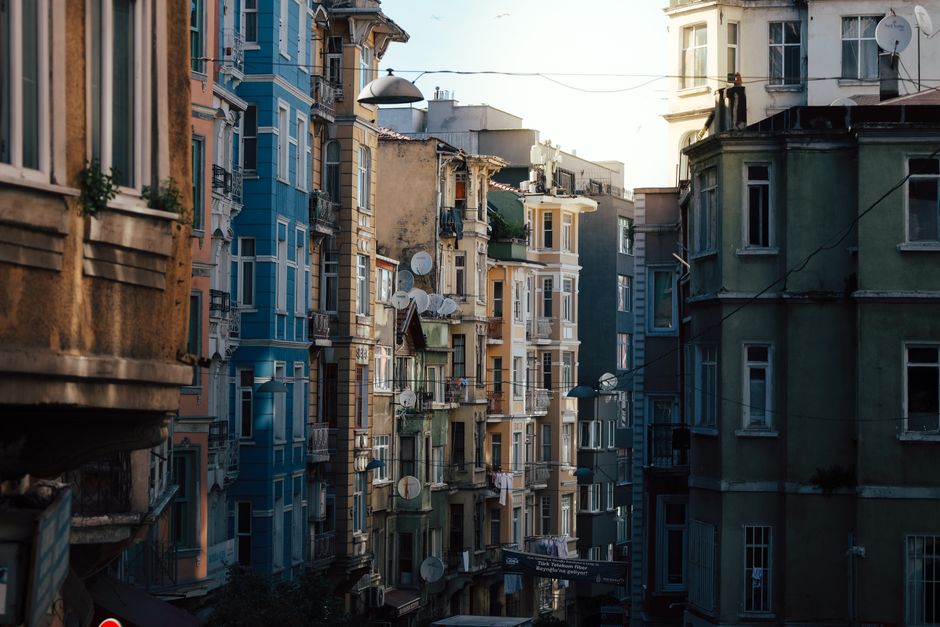
For genuinely local finds at better value, Balat's narrow streets tell a different story. This Fener neighbourhood has transformed into Istanbul's bohemian hub, with vintage bookshops, small galleries, and independent boutiques where prices reflect community rather than tourism. Budget 200-800 Lira for quality secondhand clothing and curated objects. The famous Balat baklava—from vendors along Balat Caddesi—costs around 50-80 Lira per portion and tastes better than anything in the Bazaar.
Spice markets demand a different approach. The Egyptian Bazaar (Mısır Çarşısı) near Eminönü offers saffron, sumac, and dried fruits at roughly 30-40% less than Grand Bazaar equivalents, though quality varies wildly. Request samples before committing. Budget 100-300 Lira for a respectable spice haul.
Modern alternatives exist too. Istiklal Avenue in Beyoğlu hosts international chains and Turkish boutiques with fixed prices—no haggling required. Expect European-level costs (800-3,000 Lira for quality clothing). The Cevahir shopping mall in Şişli offers air-conditioned retail at predictable rates, though personality suffers.
Practical essentials: bring at least 500 Lira in cash if visiting markets. Cards work increasingly but aren't universal. Wear comfortable shoes—markets involve serious walking. Tuesday to Thursday mornings see lighter foot traffic. Many shops close around 7 p.m., and Sunday hours are reduced.
The real cost of Istanbul's markets isn't just money—it's time. Budget generously, expect to negotiate, and remember that the best finds emerge when you wander without targets, not when you're hunting souvenirs by a deadline.
This article was compiled by AI from the sources linked above and screened before publishing. See our editorial standards.
How does this story make you feel?
Spread the word
About this article
Published by The Daily Istanbul
Daily brief
Free, in your inbox before 7am. Weekdays.
More in lifestyle