Walk down İstiklal Caddesi on a Thursday evening and you'll witness Istanbul's nightlife theatre in full performance—but the real story isn't in the rooftop clubs or the bottle service queues. It's in the neighbourhood ecosystems that sustain them, the communities that shape them, and the subtle shifts happening beneath the neon.
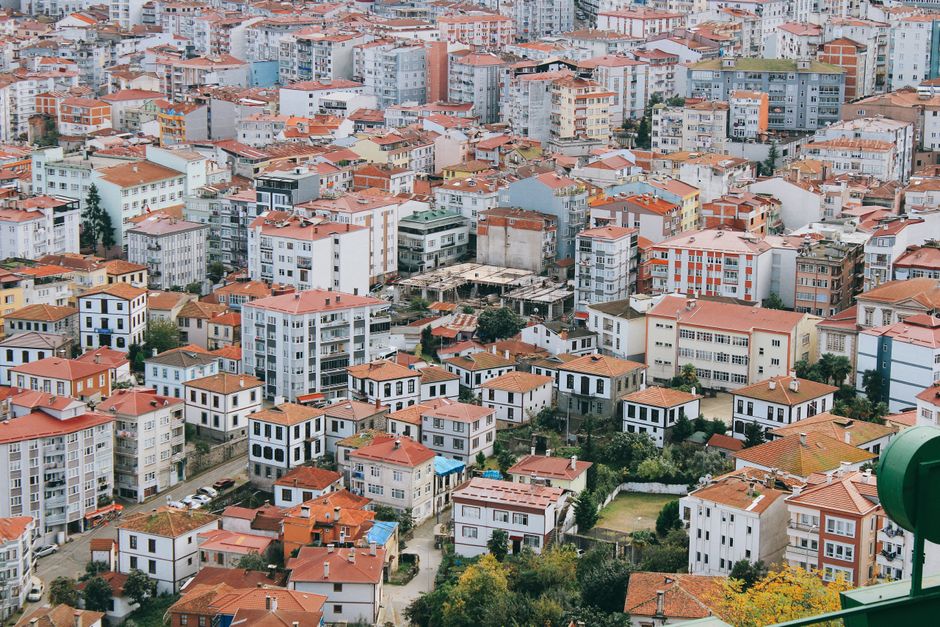
Beyoğlu remains Istanbul's most visible nightlife district, with venues clustered around Nevizade Street and the emerging Karaköy waterfront generating an estimated 2.3 million monthly visitors. Yet longtime residents describe a neighbourhood in transition. While international chains and high-end cocktail bars dominate the scene—many charging 180-250 Turkish Lira for a single drink—smaller establishments catering to local university students and creative professionals are gradually relocating to Cihangir and Asmalımescit, where rents remain manageable and authenticity commands premium loyalty rather than tourist traffic.
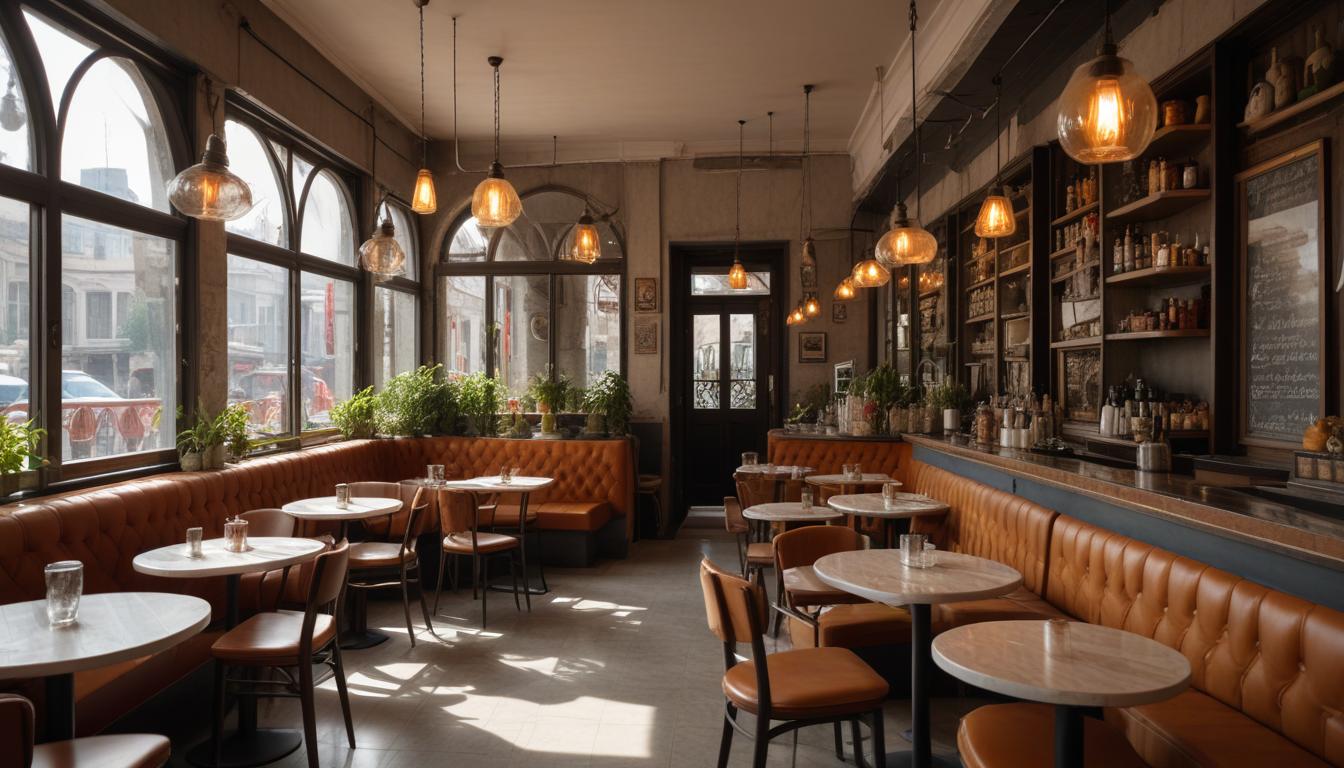
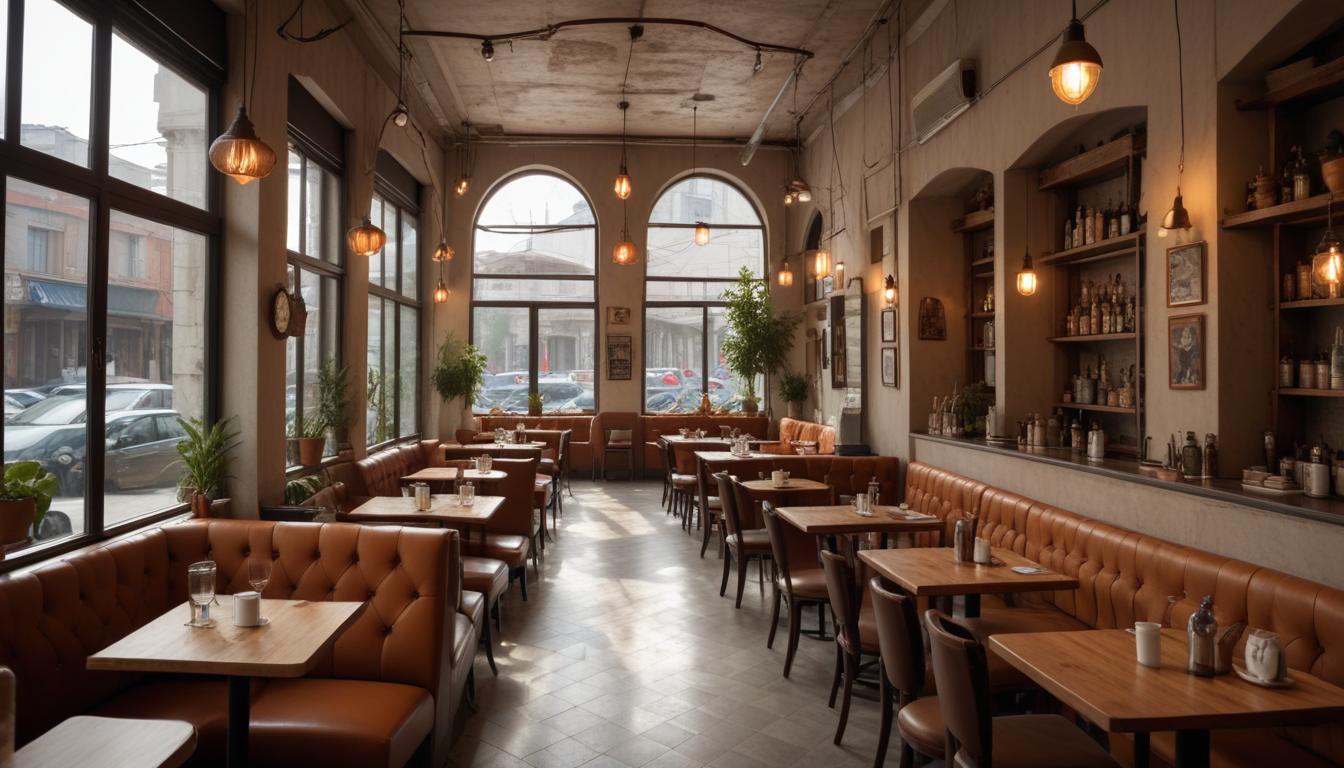
Across the Golden Horn, Kadıköy presents a markedly different social texture. The neighbourhood's bar culture has organically developed around its artistic community: street art galleries, independent bookshops, and design studios create a natural constituency for venues that function as cultural gathering spaces rather than purely commercial destinations. Bar proprietors here frequently host live music, poetry readings, and neighbourhood meetups—activities that strengthen social bonds beyond typical transactional relationships. Prices average 140-180 Lira for cocktails, reflecting both the demographic and an implicit neighbourhood ethos that values accessibility.
The character of Istanbul's bar scenes also reveals demographic patterns. Taksim and Galata attract international visitors and affluent Istanbullites, creating high-revenue environments that prioritise aesthetics and brand identity. Conversely, Besiktaş and Ortaköy's waterside bars serve as neighbourhood extensions—spaces where locals celebrate matches, mark occasions, and maintain social continuity. These venues typically operate as gathering points for specific communities: football supporters' bars remain predominantly male and vocal, while wine bars near Nişantaşı draw professional women and creative workers seeking conversation over atmosphere.
Recent trends suggest younger Istanbullites increasingly favour neighbourhood character over gloss. Smaller districts—Fenerbahçe, Moda, even outer neighbourhoods along the Bosphorus—are developing modest bar cultures rooted in local identity rather than tourist appeal. These spaces typically feature Turkish music, affordable pricing (120-150 Lira average), and consistent customer bases of regulars whose presence defines the venue's personality.
What emerges is clear: Istanbul's nightlife reflects neighbourhood sociology. Whether you're navigating Beyoğlu's commercial intensity, Kadıköy's artistic collaboration, or the emerging intimate bar cultures of outer districts, the scene's true character lies not in what's served, but in who gathers, why they gather, and what their presence reveals about community life in one of the world's most dynamic cities.
This article was compiled by AI from the sources linked above and screened before publishing. See our editorial standards.