Why Istanbul's Neighbourhoods Defy the Global City Formula
From the Bosphorus-straddling culture clash of Beyoğlu to the artisanal soul of Balat, Istanbul offers a neighbourhood experience that resists the homogenisation reshaping cities worldwide.
From the Bosphorus-straddling culture clash of Beyoğlu to the artisanal soul of Balat, Istanbul offers a neighbourhood experience that resists the homogenisation reshaping cities worldwide.
Walk through Istanbul's distinct quarters and you'll notice something cities from Barcelona to Brooklyn have lost: neighbourhoods that haven't been algorithms away from authenticity. In Beyoğlu, where Georgian and Ottoman architecture collide above the Bosphorus, you'll find independent bookshops like Pandora on İstiklal Caddesi operating since 1995, surviving alongside global chains precisely because locals actively choose them. This isn't quaint nostalgia—it's neighbourhoods with staying power.
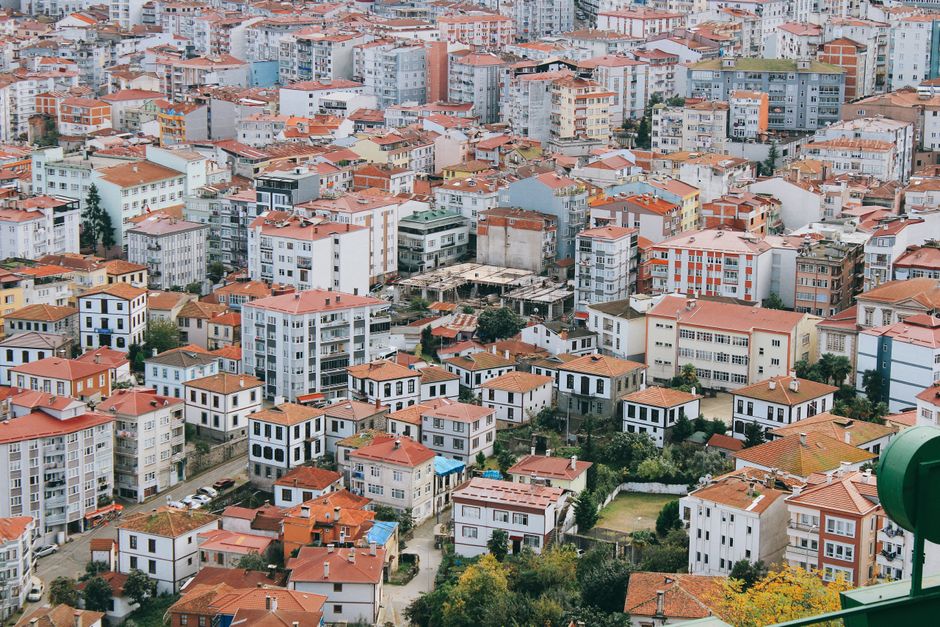
What distinguishes Istanbul's community fabric from other global metros is its resistance to gentrification's standardisation. Balat, the bohemian quarter south of the Golden Horn, has transformed dramatically over two decades, yet retains character because its transformation emerged organically from young Turkish creatives, not foreign investment algorithms. Walking Balat's narrow streets, you encounter artist collectives in restored wooden houses, family-run cafés serving traditional menemen (scrambled eggs with peppers), and street art that reflects local stories rather than Instagram aesthetics.
The economics tell this story. While central London or Manhattan neighbourhoods now see average rents exceeding £2,000 monthly for modest two-bedroom flats, comparable Beyoğlu apartments rent for 35,000-50,000 Turkish lira (roughly £900-1,300). This affordability means artists, young families, and small business owners remain present—the demographic mix that creates actual community rather than transient populations cycling through luxury developments.
Neighbourhoods like Cihangir and Ortaköy maintain genuine mixed-use character too. You'll find a 60-year-old kebab vendor operating from the same corner as a contemporary art gallery, neighbourhood football clubs still functioning as social anchors, and family-owned hardware stores thriving because they serve locals who actually live there permanently. Compare this to cities where high street rents have eliminated independent shopkeepers entirely, replacing them with global brands.
Istanbul's position as a transcontinental city—physically bridging Europe and Asia across the Bosphorus—creates another distinction. Neighbourhoods on the European and Asian sides develop distinctly different characters while remaining deeply interconnected. Kadıköy on the Asian shore hosts Turkey's most vibrant independent music and theatre scene, yet remains fundamentally a neighbourhood where families have deep roots, not a destination tourists pass through.
The city's Muslim-majority culture also shapes community differently. Friday prayers at Blue Mosque draw locals alongside visitors; Ramadan transforms neighbourhoods into evening gathering spaces; tea gardens function as genuine social infrastructure, not Instagram backdrops. Institutions like the Balat Community Association work quietly maintaining neighbourhood identity against external pressures.
What makes Istanbul genuinely unique isn't just preservation—it's that neighbourhoods continue evolving while maintaining social cohesion. In a world where cities increasingly resemble each other, Istanbul's quarters retain the messiness, contradictions, and human texture that make places worth living in.
This article was compiled by AI from the sources linked above and screened before publishing. See our editorial standards.
How does this story make you feel?
Spread the word
About this article
Published by The Daily Istanbul
Daily brief
Free, in your inbox before 7am. Weekdays.
More in lifestyle