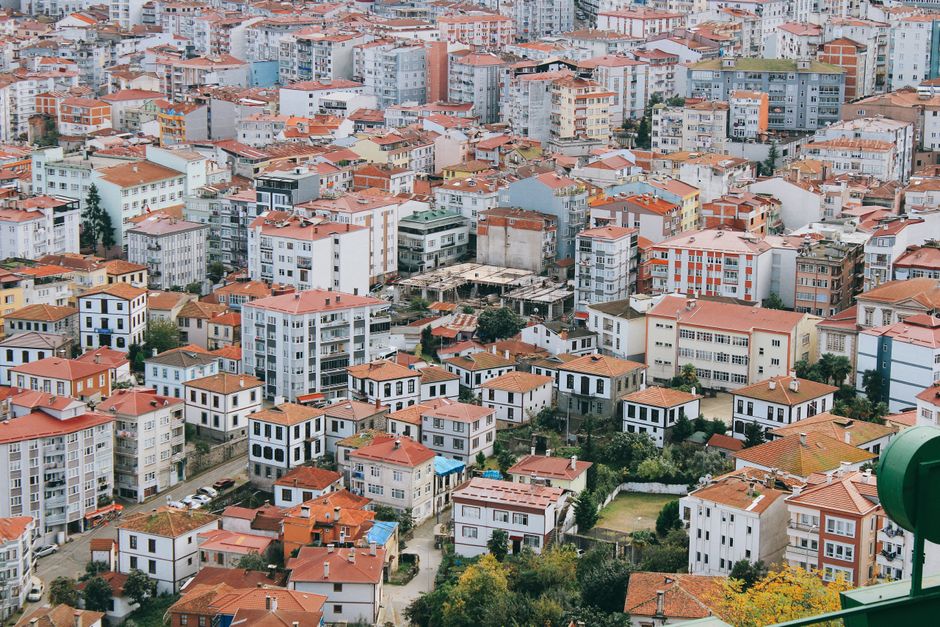
Walk down Balat's narrow cobbled streets on any weekday morning and you'll witness a rhythm that hasn't fundamentally changed in decades. At the intersection of Balat Caddesi and Sarı Köşk Street, retired shopkeepers gather for çay outside the corner grocer. Inside the cramped spice merchant at number 47, the owner's grandson learns the trade. Three doors down, women from the neighbourhood's aging Greek community still visit the Orthodox church on Thursdays, maintaining traditions that survived the 1950s riots and 1980s urban decay.
This is Balat's true character—not the Instagram-ready pastel buildings that drew 2.3 million visitors last year, but the stubborn, unglamorous persistence of community bonds that predate the influencer era by generations.
The neighbourhood's demographic composition tells the story. Approximately 8,400 residents live in Balat proper, with average rent for a one-bedroom apartment hovering around 12,000 Turkish lira monthly—significantly cheaper than neighbouring Fener, yet increasingly pressured upward. Turkish families, second and third-generation Romani residents, and a small contingent of expatriates comprise the social fabric. The community speaks multiple languages on its streets: Turkish, Arabic, Kurdish, and occasionally Greek and Armenian among elderly residents whose families never left.
What distinguishes Balat from other revitalised neighbourhoods is institutional continuity. The Balat Community Centre, operating since 1987, runs youth programmes and language classes that serve 340 registered members. The local hamam on Çukur Street maintains its original 18th-century architecture and pricing—12 lira for entry—serving the same families who've bathed there for three generations. The Balat Women's Cooperative, established in 2009, employs 28 artisans producing traditional Turkish textiles sold through their modest shop and online platforms.
Tensions exist beneath surface harmony. Long-time residents worry about displacement as property values climb. Between 2020 and 2025, average purchase prices increased 340 percent, pushing original inhabitants toward outer districts. Yet the neighbourhood's compact geography and mixed-income zoning—apartment buildings neighbour modest single-family homes—has slowed wholesale gentrification compared to nearby areas.
The community's resilience lies partly in deliberate choice. The Balat Cultural Association, founded in 2011, organises monthly neighbourhood dinners where new arrivals meet lifelong residents. The weekly farmers' market at Balat Meydanı operates as genuine social infrastructure, not tourist theatre. Local schools remain predominantly populated by neighbourhood children, not transplants.
As Istanbul transforms around it, Balat's greatest asset isn't its architectural charm or photogenic appeal. It's that people here still live like they belong to somewhere specific, and aren't simply passing through.
This article was compiled by AI from the sources linked above and screened before publishing. See our editorial standards.