Istanbul's Weekend Renaissance: How Fresh Infrastructure Is Reshaping Local Leisure
New transport links and revitalised waterfront zones are making day trips and weekend escapes more accessible than ever for residents tired of city congestion.
New transport links and revitalised waterfront zones are making day trips and weekend escapes more accessible than ever for residents tired of city congestion.
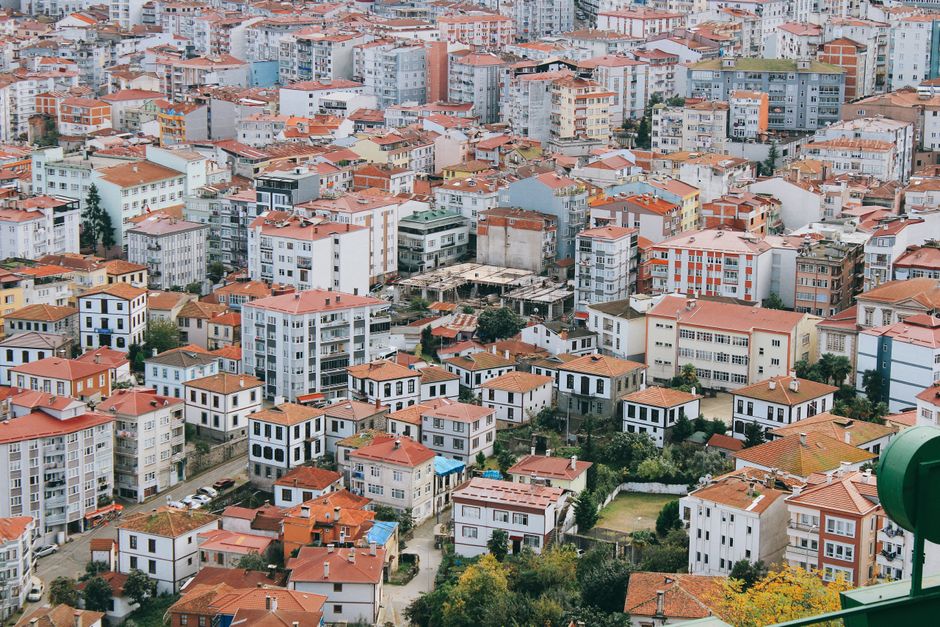
For years, Istanbulites faced a familiar weekend dilemma: endure gridlocked traffic to escape the city, or resign themselves to overcrowded cafés in Beyoğlu. That calculus is shifting dramatically. A combination of expanded metro connections, newly pedestrianised waterfronts, and refurbished cultural spaces has fundamentally altered how locals spend their leisure time—and where.
The extension of the M7 metro line, completed earlier this year, has transformed access to Başakşehir and beyond, cutting journey times to the city's northern forests and lake districts by up to 40 minutes. For weekend hikers and nature seekers, this means spontaneous trips to Belgrad Forest or the Sazlıdere Valley are no longer logistical nightmares requiring early starts. Local outdoor retailers along İstiklal Caddesi report a 23% increase in weekend equipment rentals since March—a telling indicator of behavioural change.
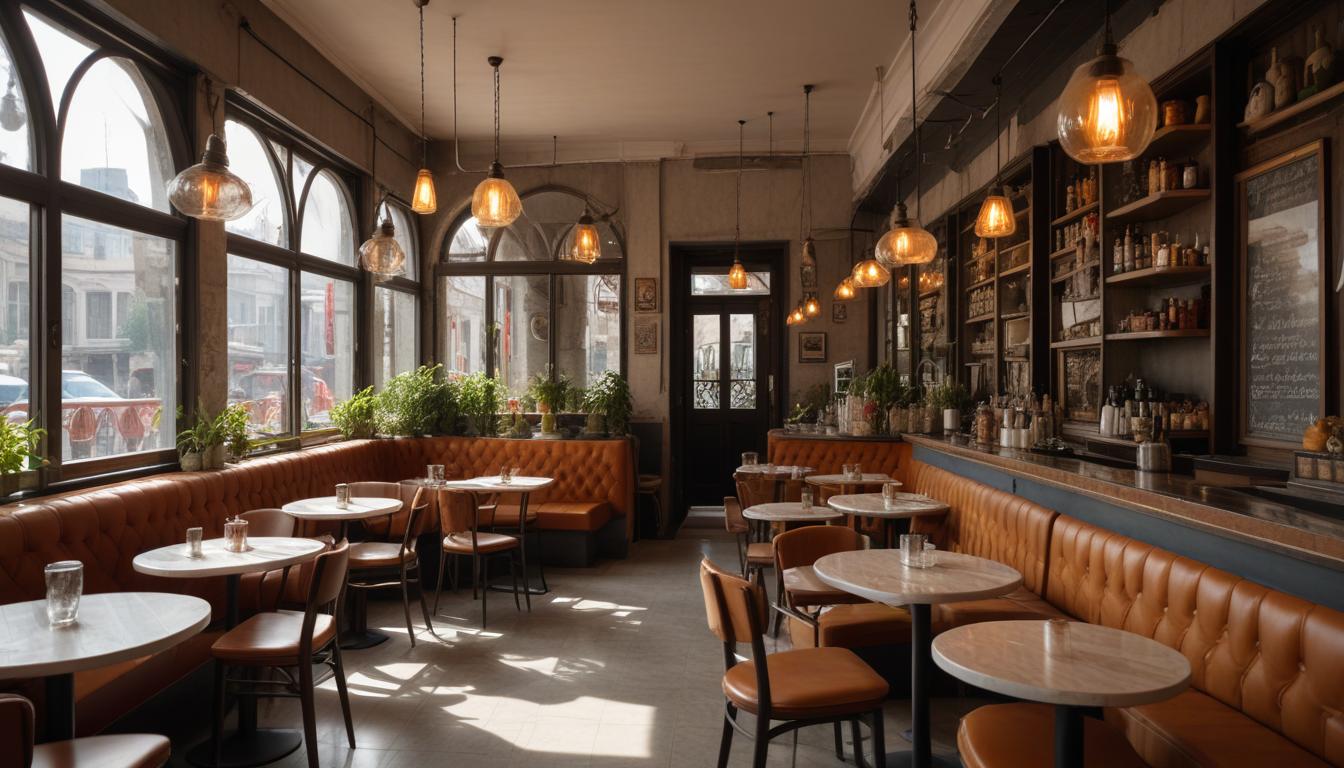
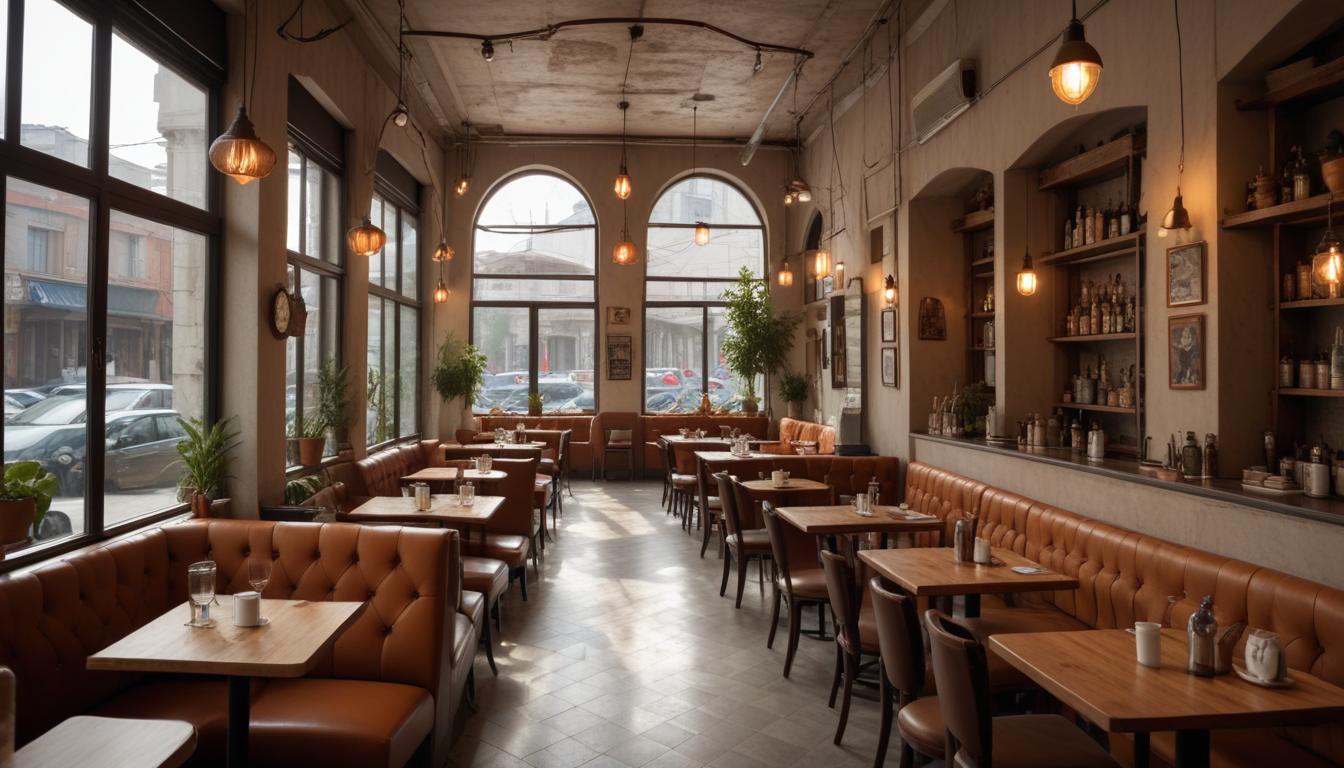
Equally significant is the regeneration of Galata Waterfront. The once-neglected industrial stretch between Karakӧy and Unkapanı has emerged as Istanbul's answer to urban waterside leisure. Open-air galleries, weekend markets, and casual dining venues now occupy renovated warehouse spaces. Weekend foot traffic in the area has increased by roughly 35% according to local business associations, with young professionals and families discovering what residents in Kadıköy have long known: that the Bosphorus itself is the city's most underutilised amenity.
The pricing sweet spot matters too. A weekend brunch in Galata now averages 180–250 Turkish lira per person—reasonable for central Istanbul—while Kadıköy's Moda neighbourhood offers comparable quality at similar costs. This accessibility has democratised what were once exclusive Friday-night rituals.
Perhaps most tellingly, the newly opened Miniaturk Heritage Trail connecting traditional Ottoman gardens has created a walkable heritage circuit without requiring cars. Locals increasingly structure Saturday mornings around these restored public spaces rather than queuing at museum entrances.
The shift reflects a broader European trend: cities investing in walkability and public transport to reclaim weekend culture from suburban shopping malls and gated resort compounds. Istanbul's particular advantage is geography—the Bosphorus, historic neighbourhoods, and accessible countryside converge within the metropolitan area. Better infrastructure simply needed to catch up to that potential.
For residents exhausted by pandemic-era staycations, these changes feel liberating. The weekend is no longer about endurance or escape; it's genuinely leisurely again.
This article was compiled by AI from the sources linked above and screened before publishing. See our editorial standards.
How does this story make you feel?
Spread the word
About this article
Published by The Daily Istanbul
Daily brief
Free, in your inbox before 7am. Weekdays.
More in lifestyle