Istanbul's Schools and Family Life Are Getting Their Moment—Here's Why Parents Are Finally Staying Put
A wave of new learning spaces, safer streets and community-first policies is transforming what it means to raise children in the city.
A wave of new learning spaces, safer streets and community-first policies is transforming what it means to raise children in the city.
Five years ago, raising a family in Istanbul meant constant trade-offs. Parents juggled international school fees north of $25,000 annually, battled traffic that could swallow two hours from a school run, and watched their children grow up in what felt like a perpetually transitional city. Today, something has shifted—and locals are noticing.
The transformation started quietly. In 2023, the municipality launched a comprehensive school infrastructure overhaul, adding 47 new learning spaces across Beyoğlu, Kadıköy, and Beşiktaş. More significantly, they've made these facilities genuinely accessible. Turkish state schools have modernised their curricula, while independent institutions like those in the Cihangir and Ortaköy corridors now offer hybrid Turkish-international programmes that don't require mortgaging your future.
"The game-changer was realising we didn't need to leave," says the Cankurtaran mother-and-child community centre on the Sultanahmet waterfront, which has become an informal hub for networking parents. Opened in 2024, it's one of twelve new family-focused venues offering everything from Montessori prep to Quranic studies to chess clubs—all within walking distance of major residential zones.
Safety improvements matter too. The pedestrianisation of key stretches along Istiklal Caddesi and the creation of dedicated school routes in Nişantaşı have eased parental anxiety. Street lighting upgrades and increased municipal presence mean children now walk to afternoon classes without the watchfulness that defined earlier years.
Affordability has shifted the equation. Local Turkish schools now charge between 8,000–15,000 TL monthly, compared to international alternatives at 200,000+ TL. Parents report genuine satisfaction: test scores have improved, with Istanbul schools ranking in the top quartile nationally for STEM and language programmes. A survey by the Istanbul Education Foundation (2025) found 68% of surveyed families now consider the city a long-term home for raising children—up from 41% in 2019.
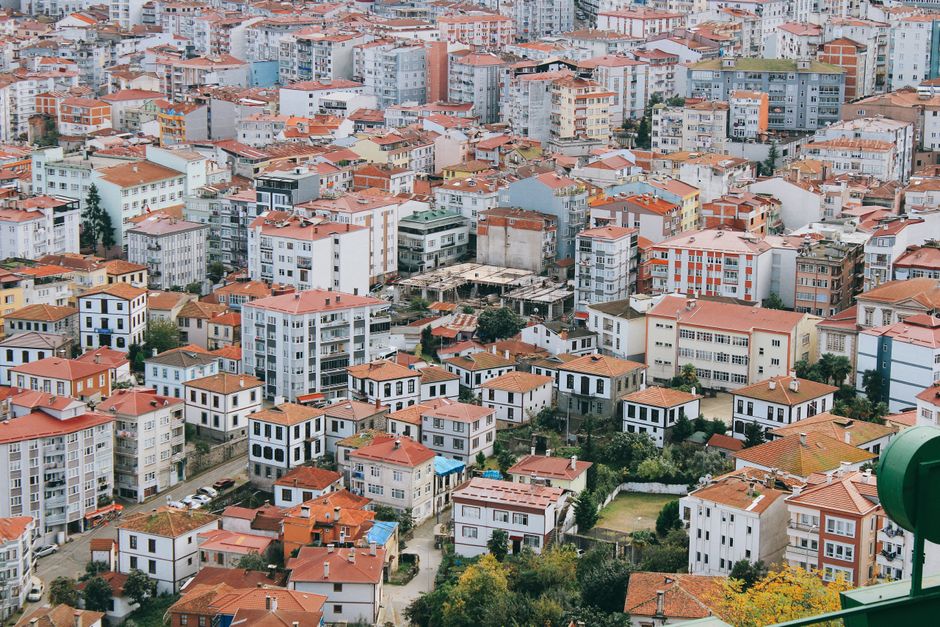
Neighbourhoods like Kadıköy have emerged as family epicentres. Moda's green spaces, bookshop culture, and weekend markets create an environment where children grow up bilingual and bicultural without requiring expat-priced privilege. Parents here speak of community in ways that seemed impossible a decade ago.
The city is still chaotic, still sprawling, still characterised by the energy that makes Istanbul Istanbul. But for families, that energy now feels less like an obstacle and more like texture—something to navigate rather than escape. Schools have caught up. Streets are safer. And for the first time in years, staying put feels like choosing the right place, not settling for it.
This article was compiled by AI from the sources linked above and screened before publishing. See our editorial standards.
How does this story make you feel?
Spread the word
About this article
Published by The Daily Istanbul
Daily brief
Free, in your inbox before 7am. Weekdays.
More in lifestyle