When night falls across Istanbul, the city transforms into something that confounds every international nightlife playbook. Unlike the rigid club hierarchies of Berlin, the bottle-service excess of Miami, or the karaoke-centric energy of Tokyo, Istanbul's after-dark scene operates on an entirely different frequency—one shaped by geography, culture, and an almost defiant refusal to choose between tradition and modernity.
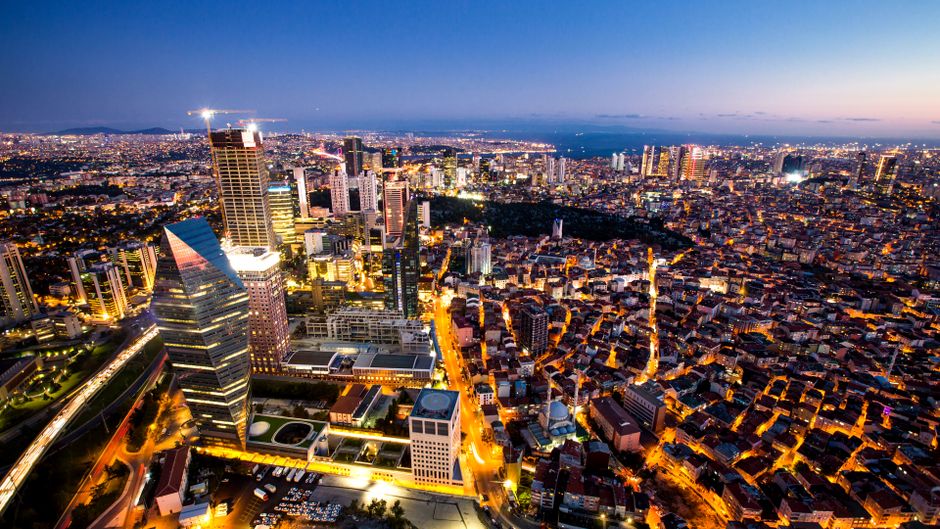
The secret lies partly in what makes Istanbul geographically singular: a city straddling continents, where the Bosphorus serves not as a dividing line but as a backdrop for evening entertainment. Head to the rooftop bars dotting Beyoğlu's narrow streets—venues like those clustered around Asmalı Mescit and Taksim—and you're simultaneously watching the Asian shoreline light up while nursing a rakı or craft cocktail. This geographical duality simply doesn't exist in other major cities. You're never just in one place; you're always aware of being between worlds.
But the true distinction emerges in how Istanbulites socialize. While Western cities compartmentalize nightlife into distinct categories—clubs for dancing, bars for drinking, lounges for conversation—Istanbul blends them seamlessly. A single evening in Galata's winding streets might involve sitting at a traditional meyhane (where a bottle of wine costs 200-400 Turkish liras), sharing meze plates across long wooden tables with strangers, then transitioning into a late-night rooftop venue where electronic music pulses beneath stars. This fluidity is cultural DNA, not commercial strategy.
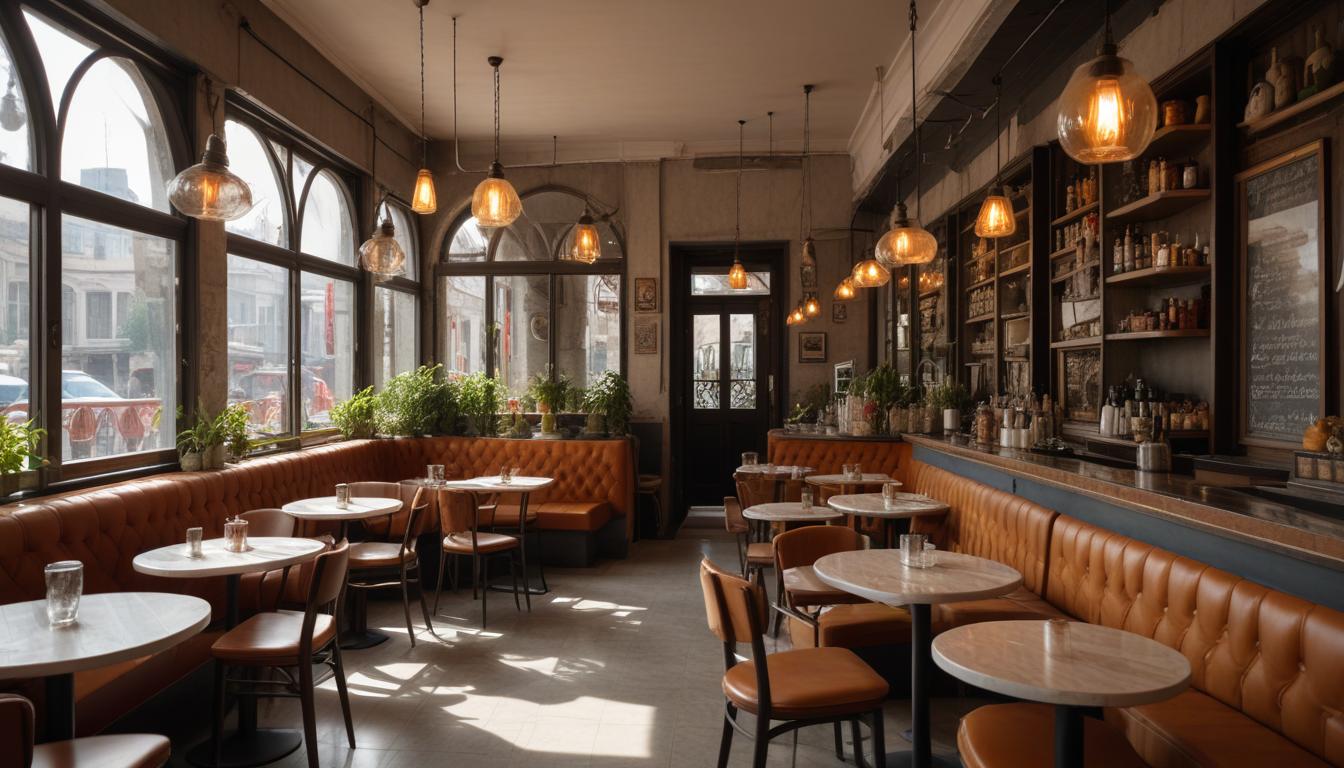
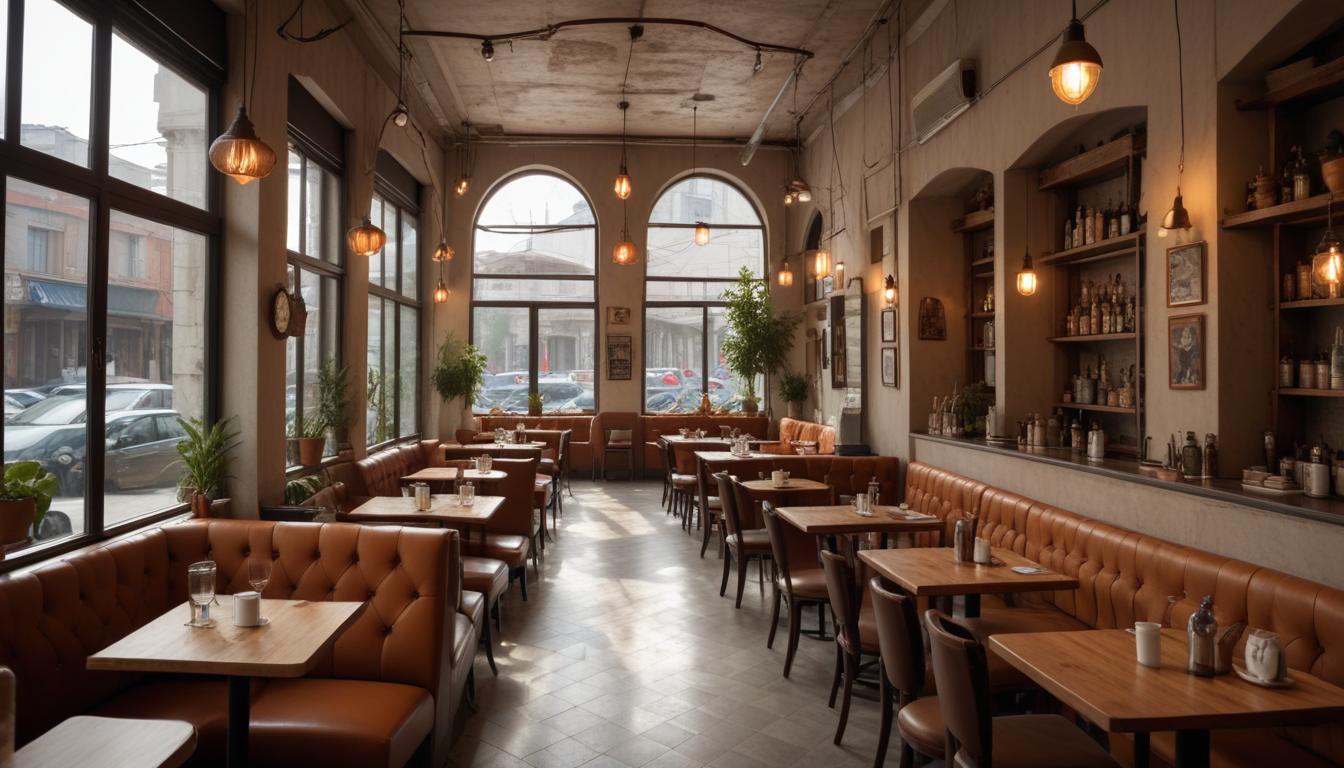
The mezehouse culture particularly sets Istanbul apart from global comparisons. These aren't bars in the Western sense; they're social institutions where generations gather. Unlike London's gastropubs or New York's cocktail lounges—designed for efficiency and Instagram moments—meyhanes in neighborhoods like Balat and Fener operate on a different temporal logic. Arriving at 11 PM means staying until 3 or 4 AM, with no pressure. The evening unfolds organically, shaped by conversation and connection rather than playlist rotation.
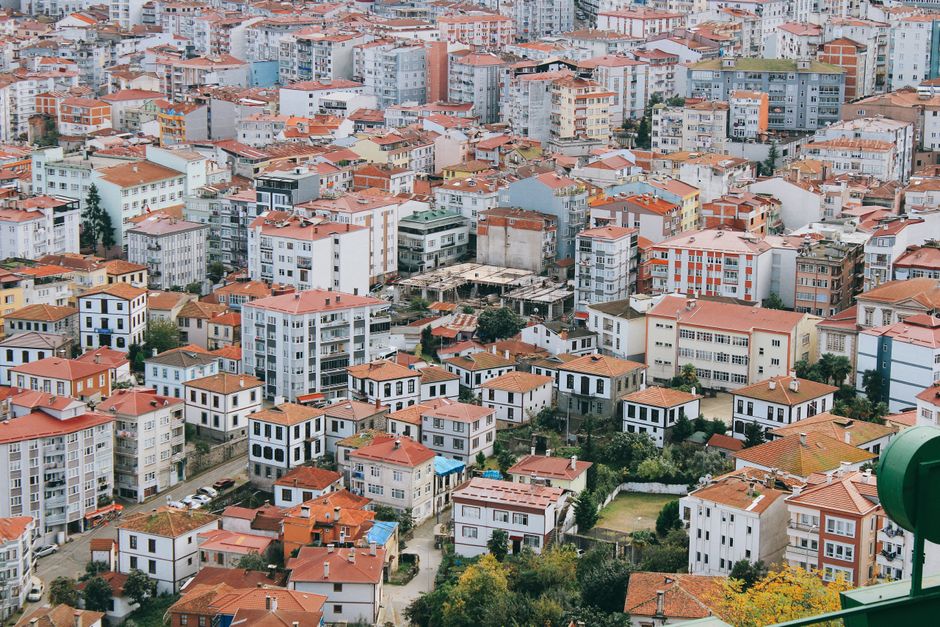
Then there's the geographic equity. Unlike cities where nightlife clusters in one or two districts, Istanbul's social energy disperses across multiple neighborhoods, each with distinct character. Ortaköy offers waterfront sophistication; Karakӧy pulses with emerging venues; Cihangir maintains bohemian authenticity; Bebek caters to a different demographic entirely. This distribution means Istanbul's nightlife scene avoids the monoculture trap that homogenizes scenes elsewhere.
The price point matters too. A night out remains relatively accessible—cocktails average 100-200 liras in upscale venues, beer at neighborhood spots costs 50-80 liras—meaning nightlife isn't gated behind wealth in ways that exclude Istanbulites themselves. The scene remains genuinely local, not primarily designed for tourists.
In an increasingly homogenized world where global cities copy each other's templates, Istanbul's nightlife remains stubbornly, beautifully itself.
This article was compiled by AI from the sources linked above and screened before publishing. See our editorial standards.