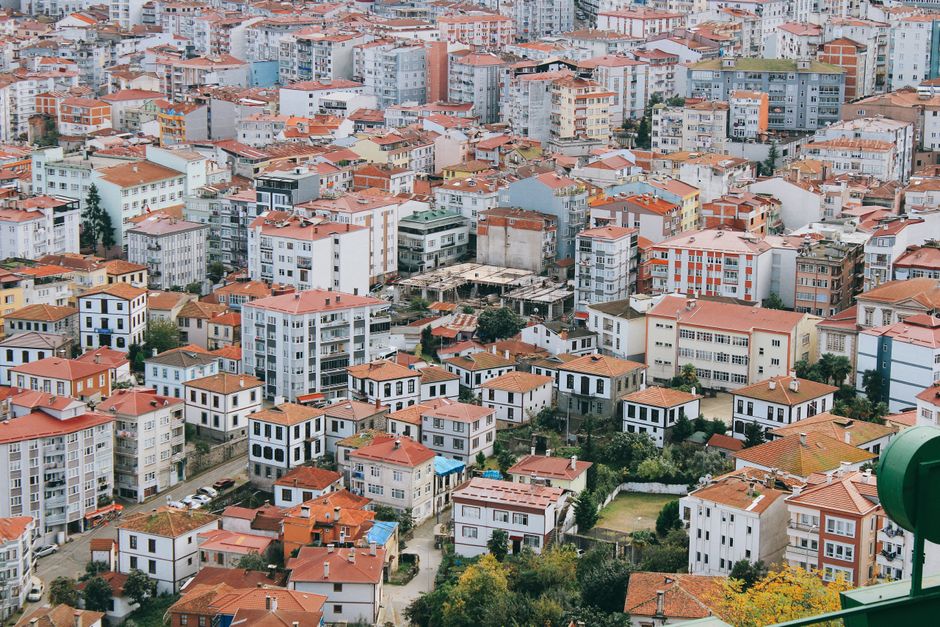
Why Istanbul Stands Apart: What Expat Newcomers Need to Know
Unlike any other global city, Istanbul's unique geography, culture and pace offer expats a singular experience—but one that demands intentional adjustment.
Unlike any other global city, Istanbul's unique geography, culture and pace offer expats a singular experience—but one that demands intentional adjustment.

Moving to a new city is always disorienting. But Istanbul presents a particular kind of dislocation that sets it apart from other major expat hubs worldwide.
The most obvious distinction is geographic: Istanbul is literally split across two continents. The Golden Horn divides the European and Asian sides, and your daily commute might involve crossing the Bosphorus—a working strait that shapes everything from traffic patterns to neighbourhood character. Unlike London, Paris or Singapore, where you can reasonably navigate the entire city without major water crossings, Istanbul demands a different spatial literacy. Newcomers arriving in Beyoğlu on the European side often find the Asian neighbourhoods of Üsküdar or Kadıköy feel like entirely separate cities, accessible but demanding intentionality.
This geography feeds into what makes Istanbul's lifestyle profoundly different: the layering of time itself. Walking through Balat's Ottoman-era wooden houses or the Byzantine cisterns beneath Sultanahmet, you're navigating centuries simultaneously—something less visceral in cities that rebuilt themselves post-industrial. That historical density creates a rhythm unfamiliar to expats accustomed to New York, Dubai or Sydney's future-forward energy.
Pricing also diverges sharply from comparable global cities. A one-bedroom apartment in central Beyoğlu runs roughly 15,000-22,000 Turkish lira monthly (approximately $450-650 USD), while Kadıköy, the artsy Asian hub, averages 12,000-18,000 lira. These figures remain substantially lower than Toronto, Barcelona or Berlin—a fact that attracts digital nomads and career-changers. Yet the cost advantage can obscure deeper adjustment challenges around neighbourhoods, bureaucracy and service standards.
The social infrastructure differs markedly too. Istanbul lacks the formalised expat integration frameworks common in Singapore or Dubai. There's no official expat orientation; integration happens through chance encounters at cafés in Cihangir, language exchanges at local universities, or the sprawling Facebook groups where thousands crowdsource visa advice and plumber recommendations nightly.
Perhaps most distinctly, Istanbul operates on a negotiation culture that confounds newcomers from rule-based societies. Whether arranging apartment leases, navigating municipal services or haggling at the Grand Bazaar, success requires embracing ambiguity and relationship-building—skills less essential in cities with standardised processes.
For expats relocating from North America or Northern Europe, this unfamiliarity can feel refreshing or exhausting—often both simultaneously. Istanbul rewards those willing to surrender control, embrace improvisation, and accept that a city straddling two continents will never quite fit the templates of elsewhere.
This article was compiled by AI from the sources linked above and screened before publishing. See our editorial standards.
How does this story make you feel?
Spread the word
About this article
Published by The Daily Istanbul
Daily brief
Free, in your inbox before 7am. Weekdays.
More in lifestyle