The Faces Behind Istanbul's Soul: Meet the Neighbourhood Guardians Making This City Home
From Balat's restoration artists to Kadıköy's community organisers, Istanbul's most compelling stories belong to those quietly shaping the city's future.
From Balat's restoration artists to Kadıköy's community organisers, Istanbul's most compelling stories belong to those quietly shaping the city's future.
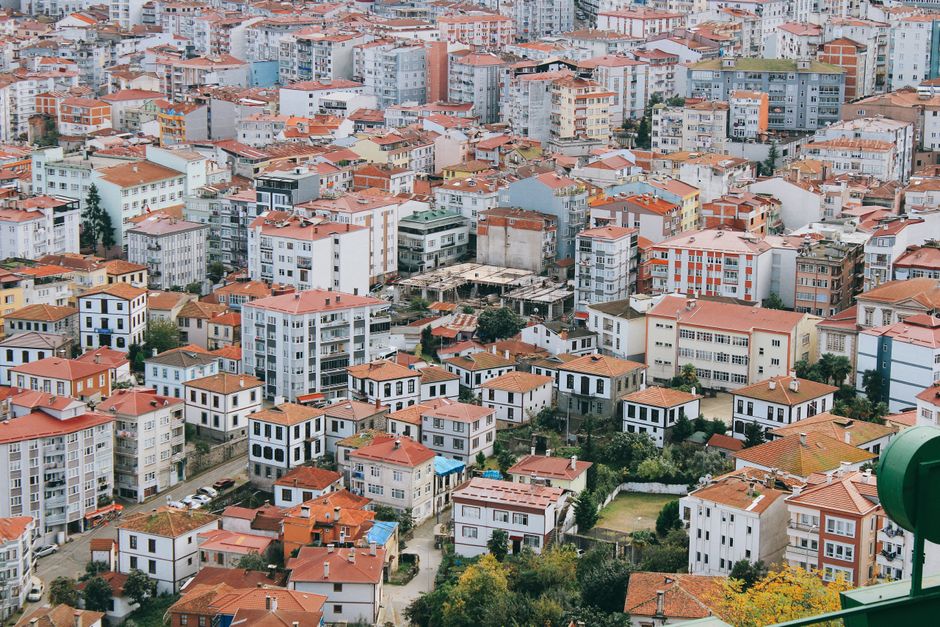
Walk through the narrow lanes of Balat on a Saturday morning, and you'll encounter something increasingly rare in Istanbul's rapidly transforming landscape: people who have chosen to stay, to invest, and to nurture their neighbourhoods deliberately. The cobblestone streets, painted in jewel tones of ochre and turquoise, are being revitalised not by property developers but by independent artisans, café owners, and preservationists who view their corner of the city as a responsibility rather than a commodity.
This phenomenon stretches across Istanbul's most vibrant quarters. In Kadıköy, community cooperatives have emerged as powerful social anchors. The neighbourhood's transformation from a working-class district into a cultural hub hasn't erased its soul—instead, local organisers have ensured that alongside the craft breweries and independent bookshops, affordable housing initiatives and neighbourhood associations maintain continuity for long-term residents. The Kadıköy Municipality's recent investment in public spaces reflects this collaborative ethos, with residents actively participating in neighbourhood planning decisions.
Across the Golden Horn in Beyoğlu, a different but equally compelling narrative unfolds. Beyond the tourist-dense Istiklal Street, in the side streets around Galata Tower, small business owners and cultural workers have created micro-communities that resist homogenisation. Antique dealers, independent gallery curators, and family-run restaurants operate as informal knowledge-keepers, maintaining neighbourhood memory against gentrification pressures that have reshaped much of central Istanbul over the past decade.
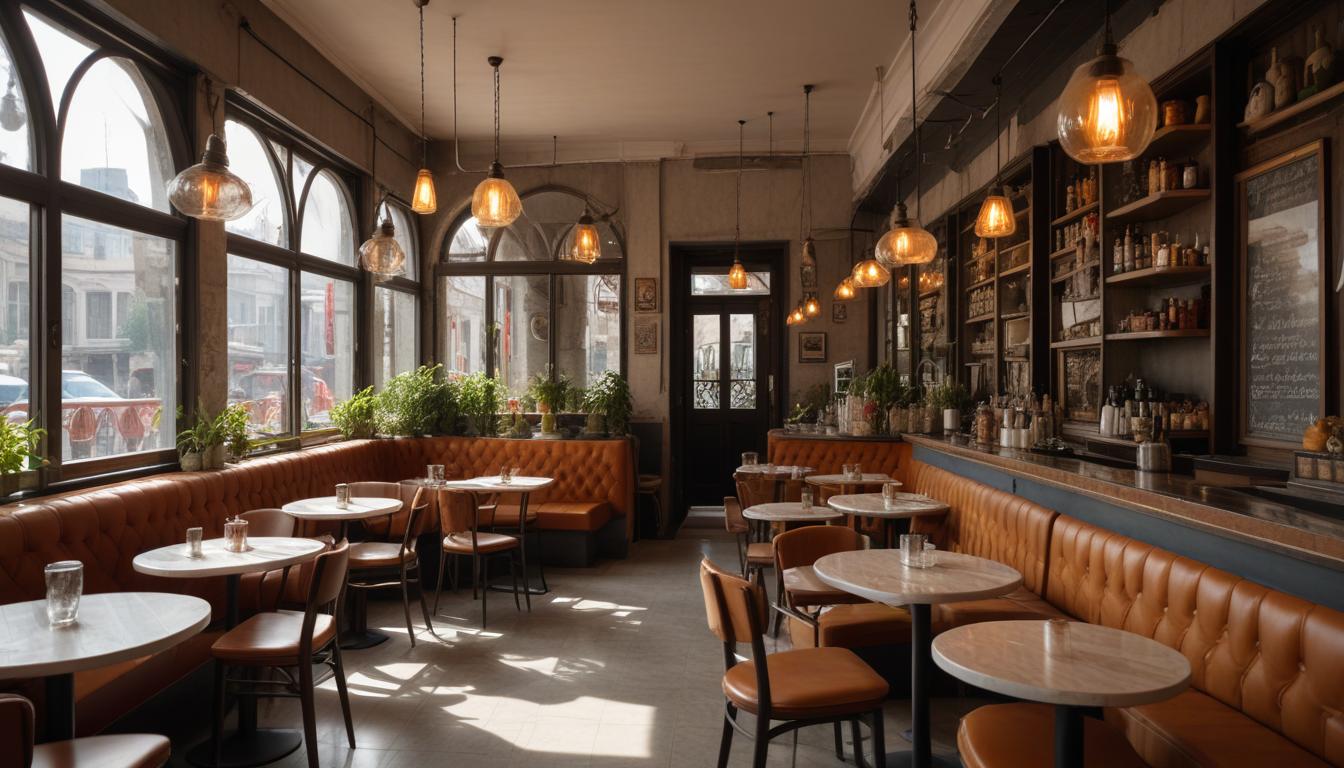
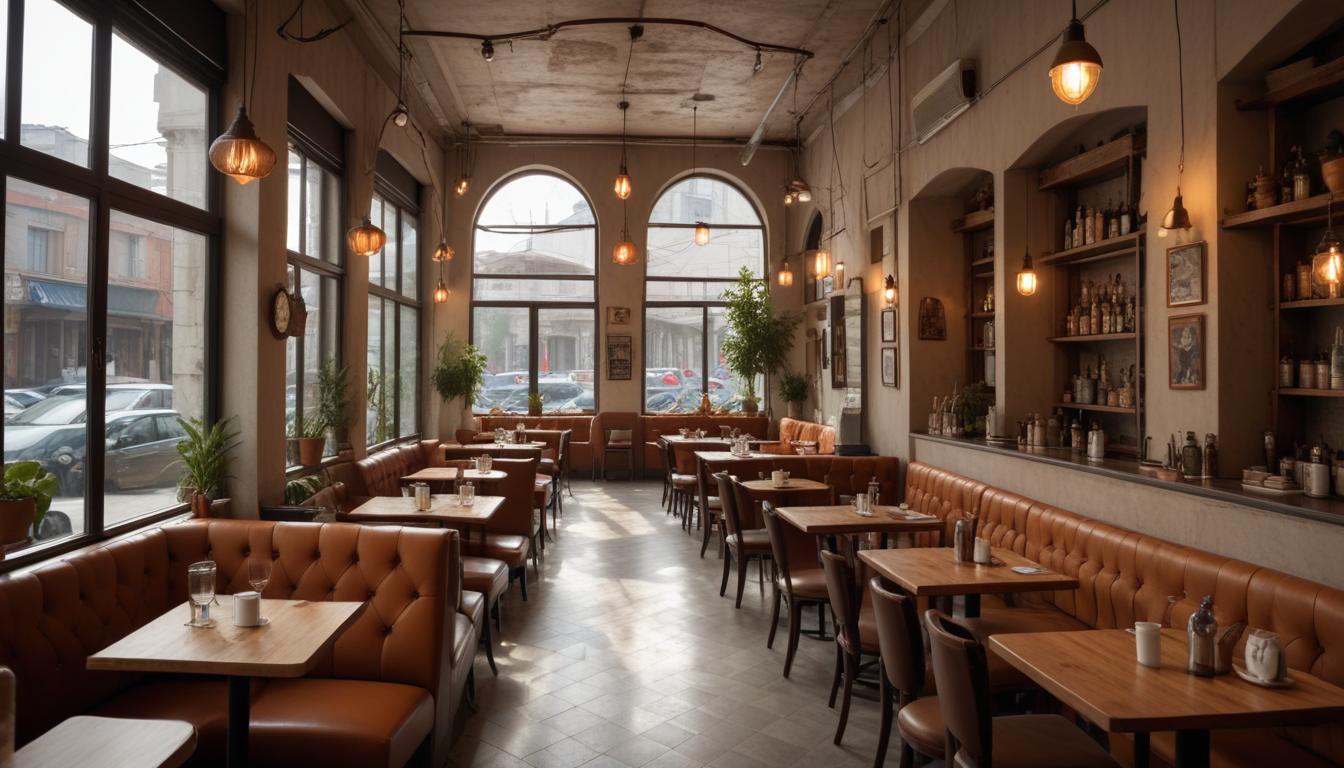
The true heartbeat of these neighbourhoods reveals itself in unglamorous moments: the regular patrons at decades-old çay gardens, the volunteer-run libraries in converted storefronts, the street-corner communities that gather daily. These aren't tourist attractions or Instagram moments. They represent the quotidian infrastructure of belonging that distinguishes a neighbourhood from merely another real-estate node in a sprawling megacity.
Istanbul's population exceeds 15 million, yet its most distinctive identity emerges from localised networks rather than grand institutions. The people who choose to root themselves in specific streets—opening small businesses, raising families, investing in community gardens, maintaining family trades across generations—are the ones who ultimately define what these neighbourhoods mean.
As Istanbul continues its rapid evolution, these neighbourhood stewards face mounting pressure. Property values in areas like Balat and Kadıköy have surged, attracting investment capital that threatens to displace the very communities that restored these areas' cultural cachet. Yet these individuals persist, suggesting that perhaps a city's greatest wealth lies not in its skyline but in the faces you encounter on daily walks—and their stubborn commitment to staying put.
This article was compiled by AI from the sources linked above and screened before publishing. See our editorial standards.
How does this story make you feel?
Spread the word
About this article
Published by The Daily Istanbul
Daily brief
Free, in your inbox before 7am. Weekdays.
More in lifestyle