On a Tuesday morning in Ortaköy, a converted Ottoman mansion overlooking the Bosphorus has transformed into something unexpected: a parent-led learning collective where fifteen children aged four to seven gather for project-based education. This is one of dozens of alternative schooling initiatives that have quietly reshaped family life across Istanbul's most vibrant neighbourhoods over the past three years.
The shift reflects a broader pattern. According to Istanbul Municipality's education bureau, approximately 18% of school-age children now attend private or cooperative educational settings—up from 9% in 2021. But these aren't the elite international schools of decades past. They're hyperlocal experiments, often run by parents themselves, embedded within the city's historic fabric.
In Cihangir, where historic apartment buildings line narrow streets descended toward Galata, three mothers—a graphic designer, a translator, and a former banker—established a cooperative nursery five years ago after struggling with Istanbul's expensive traditional daycare options, which average ₺15,000 monthly. Their model now operates across four neighbourhoods, with families rotating leadership responsibilities and sharing costs. "We wanted our children to know their neighbours, to play in actual streets, not sanitised indoor playrooms," explains one co-founder, who notes the arrangement costs families roughly 40% less than conventional options.
The phenomenon extends beyond education. Bebek's leafy, tree-lined avenues have become epicentres for parent-organised activities: weekend farmer's markets in Kuruçeşme Park, collaborative sports groups meeting at the Rumeli Hisarı waterfront, and informal skill-sharing networks where parents teach everything from traditional Turkish cooking to coding fundamentals.
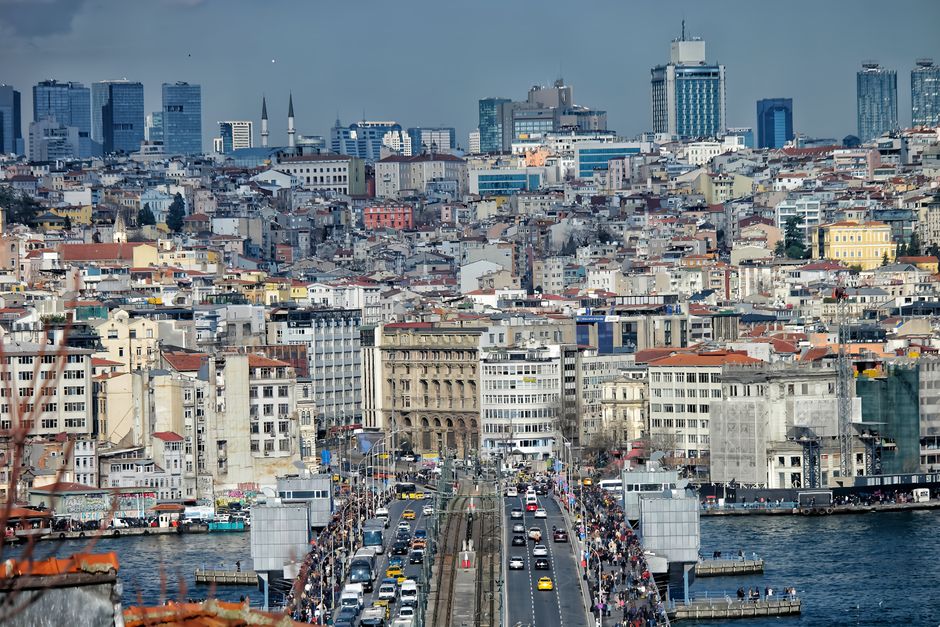
What makes this significant isn't merely the economics, though affordability drives participation. It's the reclamation of neighbourhood identity. Istanbul, sprawling across two continents with over 15 million residents, can feel anonymous. Yet within Şişli, Beşiktaş, Üsküdar, and smaller quarters like Arnavutköy, parents are deliberately constructing tight-knit communities around child-rearing—spaces where children encounter real commerce, cultural diversity, and intergenerational relationships.
This June, Istanbul's Family and Social Services office documented over 340 parent-led initiatives citywide, from informal playgroups to structured educational cooperatives. Many operate on digital platforms—WhatsApp groups, Instagram community pages—yet insist on face-to-face, neighbourhood-based activities.
The movement reflects deeper anxieties about urban childhood: screen time, traffic congestion, cultural displacement. But it also reveals something distinctly Istanbul: an ancient city where families are deliberately choosing to slow down, to know their streets again, and to raise children who understand their place not in some abstract metropolis, but in their specific, irreplaceable neighbourhood.
This article was compiled by AI from the sources linked above and screened before publishing. See our editorial standards.