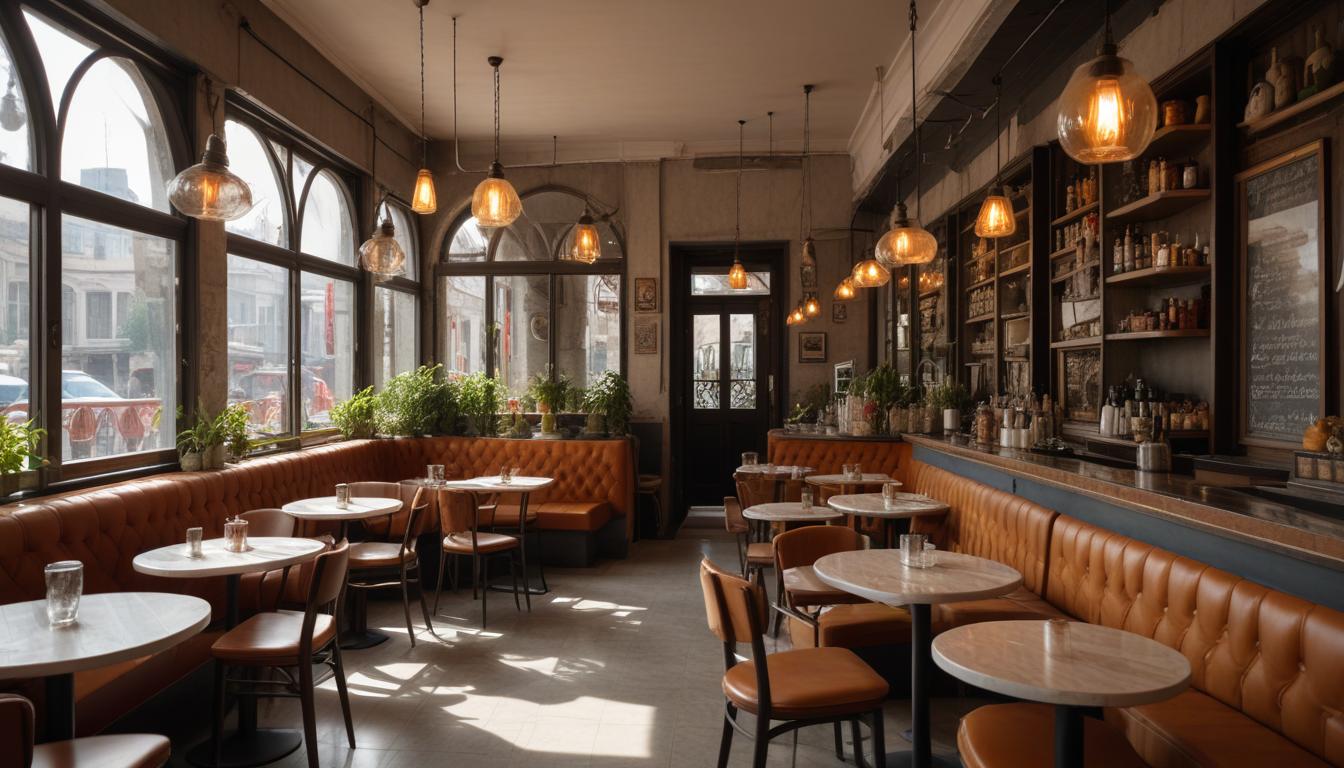
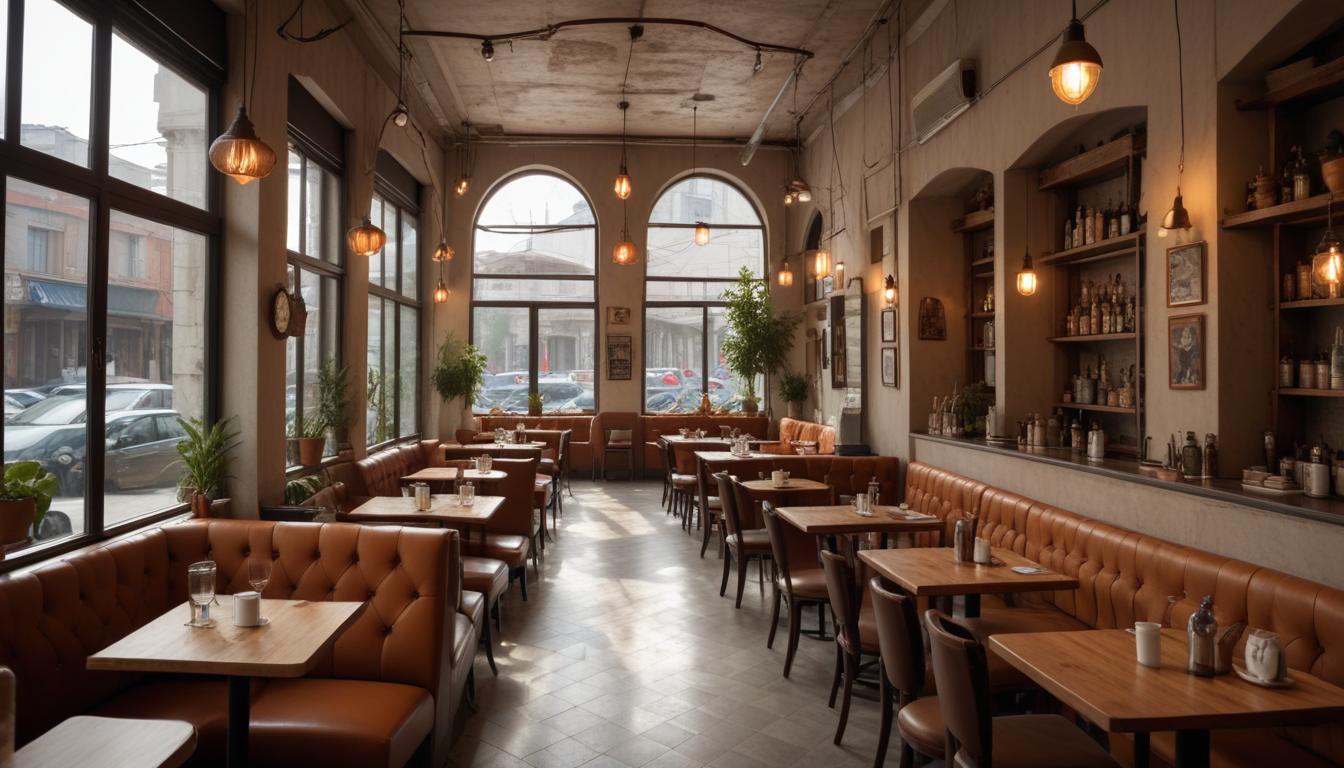
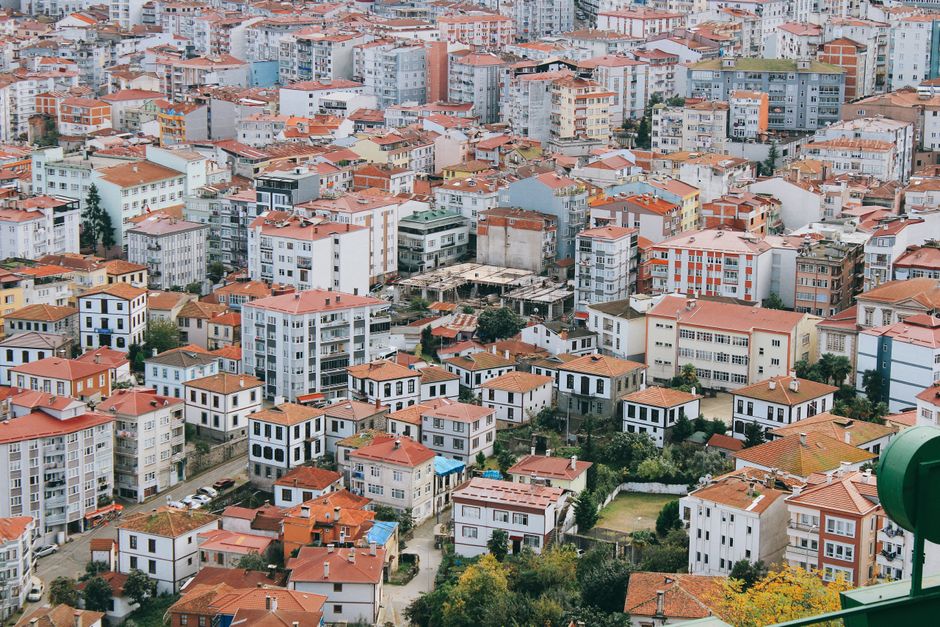
Walk down İstiklal Caddesi on any Friday night and you'll notice something has shifted in Beyoğlu. The neighbourhood that built its identity on packed meyhanes and late-night kebab stands is quietly undergoing a transformation—one that reflects broader changes in how Istanbul's younger professionals socialise.
The numbers tell part of the story. According to data from the Istanbul Chamber of Commerce, new bar and lounge openings in Beyoğlu have increased 34% since 2024, with a notable trend toward higher-end venues. Yet simultaneously, foot traffic in traditional taverns has declined by roughly 18% over the same period. What's driving this shift?
"People want experiences now, not just alcohol," says the owner of a recently opened cocktail bar in the Galata backstreets, speaking generally about industry trends. Venues along Asmalımescit and the quieter lanes branching toward Galata Tower have begun emphasising artisanal preparation, curated wine lists, and intimate settings. Entry-level cocktails now hover around 120-150 Turkish lira, a significant jump from the 40-60 lira standard of five years ago.
The shift extends beyond beverages. Live music venues have proliferated—particularly jazz clubs and indie performance spaces in converted townhouses. The Galata Cultural Association reports hosting 40% more musical events than in 2024, with programming now spanning Turkish folk, contemporary jazz, and international artists. Rooftop bars overlooking the Golden Horn have also proliferated, capitalising on Istanbul's summer season.
But this evolution isn't without tension. Long-time residents and business owners worry about gentrification eroding Beyoğlu's bohemian character. The neighbourhood's student population—historically a pillar of its identity—has migrated toward cheaper areas in Fatih and Eyüp. Rents in prime Beyoğlu locations have nearly doubled in two years.
Social spaces are adapting too. Board game cafés, craft beer taprooms, and wellness-focused venues offering zero-alcohol options have gained unexpected traction, suggesting nightlife is broadening beyond traditional drinking culture. Several venues now host themed community nights, book clubs, and networking events, reflecting a desire for socialising that serves multiple purposes.
The transformation mirrors global trends but remains distinctly Istanbul. The neighbourhood maintains its anarchic energy—you can still stumble onto impromptu street performances or stumble between wildly different atmospheres within metres. But the days of Beyoğlu as purely a raucous escape seem to be ending. What's emerging is messier to categorise: more intentional, more expensive, and decidedly more plural in what "nightlife" means.
For now, old and new coexist. But as summer season peaks and tourists return, Beyoğlu's reinvention will be worth watching.
This article was compiled by AI from the sources linked above and screened before publishing. See our editorial standards.