The Faces Behind Istanbul's Neighbourhoods: How Communities Keep This City Alive
From Balat's heritage craftspeople to Kadıköy's social entrepreneurs, we meet the people reshaping Istanbul's urban landscape.
From Balat's heritage craftspeople to Kadıköy's social entrepreneurs, we meet the people reshaping Istanbul's urban landscape.
Walk through Balat on a Tuesday morning and you'll find Mehmet Demir, a third-generation bookbinder, hunched over his restoration table on Karagümrük Street. His fingers move with practised precision across leather spines, each movement a quiet defiance against the neighbourhood's rapid gentrification. "I've watched this street transform completely," Mehmet says of the once-neglected district that now attracts tourists and young professionals. Yet artisans like him remain anchored here, their businesses becoming cultural anchors amidst climbing rents.
The story repeats across Istanbul's most vibrant quarters. In Kadıköy, the neighbourhood's social fabric is being rewoven by community organisers and small business owners who've chosen to stay rather than relocate across the Golden Horn. The district's weekly farmer's market, established in 2019, now hosts over 150 vendors and attracts approximately 15,000 shoppers. It's become more than commerce—it's become community infrastructure.
What makes these neighbourhoods resilient isn't the glossy cafés or Instagram-worthy street art, though both exist in abundance. It's the people who've invested their lives here: the retired teacher who runs a free tutoring centre for refugee children in Şişli, the collective kitchen cooperative in Cihangir where women from seven different countries prepare meals together twice weekly, the local environmental group in Beşiktaş fighting to preserve green spaces along the Bosphorus.
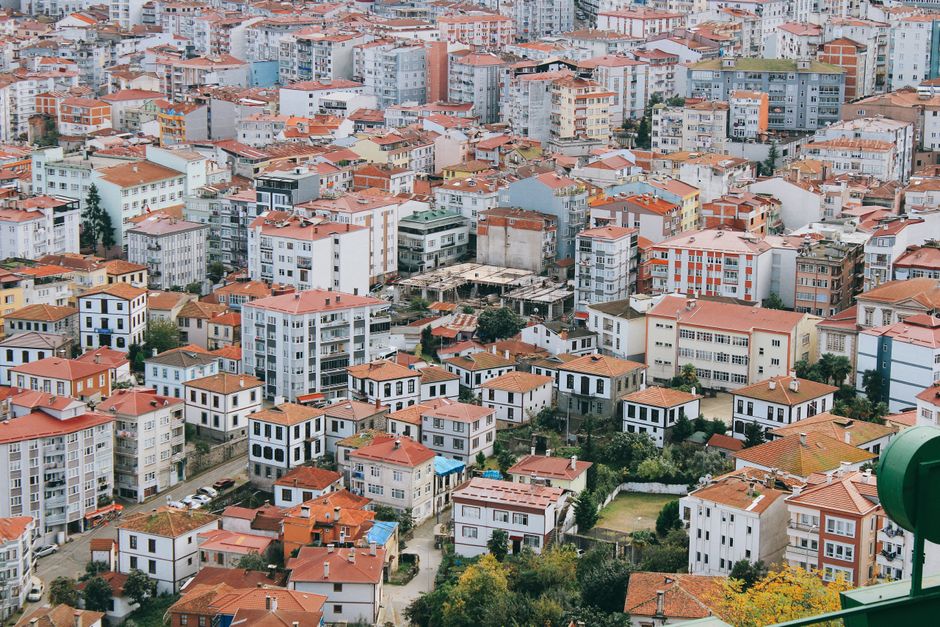
Istanbul's population exceeds 15 million, making it one of Europe's largest cities. Yet its most magnetic neighbourhoods—Beyoğlu, Üsküdar, Fatih—function as interconnected villages, where relationships matter and where one person's story ripples through the community. These aren't polished narratives. They're marked by tension: the friction between preservation and progress, between traditional commerce and digital startups, between long-time residents and newcomers seeking affordable urban life.
The real Istanbul lives in these contradictions. It lives in the neighbours who organise collective vegetable gardens on rooftops to fight food inflation. It lives in the young entrepreneurs launching social enterprises from cramped apartments in Beyoğlu. It lives in the older generation—the shopkeepers, the street vendors, the neighbourhood matriarchs—who remember Istanbul before the bridges, before the metros, before the global attention.
These are the faces that transform a megalopolis into a home. Understanding Istanbul means understanding them.
This article was compiled by AI from the sources linked above and screened before publishing. See our editorial standards.
How does this story make you feel?
Spread the word
About this article
Published by The Daily Istanbul
Daily brief
Free, in your inbox before 7am. Weekdays.
More in lifestyle