Walk down İstiklal Avenue on a Friday night in 2026, and you'll notice something has shifted. The raucous energy of Beyoğlu's bar scene—once defined by late-night raki sessions and tourist-packed establishments—is undergoing a quiet but unmistakable transformation. The neighbourhood that built its reputation on unbridled hedonism is now curating a more sophisticated, intentional nightlife experience.
The change is visible in the streets themselves. Along Çukurcuma, where vintage furniture shops outnumber bars, a crop of intimate cocktail bars with serious mixology credentials has emerged over the past three years. These venues typically charge 120-180 Turkish lira for craft cocktails—double the price of traditional neighbourhood bars—yet they're drawing crowds of both Istanbul regulars and international visitors seeking an alternative to the megaclubs of Taksim.
"What we're seeing is the professionalization of the scene," explains the growing network of bartender collectives operating across the district. The Istanbul Bar Association, which has formalized training standards for hospitality workers, reports a 34% increase in certified mixologists since 2023, reflecting broader industry shifts toward craft-focused establishments.
Galata's narrow backstreets—particularly around Serdar-i Ekrem Street—have become ground zero for this evolution. Venues here prioritize carefully curated music programming, often featuring live jazz, electronic producers, or vinyl-focused nights rather than commercial pop. Several have implemented reduced capacity policies to preserve acoustic integrity, a stark contrast to the standing-room-only clubs that dominated the previous decade.
Yet traditional Beyoğlu hasn't disappeared entirely. Neighbourhood meyhanes continue operating in pockets of Asmalımescit and around the Balık Pazarı, serving as cultural anchors for older residents and tourists seeking "authentic" Istanbul experiences. The evolution appears less like replacement and more like coexistence—a neighbourhood accommodating multiple nightlife cultures simultaneously.
Pricing data reflects this stratification. While casual neighbourhood bars still serve beer for 40-60 lira, the new wave of concept venues operates at premium price points. This has sparked conversations about gentrification and accessibility within local communities, with some longtime residents expressing concern about the neighbourhood's changing character.
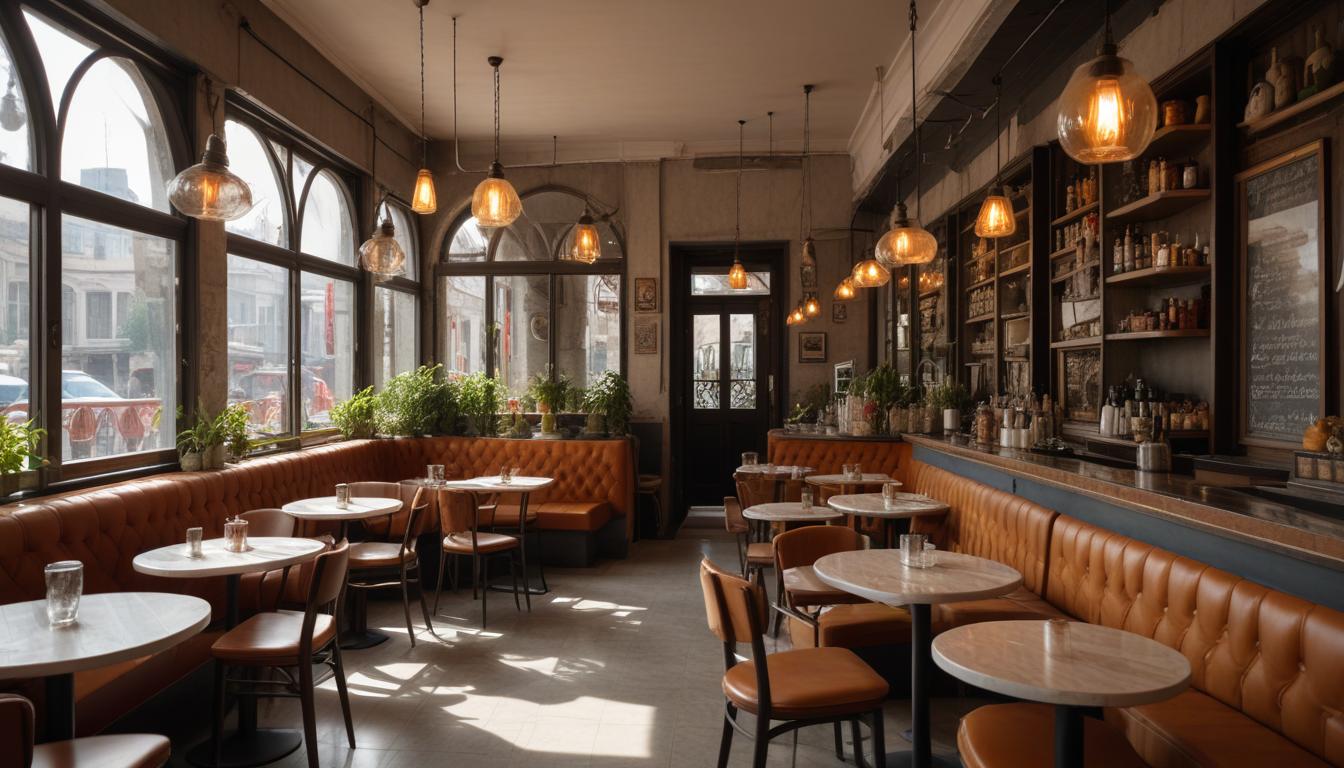
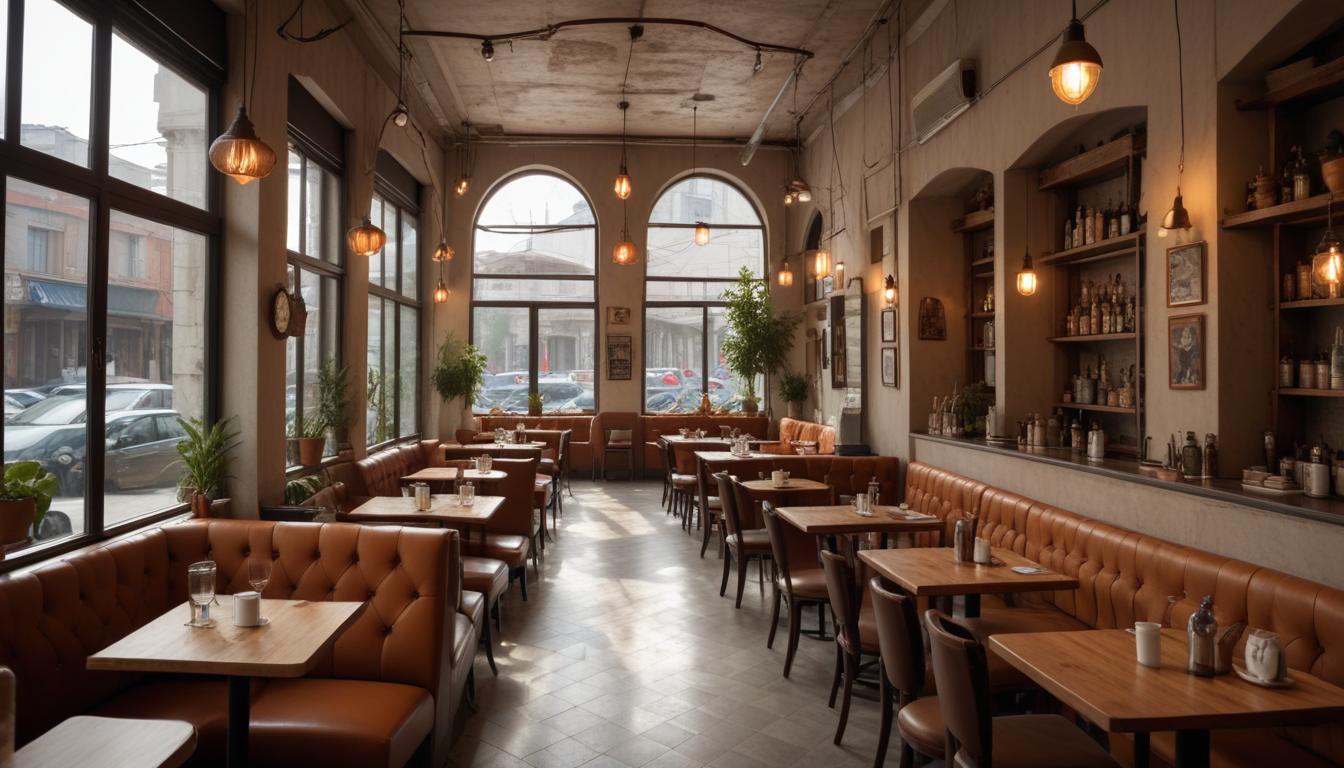
The transformation also extends to daytime culture. Several bars have repositioned themselves as coffee-and-brunch destinations during morning hours, responding to the international trend of multipurpose hospitality spaces. This flexibility represents a fundamental shift in how Beyoğlu venues conceptualize their role in the community.
As June gives way to the intense heat of Istanbul summers, the bar scene continues its evolution—restless, contested, and undeniably energetic.
This article was compiled by AI from the sources linked above and screened before publishing. See our editorial standards.