Walk along Balat's narrow cobbled streets in 2026, and you'll notice something that would have seemed unlikely a decade ago: carefully tended window boxes, newly paved seating areas, and a palpable sense that green space has become central to how residents live here.
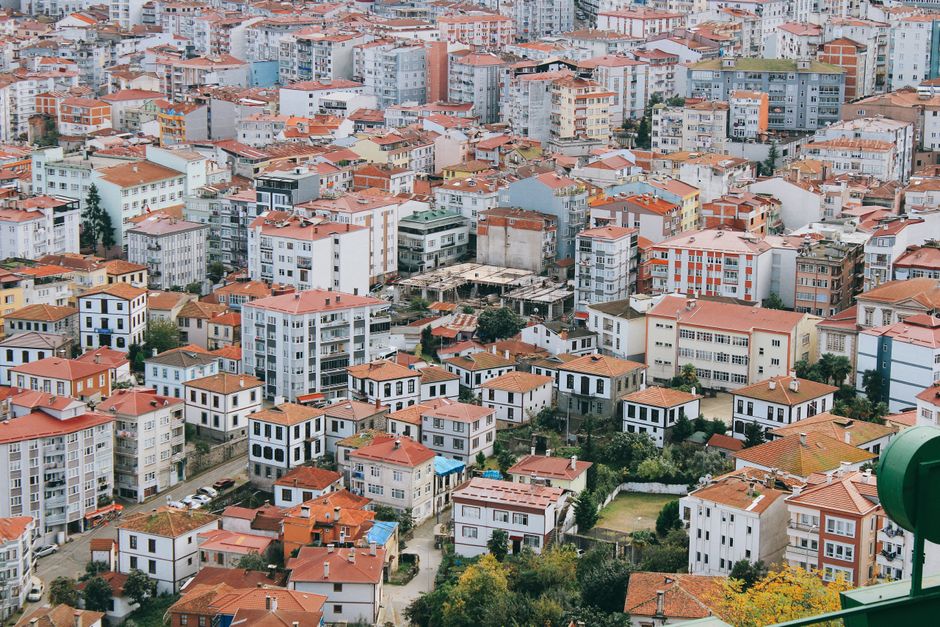
The transformation isn't happening through grand urban renewal schemes. Instead, it's driven by a combination of grassroots initiatives, municipal investment, and changing attitudes towards outdoor living in one of Istanbul's most characterful neighbourhoods. Balat, historically known for its Greek Orthodox heritage and aging Ottoman architecture, has become an unexpected laboratory for urban green thinking.
The catalyst came in 2023, when the local municipality launched its "Balat Bahçeleri" (Balat Gardens) programme, investing approximately 15 million Turkish lira into neighbourhood parks and public spaces. The results are visible everywhere. Balat Park, adjacent to the historic Balat Mosque, has been completely reimagined with native plantings, seating clusters, and what locals call "tea garden" zones—informal outdoor sitting areas that have become social hubs, particularly in early mornings and late afternoons.
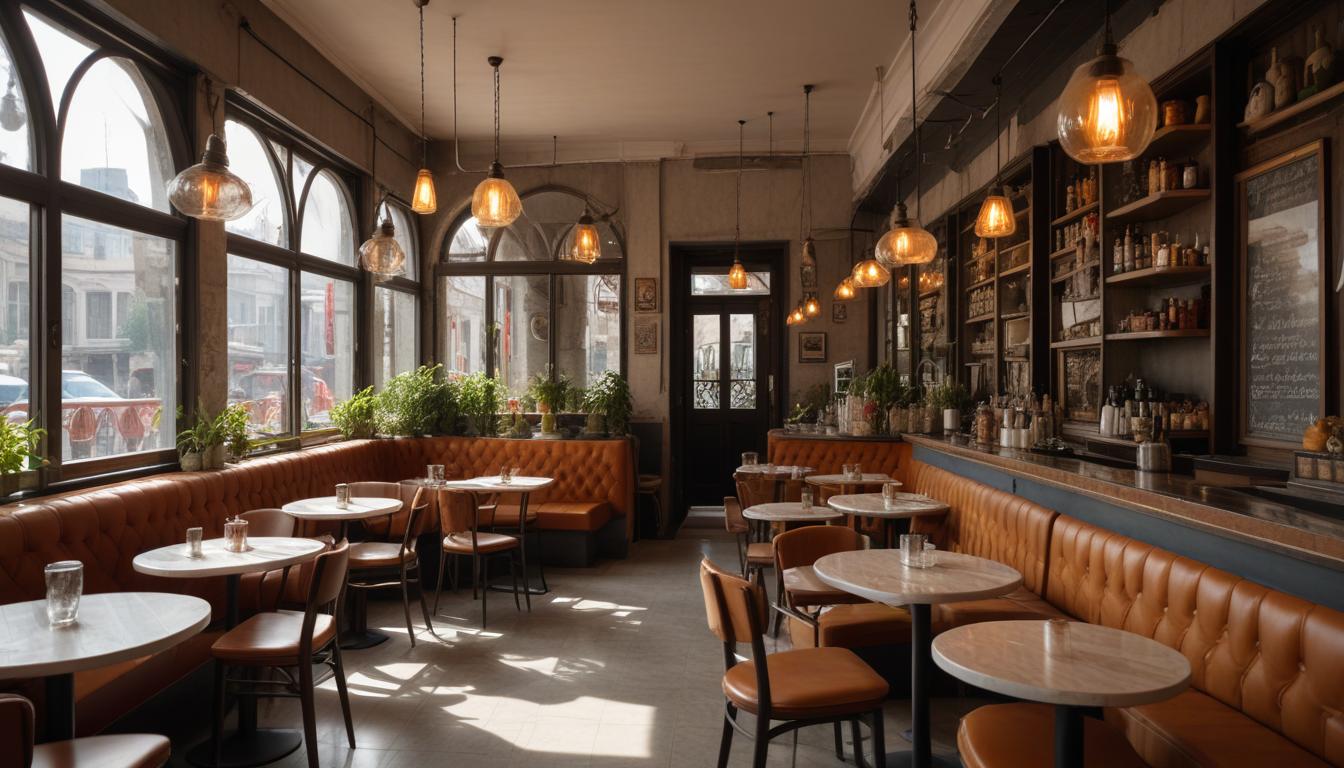
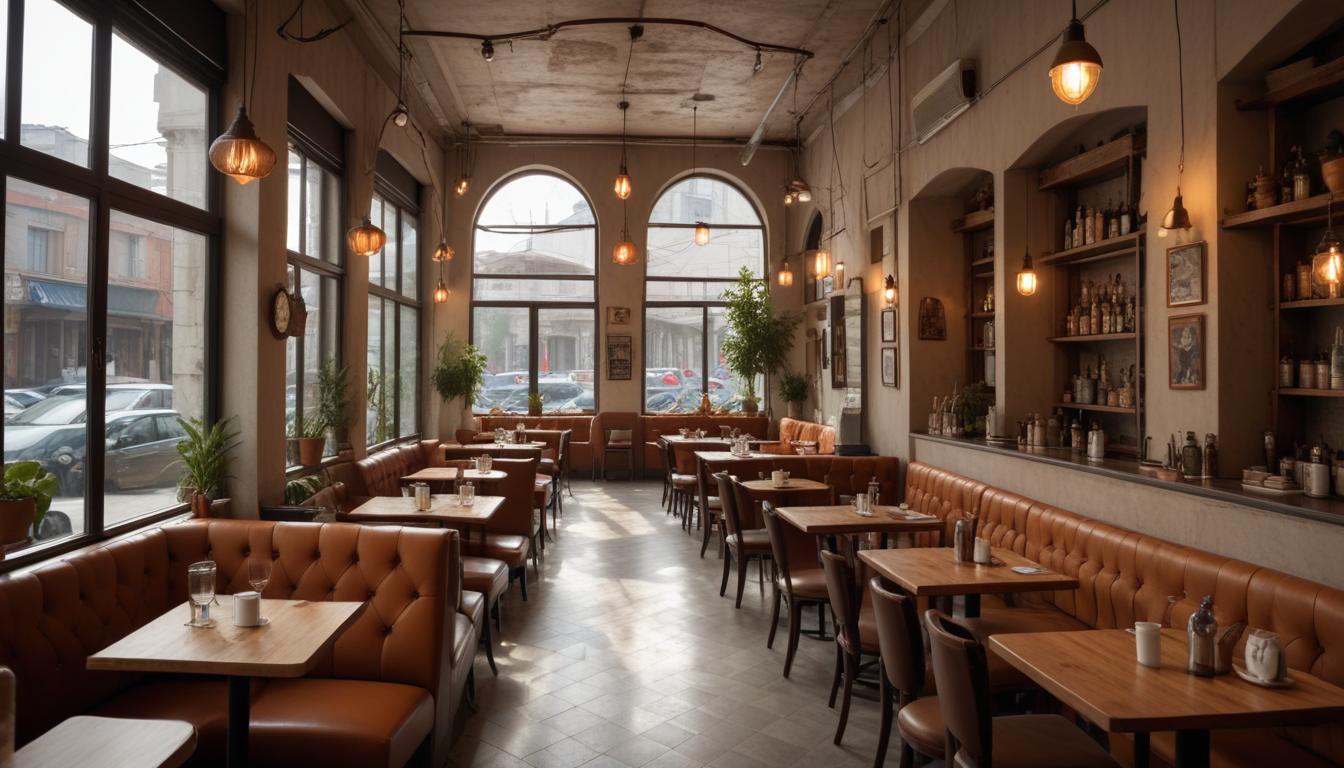
What's striking is how these spaces have shifted daily rhythms. Previously, residents would spend leisure time indoors or migrate to distant parks like Gülhane. Now, grandmothers gather regularly under the plane trees near Çukur Bostan, children play in redesigned pocket gardens on Balat Caddesi, and young professionals work remotely from café seating spilling into courtyards. Property values have responded accordingly—rental prices in Balat have risen roughly 35% since 2023, though they remain lower than neighbouring Fener.
The municipality's approach has been deliberately bottom-up. Community groups like Balat Sakinleri Derneği (Balat Residents Association) have partnered with city planners, proposing improvements from street-level perspectives. This collaboration has prevented the sanitised, tourist-focused greening that has altered other historic neighbourhoods, maintaining Balat's authentic character while making it genuinely liveable.
Challenges remain. Maintenance funding remains inconsistent, and some residents worry about gentrification's long-term effects. Yet the shift is undeniable: green space, once peripheral to urban life here, has become essential infrastructure for community resilience.
For Istanbul's broader lifestyle conversation, Balat offers a template—one where heritage preservation, genuine community input, and thoughtful landscaping create outdoor living that feels organic rather than imposed.
This article was compiled by AI from the sources linked above and screened before publishing. See our editorial standards.