Your Istanbul Adventure Starts Here: A Practical Guide for Newcomers Ready to Dive In
Beyond the tourist trail, here's how to settle into Istanbul's neighbourhoods, master the transport system, and discover why locals call this city home.
Beyond the tourist trail, here's how to settle into Istanbul's neighbourhoods, master the transport system, and discover why locals call this city home.
You've arrived in Istanbul. The call to prayer echoes across the Golden Horn, the Bosphorus glimmers in the evening light, and you're wondering: where do I actually begin? After months of boxes and bureaucracy, it's time to stop being a visitor and start becoming a resident.
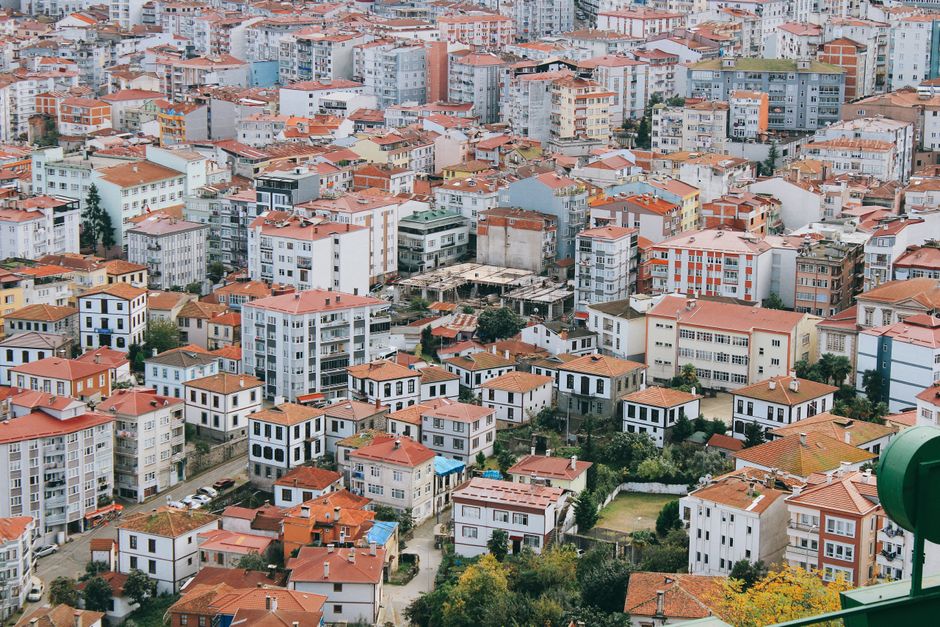
First, forget everything you think you know about Istanbul's geography. The city sprawls across two continents, and choosing your neighbourhood is as important as choosing your morning coffee spot. Beyoğlu remains the expat heartland—Cihangir and Galata offer walkable streets, independent bookshops, and galleries—but rents have climbed to €800–1,200 monthly for a one-bedroom. For authenticity at better value, consider Balat's regenerating Ottoman lanes (€400–700) or Fatih's quieter residential pockets. On the Asian side, Kadıköy pulses with creative energy: café culture, live music venues, and a Wednesday antique market that's become legendary among residents. Budget €500–900 for comparable space.
Transportation is non-negotiable knowledge. The Akbil card—a rechargeable transport pass available at metro stations and convenience stores—unlocks the entire system: metro, tram, bus, and ferry. A single journey costs roughly 15 Turkish Lira (€0.45); most newcomers spend 300–400 lira monthly. The ferries aren't just commute options—they're living. The Kadıköy–Eminönü crossing takes 20 minutes and costs the same as a bus ride. Use them for perspective, literally and figuratively.
Social integration happens fastest through structure. Join Internations Istanbul (monthly meetups across multiple neighbourhoods), find your gym or yoga studio—they're ubiquitous and €40–80 monthly—or volunteer with organisations like Hayata Destek, which supports vulnerable communities. Language matters: even basic Turkish phrases unlock conversations and respect. Enrol at Tömer (Istanbul University's language programme, €180 per semester) or use apps, but commit.
Practicalities: Open a bank account at Garanti, Akbank, or İşbank with your residence permit and passport. Grocery shopping shifts from Carrefour supermarkets (convenient, pricier) to neighbourhood pazars—Tuesday in Balat, Wednesday in Kadıköy, Thursday in Cihangir. This is where you'll find €2 tomatoes, meet neighbours, and understand seasonal eating.
Finally, give yourself permission to get lost. Walk Istiklal Avenue without agenda. Lose your phone signal in Sultanahmet's backstreets. Take a random bus to its terminus. Istanbul reveals itself not through guidebooks but through repetition, small failures, and chance conversations in tea gardens.
You're not visiting anymore. Act accordingly.
This article was compiled by AI from the sources linked above and screened before publishing. See our editorial standards.
How does this story make you feel?
Spread the word
About this article
Published by The Daily Istanbul
Daily brief
Free, in your inbox before 7am. Weekdays.
More in lifestyle