Istanbul's School Revolution: Why Parents Are Choosing to Stay in the City
A quiet but transformative shift in education options and neighbourhood amenities is reshaping family life across the metropolis.
A quiet but transformative shift in education options and neighbourhood amenities is reshaping family life across the metropolis.
Five years ago, the conversation among Istanbul's middle-class families was predictable: send children abroad for secondary school, or relocate to Ankara or Istanbul's outer suburbs for better air quality and space. Today, that narrative has fundamentally shifted.
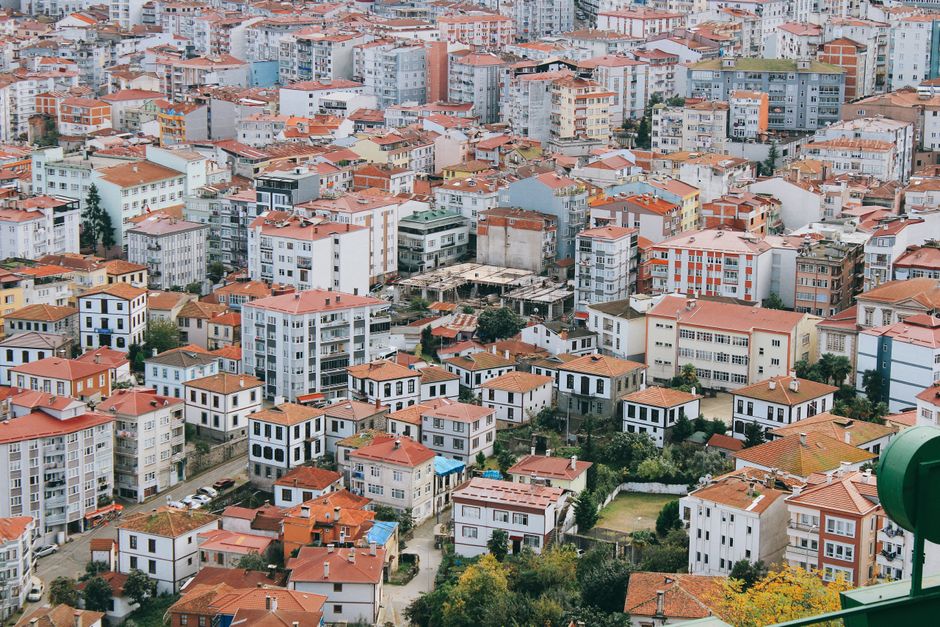
The catalyst? A combination of factors that have quietly reshaped parenting in Turkey's largest city. New international school campuses in Saryer and Beşiktaş—including expanded programmes at established institutions—have reduced waiting lists that once stretched years. Meanwhile, the municipality's 2024 initiative to create green play zones in every neighbourhood has added 47 new parks, with dedicated family facilities in Cihangir, Ortaköy, and along the Bosphorus waterfront in Kuzguncuk.
"Parents aren't fleeing anymore," says the coordinator at one major international education network, noting enrolment growth of 23% since 2023. The appeal is tangible: shorter commutes to Levent's business district, better after-school programming, and crucially, restored faith in the city's livability.
School fees remain substantial—international institutions ranging from 250,000 to 450,000 Turkish lira annually—but new financing partnerships with local banks have made this accessible to more families. Turkish public schools, meanwhile, have benefited from curriculum modernisation that emphasises STEM and bilingual education, particularly in Fatih's older establishments that have undergone renovations.
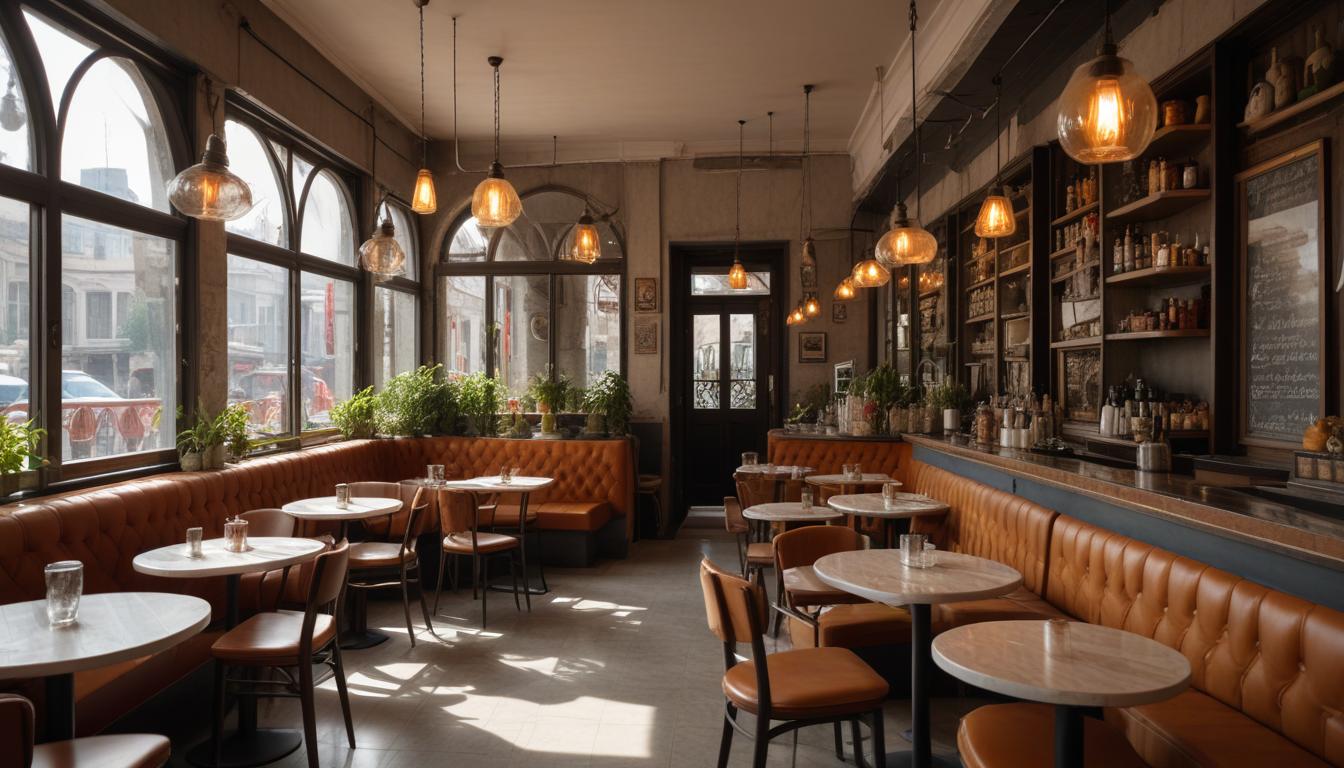
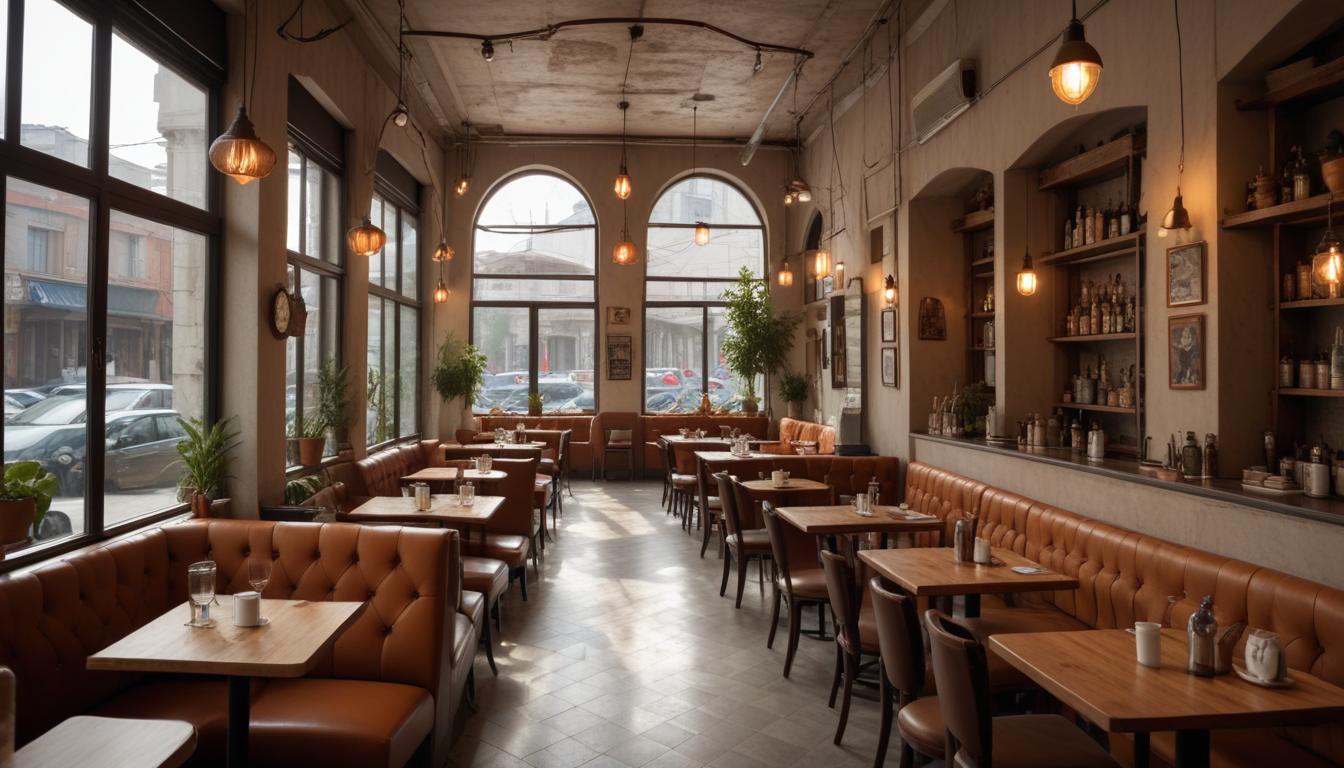
The neighbourhood effect is equally important. Bebek and Arnavutköy have seen an influx of family-oriented venues: organic markets, paediatric clinics with English-speaking staff, and restaurants accommodating children without the pretension that once dominated Istanbul's dining scene. A cappuccino now doesn't require abandoning your toddler to a corner.
Infrastructure improvements matter too. The extension of metro lines to school zones has reduced school-run traffic—a perennial source of parental stress—by an estimated 18% in pilot areas. Beyoğlu's new pedestrianised streets have made navigating with pushchairs considerably easier than the chaotic pavements of a decade ago.
Yet the shift isn't universal. Inequality persists; families without means still struggle with overcrowded public schools and pollution concerns. And the recent global uncertainties have prompted some to maintain international school insurance and backup plans.
Still, the data tells a story: fewer families are leaving Istanbul during primary years. Local parenting groups have expanded. Birthday parties no longer feel like temporary arrangements before departure.
For the first time in a generation, staying in Istanbul doesn't feel like a compromise—it feels like a choice.
This article was compiled by AI from the sources linked above and screened before publishing. See our editorial standards.
How does this story make you feel?
Spread the word
About this article
Published by The Daily Istanbul
Daily brief
Free, in your inbox before 7am. Weekdays.
More in lifestyle