Morning Rush: The Unsung Heroes Making Istanbul's Commute Human
From ferry captains to street musicians, the people who keep this city moving tell stories as layered as Istanbul itself.
From ferry captains to street musicians, the people who keep this city moving tell stories as layered as Istanbul itself.
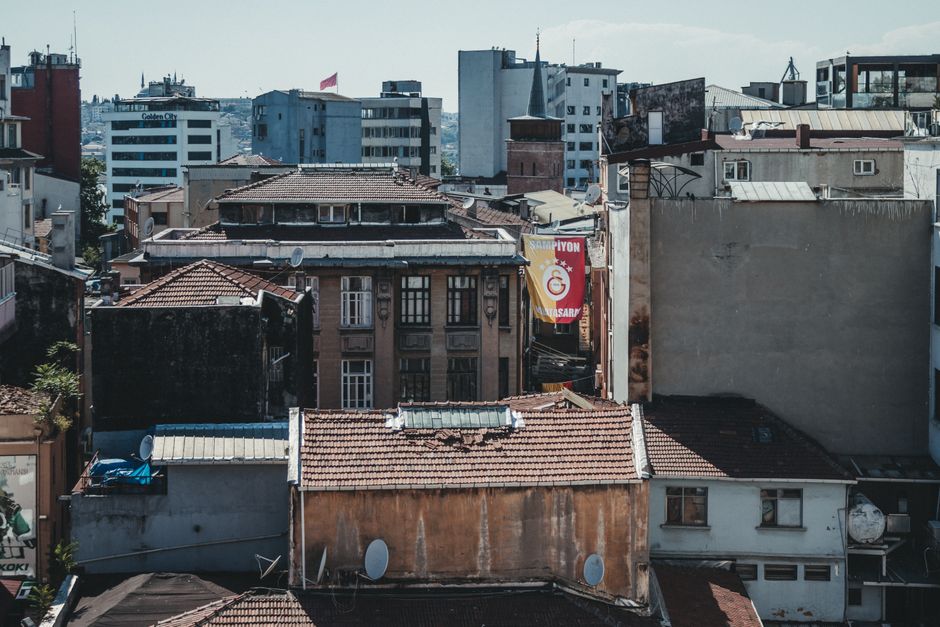
At 7:15 a.m., the Galata Bridge is already alive with purpose. Fishermen cast lines into the Golden Horn while beneath their feet, thousands of commuters surge toward the metro entrance. But if you pause long enough—difficult in a city that moves at Istanbul's relentless pace—you notice the texture beneath the chaos. The faces. The routines. The small ceremonies that transform a daily grind into something closer to belonging.
Consider the ferries crisscrossing the Bosphorus. For many of Istanbul's 15 million residents, the 25-minute crossing from Kadıköy to Eminönü isn't just transport; it's a ritual. Vendors hawk tea and sesame rings to the same commuters who've occupied the same corner seats for years. A woman in her sixties reads the same newspaper. A teenager sketches in a worn notebook. The ferry company operates 40 routes across the straits, moving roughly 150 million passengers annually—each one a small story.
Elif, who drives taxis along Istiklal Caddesi and the winding roads of Beyoğlu, has watched the city's transport landscape shift dramatically. "Twenty years ago, everyone took the dolmuş," she notes, referring to the shared minibuses that still cost just 12 lira per journey. Now they compete with metro lines, e-scooters, and bike-sharing systems. Yet the dolmuş persists—a democratic transport option where lawyers sit beside construction workers, where conversations in Turkish, Kurdish, and Arabic flow naturally. The vehicles themselves are mobile galleries: dashboard ornaments, hand-stitched seat covers, and drivers who know their routes so intimately they can navigate by muscle memory alone.
The metro's expansion has redrawn commuting patterns across the city. The M6 line running through Levent and towards Söğütlüçeşme has created new rhythms. But the real story lives in transition points—the vendors at Taksim Station selling newspapers in six languages, the student musicians who perform between trains at Sultanahmet, the informal networks of regular travelers who've become familiar strangers.
What strikes outsiders most is how Istanbul's transport culture mirrors the city itself: layered, resilient, surprisingly intimate despite crushing density. A 15-minute commute across the Golden Horn connects not just neighborhoods but worlds. The ferry captain knows the swell patterns in his sleep. The dolmuş driver remembers which passengers need the 6 a.m. run. The metro attendant, working the ticket gate, greets regulars by their routines if not their names.
These aren't the stories that make international headlines. They're quieter, more essential. They're what keeps Istanbul moving—and keeps it human.
This article was compiled by AI from the sources linked above and screened before publishing. See our editorial standards.
How does this story make you feel?
Spread the word
About this article
Published by The Daily Istanbul
Daily brief
Free, in your inbox before 7am. Weekdays.
More in lifestyle