Istanbul's markets remain among the world's most storied shopping destinations, but navigating them requires strategy—especially for visitors unfamiliar with local pricing, haggling customs, and the sheer logistics of moving through centuries-old bazaars during peak season.
The Grand Bazaar (Kapalı Çarşı) in Fatih remains the heavyweight champion, with over 4,000 shops sprawling across 61 covered streets. Expect to pay 80-150 Turkish Lira for basic leather belts, 200-400 TL for quality scarves, and significantly more for carpets and jewellery. The golden rule: prices displayed are opening offers. Serious shoppers should budget 30-40 percent less through negotiation, particularly for high-ticket items. Arrive early—before 10am—to beat tour groups and access vendors who are more patient with haggling.
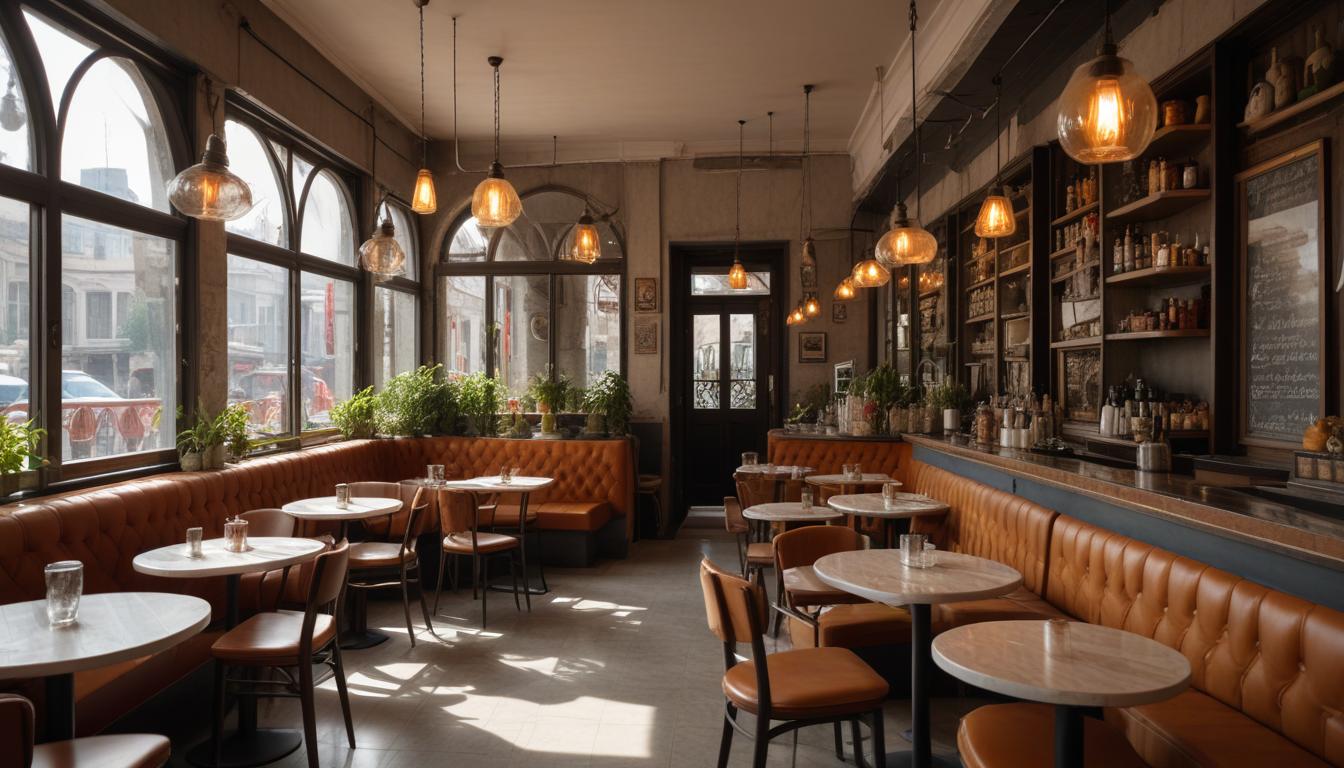
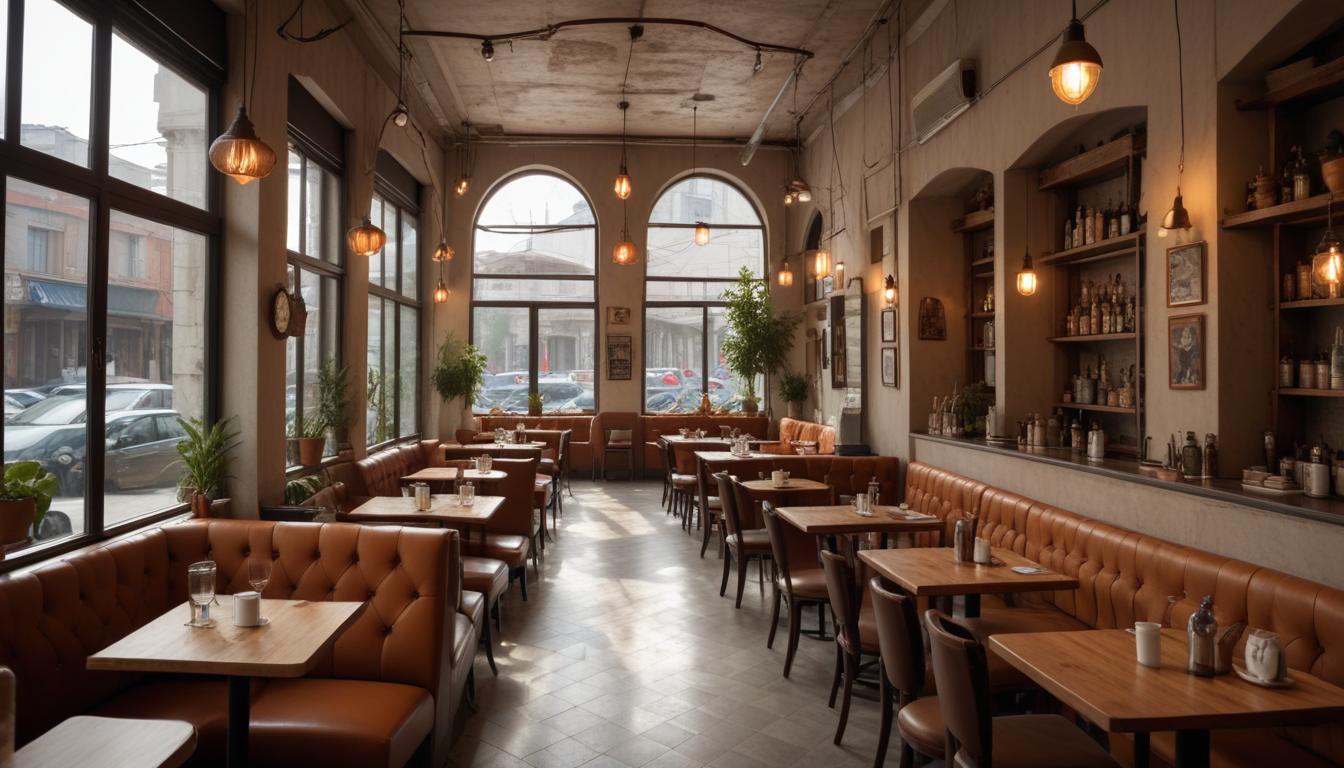
For contemporary Turkish design and lower-pressure shopping, Istiklal Avenue in Beyoğlu hosts international brands alongside local boutiques, with price points reflecting global standards. A coffee at street-side cafés runs 35-50 TL, while clothing ranges from affordable Turkish chains to premium imported goods.
Balat, the bohemian neighbourhood stretching along the Golden Horn, has transformed into a vintage and artisan hub. Second-hand clothing shops line narrow streets, with items typically priced 40-150 TL. Local ceramicists and small designers operate from converted townhouses; expect handmade jewellery at 100-300 TL. This area rewards leisurely browsing and conversation with shopkeepers.
Spice Bazaar (Mısır Çarşısı) near the Galata Bridge specializes in saffron, dried fruits, nuts, and Turkish delights. Quality matters considerably here—premium saffron costs 300-500 TL per gram, while mid-range options run 150-250 TL. Tourist-focused stalls near the entrance charge premiums; venture deeper into the market for better value.
Practical considerations: Most traditional markets operate 9am-7pm, closed Sundays (though some tourist areas remain open). The Grand Bazaar and Spice Bazaar accept both lira and cards, but smaller shops prefer cash. Pickpocketing is real in crowded markets—keep valuables secure and bags in front.
Budget reality: A single quality Turkish carpet ranges from 800 TL (basic) to 5,000+ TL (hand-knotted silk). A leather jacket runs 300-800 TL depending on quality. Spices and local products offer genuine value for money—Turkish honey, pomegranate molasses, and dried herbs cost 30-80 TL and are genuinely worth taking home.
Best advice: Shop markets mid-week, avoid Saturdays, learn basic Turkish bargaining phrases, and remember that the experience itself—the chaos, the chai offered by shopkeepers, the architectural maze—matters as much as any purchase.
This article was compiled by AI from the sources linked above and screened before publishing. See our editorial standards.