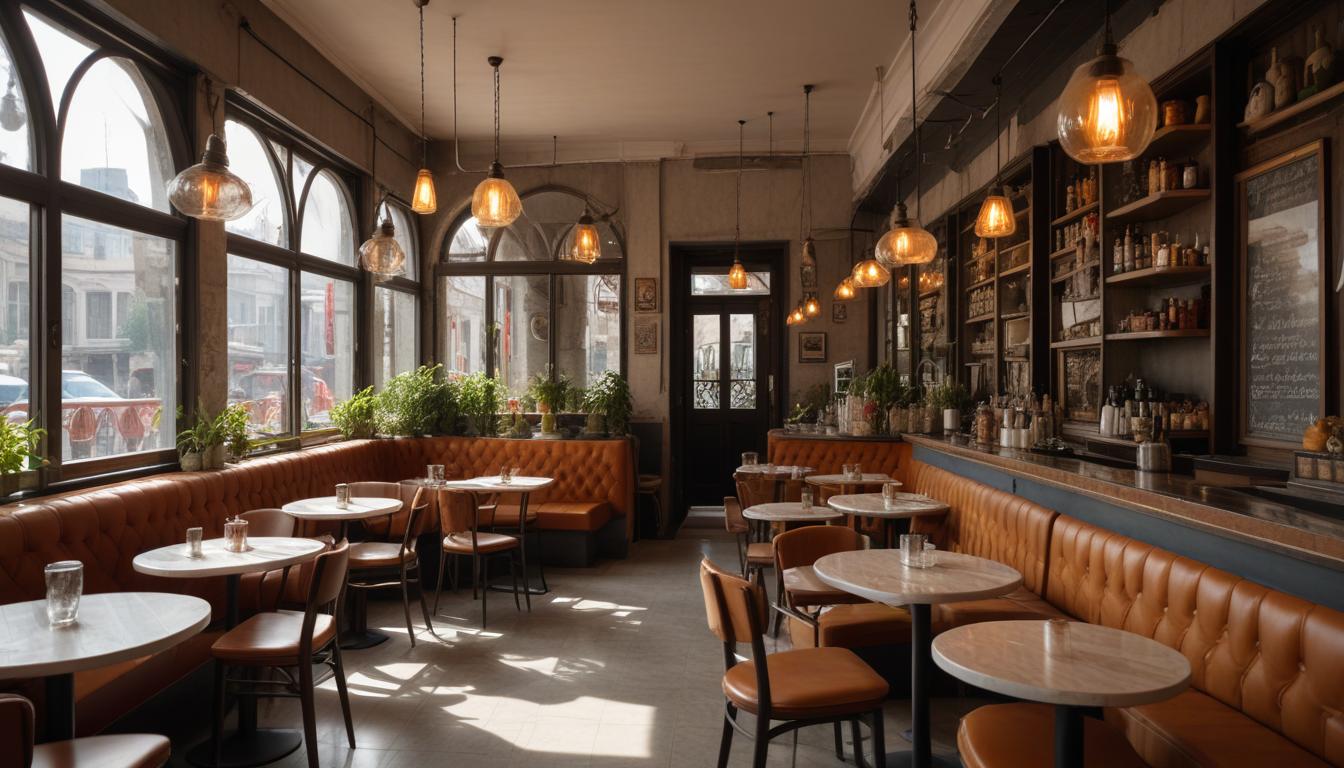
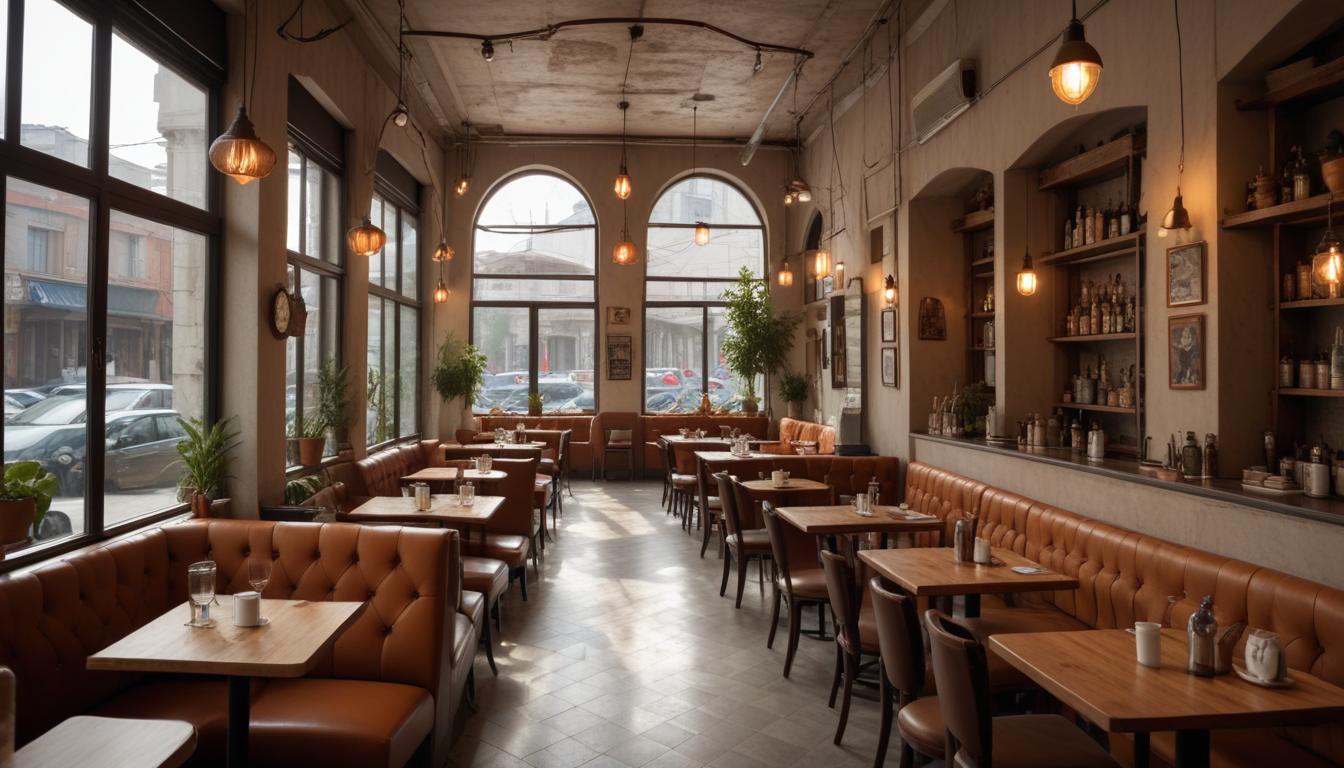
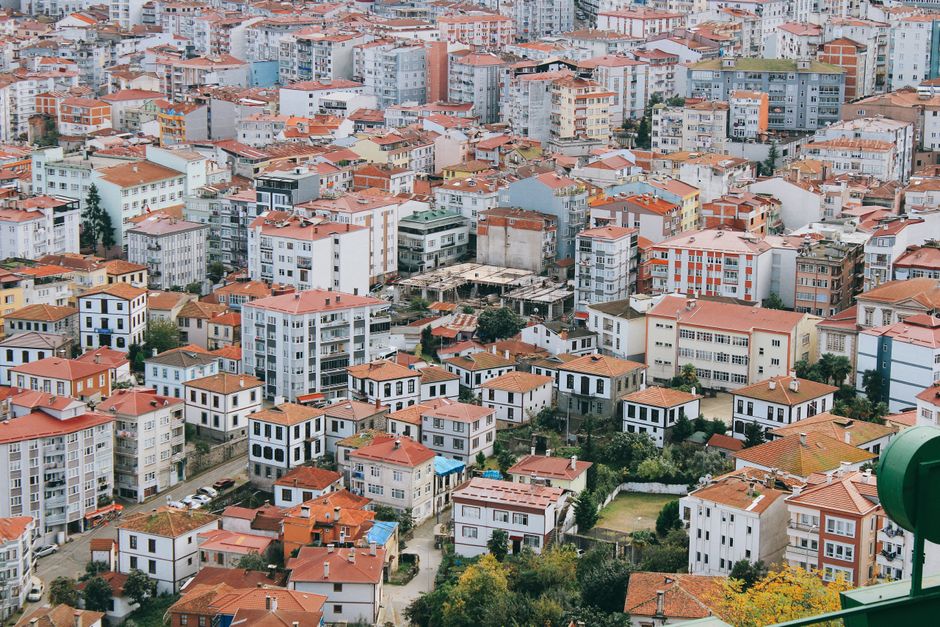
Walk down Balat's narrow cobbled streets on a June morning, and you'll encounter a neighbourhood caught between preservation and transformation. The pastel Ottoman facades of Çukur Sokak remain largely unchanged, their weathered shutters opening onto a tightly woven social fabric that has endured centuries of change. Yet the arrival of boutique cafés charging 85 lira for specialty coffee tells a different story—one of shifting demographics and evolving community identity.
Balat's character emerges not from monuments but from daily rituals. At the corner of Çukur Sokak and Akarsu Caddesi, elderly residents still gather for çay and backgammon, occupying the same bench spots their families have claimed for decades. Meanwhile, younger professionals crowd into converted han courtyards, transforming former textile warehouses into co-working spaces and artist studios. This isn't conflict so much as coexistence—a neighbourhood learning to speak two languages simultaneously.
The community organisations here run on relationships rather than budgets. The Balat Women's Cooperative, operating informally for over fifteen years, connects residents through traditional handicrafts while generating modest income—averaging around 3,000 lira monthly per member. These aren't Instagram-worthy initiatives; they're survival mechanisms that have evolved into cultural anchors. Similarly, the neighbourhood's informal youth centres continue operating despite limited municipal funding, relying on volunteer educators who grew up in these very streets.
Local businesses reflect this character. Mehmet Usta's hardware store on Çukur Sokak has served the neighbourhood since 1987, its handwritten inventory ledger still more reliable than any digital system. Three doors down, a new ceramics studio opened last year, run by a young artist who chose Balat specifically because community members approached her with stories rather than suspicion. That welcome matters in a city where neighbourhoods can feel interchangeable.
The real question facing Balat isn't whether it will change—that's inevitable in Istanbul. Rather, it's whether the underlying community infrastructure can adapt without fracturing. Property prices have climbed 40% in five years; younger longtime residents increasingly commute from outer districts. Yet the neighbourhood's soul persists in these informal networks: the bakery owner who extends credit to pensioners, the retired schoolteacher who still tutors neighbourhood children free of charge, the impromptu summer film screenings organised through WhatsApp group chats.
Understanding Balat means recognising that neighbourhood character isn't built through heritage plaques or tourism boards. It emerges from thousands of small decisions by residents choosing to stay, to invest time in strangers, to maintain relationships across shifting economic circumstances. That's what makes this corner of the Golden Horn worth watching—not as a destination, but as a laboratory for urban community in motion.
This article was compiled by AI from the sources linked above and screened before publishing. See our editorial standards.