Istanbul has shifted. Walk through Galata or Beyoğlu in 2026, and you'll notice something that wasn't quite there before: a sense that the city is finally catching its breath after years of frenetic growth. For expats arriving this summer, the timing couldn't be better—and locals are the first to admit it.
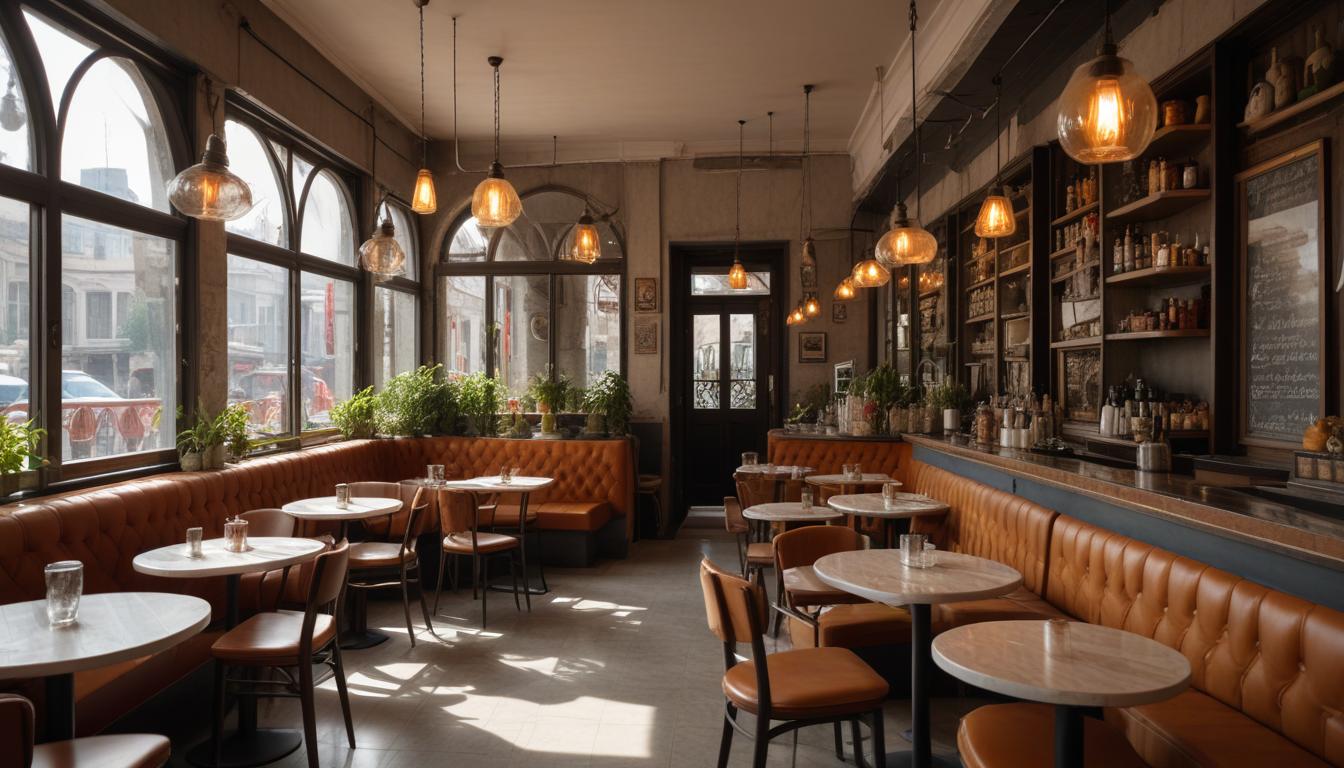
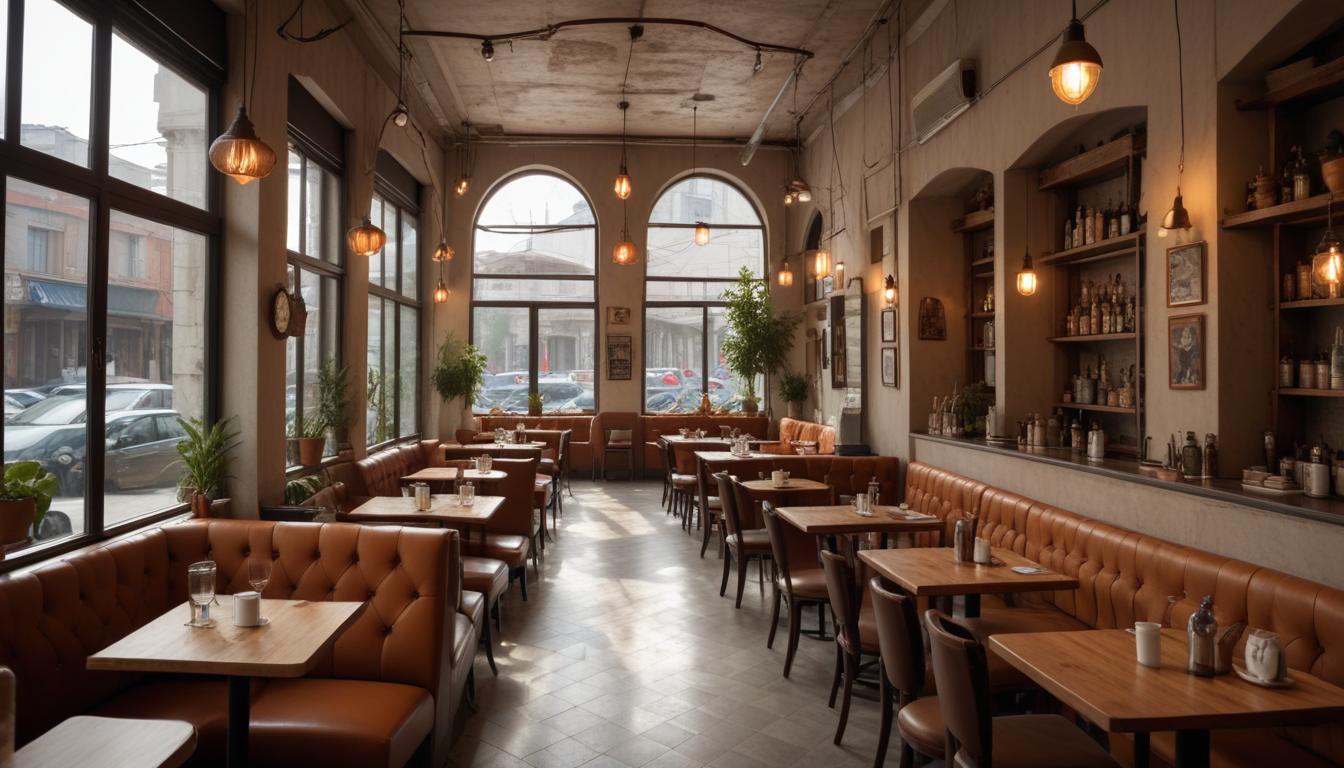
The most visible change comes from the Karakoy waterfront revival. The completion of the pedestrian promenade along the Golden Horn's northern shore has fundamentally altered how residents move through the city. Where there were once industrial warehouses and blocked sightlines, there's now a 2.3-kilometre continuous walkway connecting Karakoy to Balat, lined with restored Ottoman buildings, independent cafés, and galleries. The Antrepo cultural complex has expanded its programming, hosting everything from film festivals to experimental music nights that draw as many Turkish locals as international visitors.
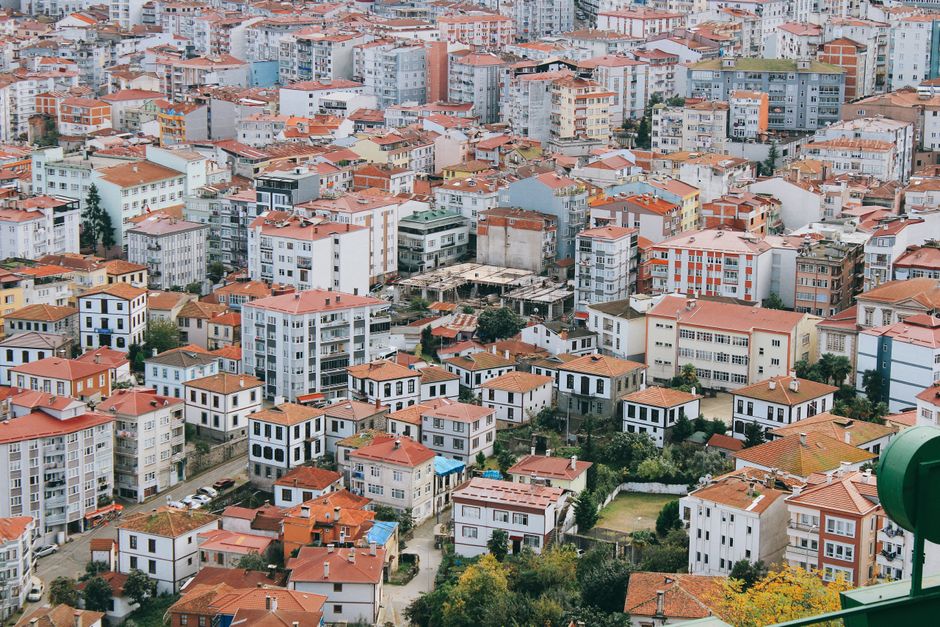
Equally significant: the metro extensions reaching into previously underserved districts. The M7 line's completion to Bakırköy this spring means commute times from the European side's residential areas have dropped dramatically. This has sparked genuine neighbourhood renewal in places like Bakırköy and Yeşilköy, where young families and professionals are now choosing to settle. Monthly rental prices in these zones remain 30-40% lower than Beyoğlu equivalents—a fact that hasn't escaped the notice of savvy expats planning their first year.
But infrastructure alone doesn't explain the shift. There's a palpable sense that Istanbul's cultural institutions have matured. The Arter contemporary art space has become a serious player on the international circuit, while smaller independent venues in Cihangir and around the Istiklal pedestrian street have cultivated loyal followings. English-language community groups—from book clubs to professional networking organisations—have established real roots rather than existing as transient bubbles.
Practical improvements matter too. Startup spaces and co-working hubs have proliferated across Şişli and Beşiktaş, making remote work genuinely feasible. The broader push toward digital services means navigating Turkish bureaucracy has become less Byzantine, particularly for those securing residence permits through the new streamlined system.
For newcomers, the message is clear: Istanbul in 2026 isn't the chaotic, all-or-nothing proposition it once seemed. It's a city where infrastructure actually functions, where neighbourhoods have distinct identities worth exploring, and where both expats and locals are equally invested in making things work. That convergence—that sense of shared optimism—is what's genuinely new.
This article was compiled by AI from the sources linked above and screened before publishing. See our editorial standards.