Istanbul's Schools Are Transforming: Why Local Parents Say 2026 Is Finally the Year the City Got It Right
New playgrounds, bilingual curricula and community hubs are reshaping family life across the city—and residents are noticing the difference.
New playgrounds, bilingual curricula and community hubs are reshaping family life across the city—and residents are noticing the difference.
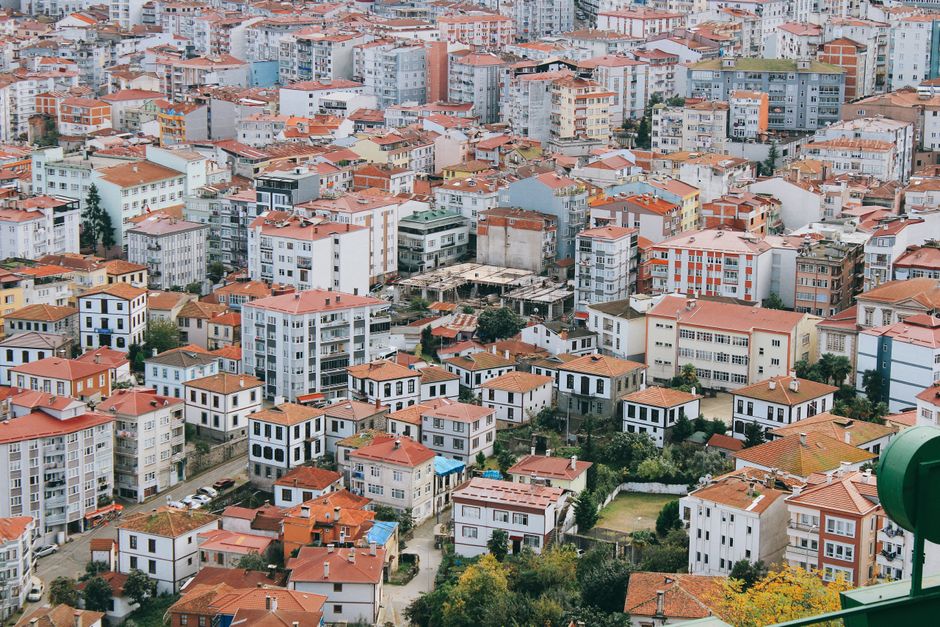
Walk through Cihangir or Ortaköy on a weekday morning and you'll see it immediately: parents lingering longer at school gates, children moving between multiple activity zones, and a palpable sense that Istanbul's education landscape is finally catching up to its cosmopolitan ambitions. For years, middle-class families here faced a familiar dilemma—stay and navigate inconsistent school standards, or relocate to Ankara or abroad. Not anymore.
The shift began quietly two years ago but has accelerated dramatically. The Istanbul Municipality's 2024 education initiative injected resources into public school infrastructure across the city's primary districts. Bebek Anadolu Lisesi underwent a complete courtyard renovation, introducing outdoor learning spaces. Kadıköy's waterfront schools now feature maritime-themed curricula. Even traditionally overlooked neighbourhoods like Fatih have seen investment in science labs and library modernisation.
But infrastructure alone doesn't explain the newfound enthusiasm. Parents here are most excited about the emergence of genuinely multilingual, project-based learning models. Schools along the Bosphorus corridor—from Sarıyer to Maltepe—have adopted hybrid curricula balancing Turkish national requirements with international frameworks. Monthly fees for private institutions average 15,000-22,000 TL, a premium many families now consider justified given the integration of robotics, environmental studies, and arts across programmes.
The real game-changer? Community. New parent-led initiatives in Nisantasi and Besiktas have created informal networks where families share resources, organise weekend excursions to sites like Pierre Loti or the Princes' Islands, and advocate collectively for school improvements. These aren't helicopter parents—they're collaborative groups recognising Istanbul's unique position as a bridge between continents, and demanding education reflect that.
Perhaps most tellingly, fewer families are now selling their Bosphorus apartments to move abroad specifically for schooling. The narrative has shifted from "leave Istanbul" to "optimise Istanbul." Grandparents who previously expected to follow emigrating children overseas are staying put.
Challenges remain—teacher retention, equitable funding across districts, and standardised testing pressure are still real. But something has genuinely changed in the city's approach to childhood and learning. Istanbul's cosmopolitan identity, once seen as a liability for families seeking stability, is now being repositioned as an asset—a living classroom where multilingualism, cultural navigation, and urban resilience are no longer add-ons but central to how a generation grows up.
For thousands of Istanbul families reconsidering their futures here, that shift might matter more than any single new playground.
This article was compiled by AI from the sources linked above and screened before publishing. See our editorial standards.
How does this story make you feel?
Spread the word
About this article
Published by The Daily Istanbul
Daily brief
Free, in your inbox before 7am. Weekdays.
More in lifestyle