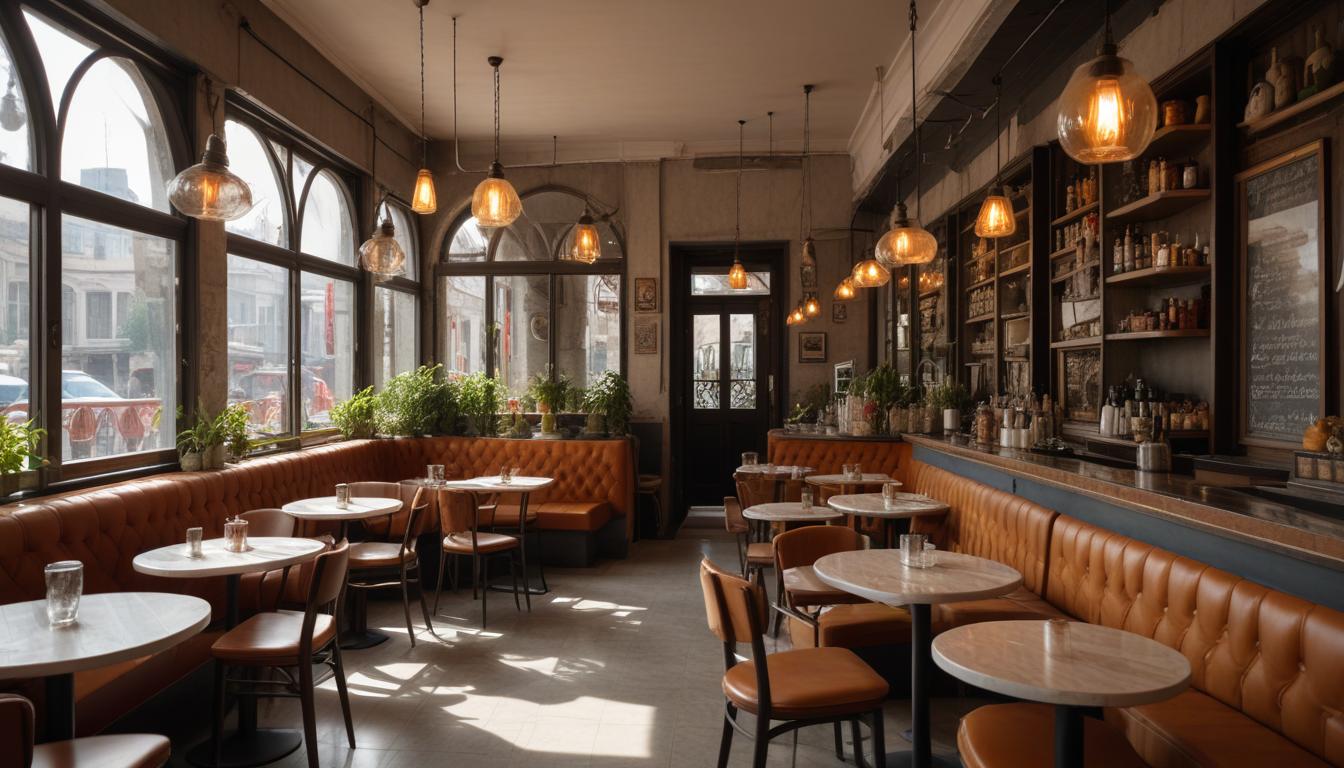
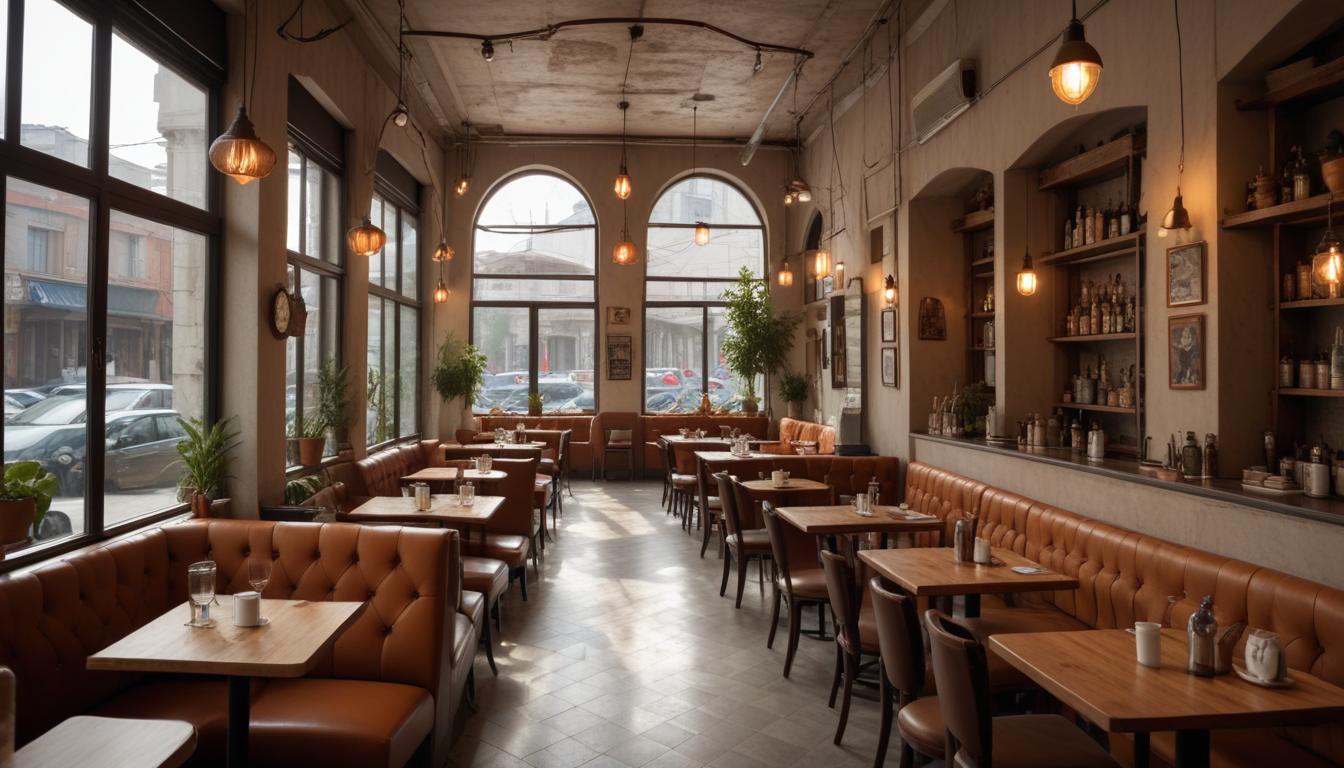
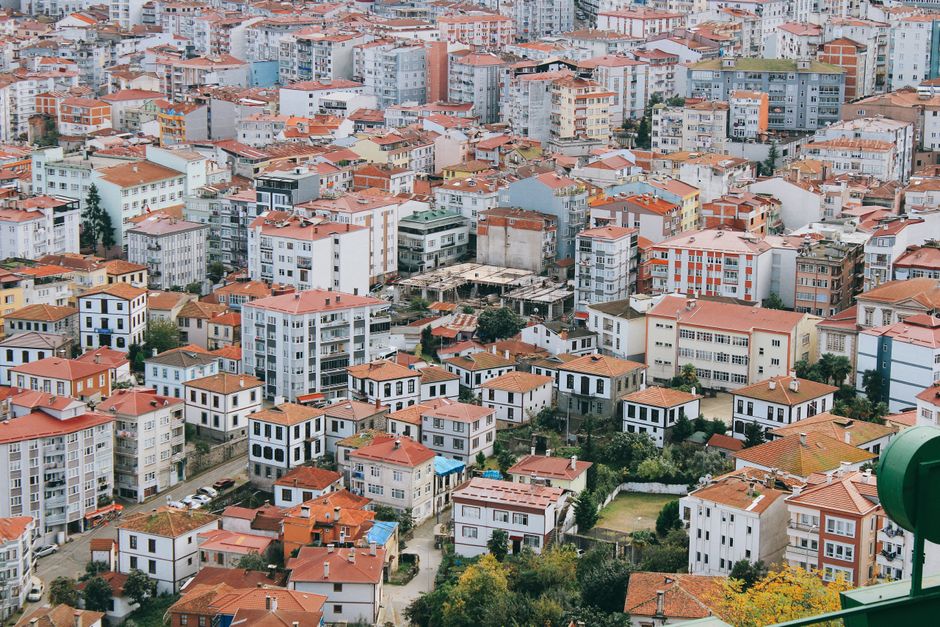
Walk into any metropolitan bar district and you'll find predictable patterns: craft cocktails with Nordic minimalism, Brooklyn-style industrial chic, or Dubai's gleaming uniformity. Istanbul's nightlife operates by entirely different rules—and that's precisely what makes it magnetic for both locals and international travellers seeking something genuinely unrepeatable.
The difference starts with geography. Unlike cities confined to a single landmass, Istanbul straddles two continents across the Golden Horn and Bosphorus. This creates a phenomenon unique to the city: venues literally face one another across water, generating an almost theatrical sense of dual identity. Spend an evening in Beyoğlu's packed bars around Istiklal Caddesi, and you're watching European Istanbul. Cross the Galata Bridge at midnight toward Eminönü, and the entire social dynamic shifts—different crowds, different music, different energy. No other major city offers this built-in geographical narrative to its nightlife.
Then there's the historical layering. Galata's restored Byzantine stone warehouses now house intimate wine bars and underground clubs, their thick walls dating to the 14th century. These aren't fabricated heritage experiences; they're genuine conversions of working buildings. A 2024 cultural tourism study noted Istanbul attracted over 14 million visitors annually, many specifically drawn to venues that authentically blend Ottoman and modern aesthetics—something Dubai's new districts or Barcelona's gentrified quarters cannot replicate.
The social culture itself diverges sharply from global templates. Istanbul's bar scene wasn't imported wholesale; it emerged organically from Istanbul's specific position as a meeting point. You'll find Turkish rakı-fuelled conversations happening beside craft beer enthusiasts, classical Ottoman music bleeding into electronic sets, and midnight mezes appearing as naturally as prosecco. This code-switching—moving fluidly between cultural references—shapes every night out in ways you won't find in homogenised international cities.
Pricing reflects this uniqueness too. A cocktail in central Beyoğlu averages 120-180 Turkish Lira (roughly €4-6), significantly cheaper than London or Berlin, yet venues maintain quality and creativity that doesn't feel compromised. This economic accessibility means Istanbul's nightlife draws genuinely mixed crowds—not just the affluent—creating street-level authenticity that premium-priced scenes often lose.
The regulatory landscape adds another distinction. Istanbul's bars operate within a framework shaped by Turkey's specific cultural and political context, meaning venues develop personality partly through navigating these constraints creatively. This produces an edginess and adaptability absent from cities with more standardised licensing.
What emerges is a nightlife ecosystem that cannot be replicated, franchised or exported. It belongs entirely to Istanbul—shaped by its geography, history, economics and culture in ways that make every evening genuinely unpredictable.
This article was compiled by AI from the sources linked above and screened before publishing. See our editorial standards.