Balat's Weekend Transformation: How Istanbul's Bohemian Heartland Is Reinventing Itself
Once a quiet working-class neighbourhood, Balat is evolving from Instagram hotspot into a genuine cultural destination—with growing pains to match.
Once a quiet working-class neighbourhood, Balat is evolving from Instagram hotspot into a genuine cultural destination—with growing pains to match.
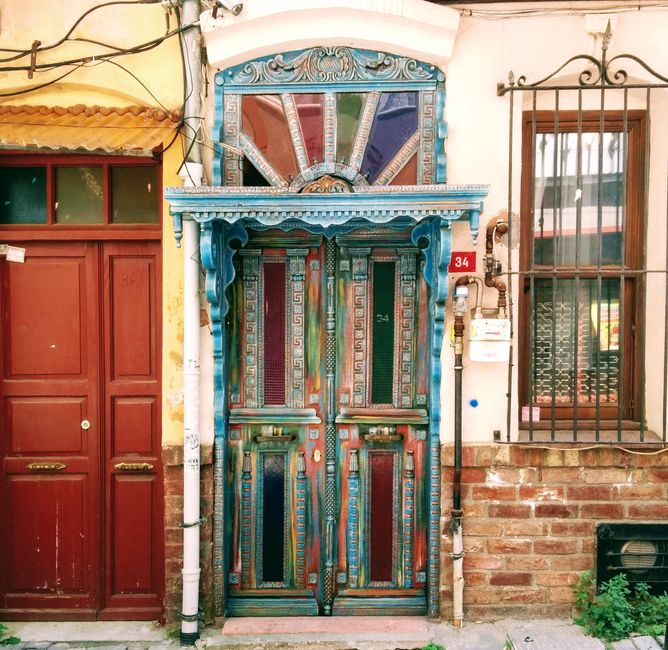
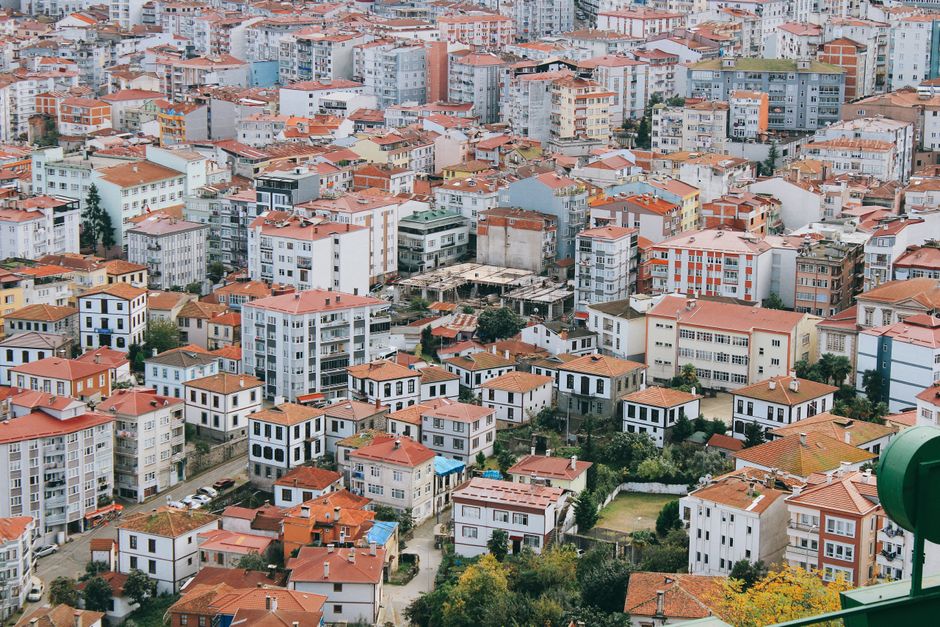
Five years ago, Balat's narrow cobbled streets were lined with shuttered Ottoman mansions and elderly residents tending vegetable gardens. Today, the Golden Horn-facing neighbourhood is barely recognisable on weekends, when thousands of visitors flood Balat Caddesi seeking artisanal coffee, vintage boutiques, and the perfect photo against peeling mustard-yellow walls.
This transformation—accelerated dramatically since 2022—presents Istanbul's lifestyle scene with an intriguing paradox. The neighbourhood that built its identity on authenticity is becoming a victim of its own success, as locals and long-time business owners grapple with gentrification's complexities.
The numbers tell the story. Property values in Balat have increased approximately 300 percent over the past three years, according to Istanbul real estate analysts. Weekend foot traffic now regularly exceeds 15,000 visitors during summer months. Compare this to 2019, when the neighbourhood averaged fewer than 3,000 weekend visitors.
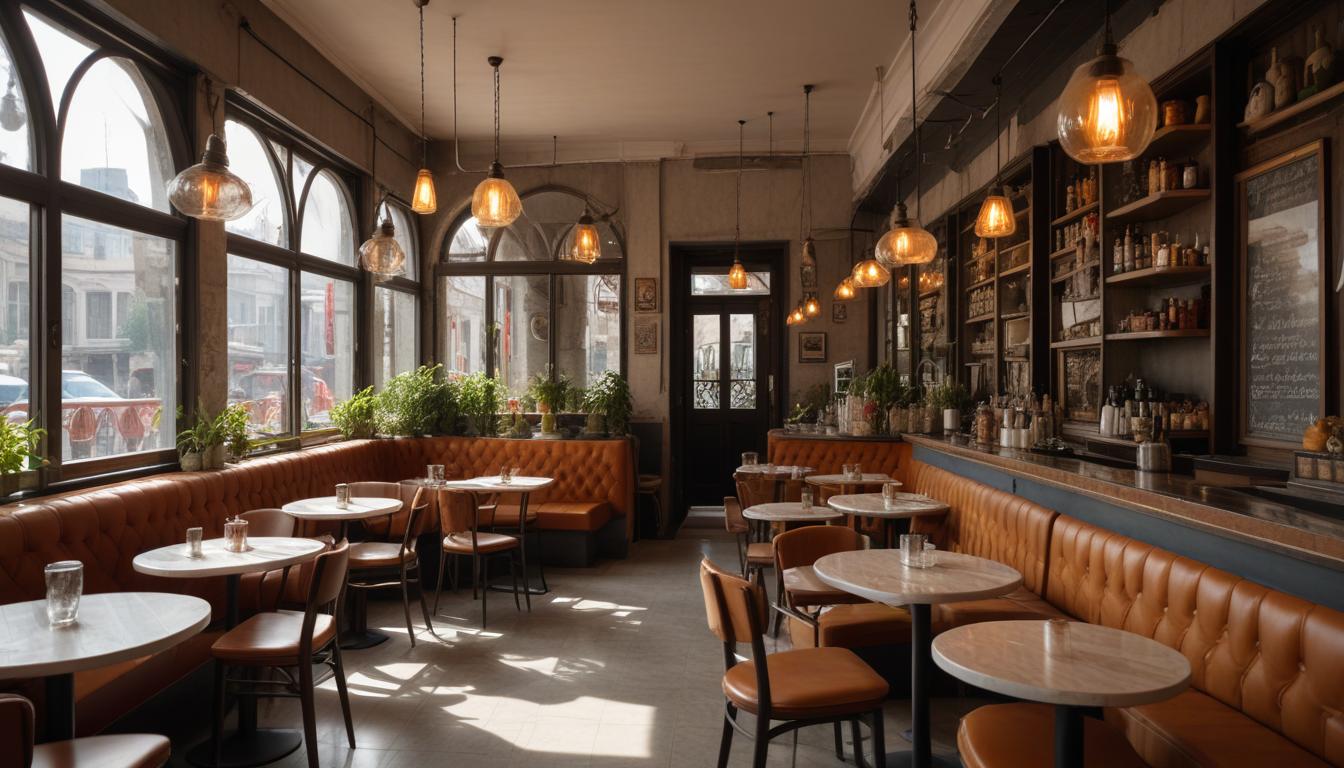
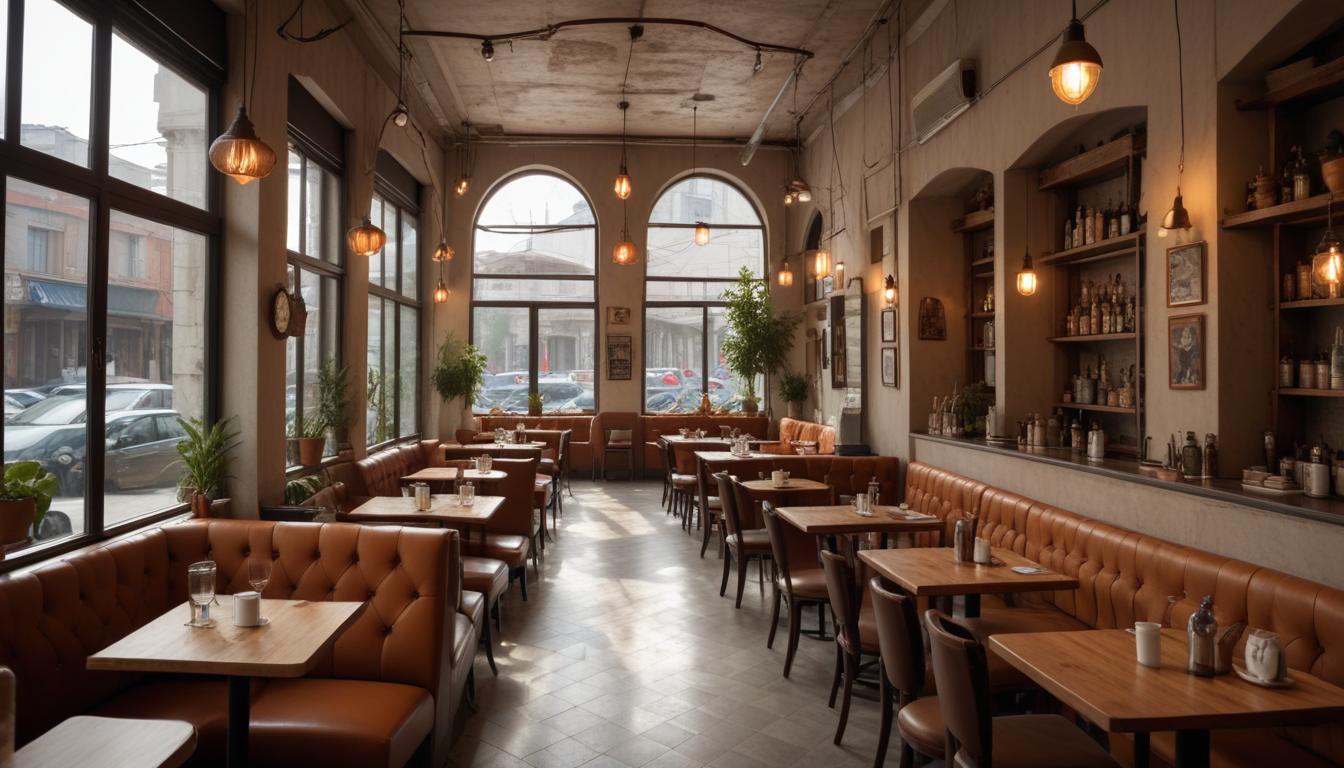
New ventures reflect changing demographics. Last month alone, five new concept cafés opened along Balat Caddesi and its side streets—establishments serving cold-brew and single-origin beans at 85-120 Turkish Lira per cup. Simultaneously, family-run lokantaları and textile workshops that sustained the neighbourhood for decades are closing, unable to match rapidly rising rents that have climbed from 8,000 TL to 35,000 TL monthly for ground-floor retail spaces.
Yet there's genuine cultural evolution happening beneath the surface. Initiatives like the Balat Kültür Derneği (Balat Culture Association) are working to document the neighbourhood's Byzantine and Ottoman heritage through community-led archaeology projects. Weekend walking tours, many now conducted in English and Turkish, attract visitors interested in history rather than just hashtags.
Smart operators are finding middle ground. Several established businesses have embraced tourism while maintaining community roots—like the century-old dyeing workshops that now offer visitors supervised natural indigo sessions on Saturday afternoons for 150 TL, generating income while preserving traditional craftsmanship.
For weekend leisure seekers, Balat remains compelling, though strategy matters. Early morning visits—before 10 a.m.—still offer the neighbourhood's original character: backgammon-playing elders on stoops, neighbourhood cats, genuine street life. By afternoon, it becomes performance.
The question haunting Istanbul's cultural commentators isn't whether Balat will change further—that's inevitable. It's whether the neighbourhood can evolve without erasing the community that made it worth discovering in the first place.
This article was compiled by AI from the sources linked above and screened before publishing. See our editorial standards.
How does this story make you feel?
Spread the word
About this article
Published by The Daily Istanbul
Daily brief
Free, in your inbox before 7am. Weekdays.
More in lifestyle