Beyond the Tourist Traps: What Istanbul's Night Owls Actually Drink and Where
We asked bartenders, regulars, and neighbourhood fixtures to reveal where locals really spend their evenings—and why the best nights rarely happen in Beyoğlu.
We asked bartenders, regulars, and neighbourhood fixtures to reveal where locals really spend their evenings—and why the best nights rarely happen in Beyoğlu.
Istanbul's nightlife reputation rests largely on postcards of rooftop bars overlooking the Golden Horn, but anyone who actually lives here knows the real magic unfolds in less obvious places. After speaking with bartenders, late-night commuters, and the kind of people who know every café owner by name, a clearer picture emerges: authenticity in this city requires knowing where tourists don't naturally wander.
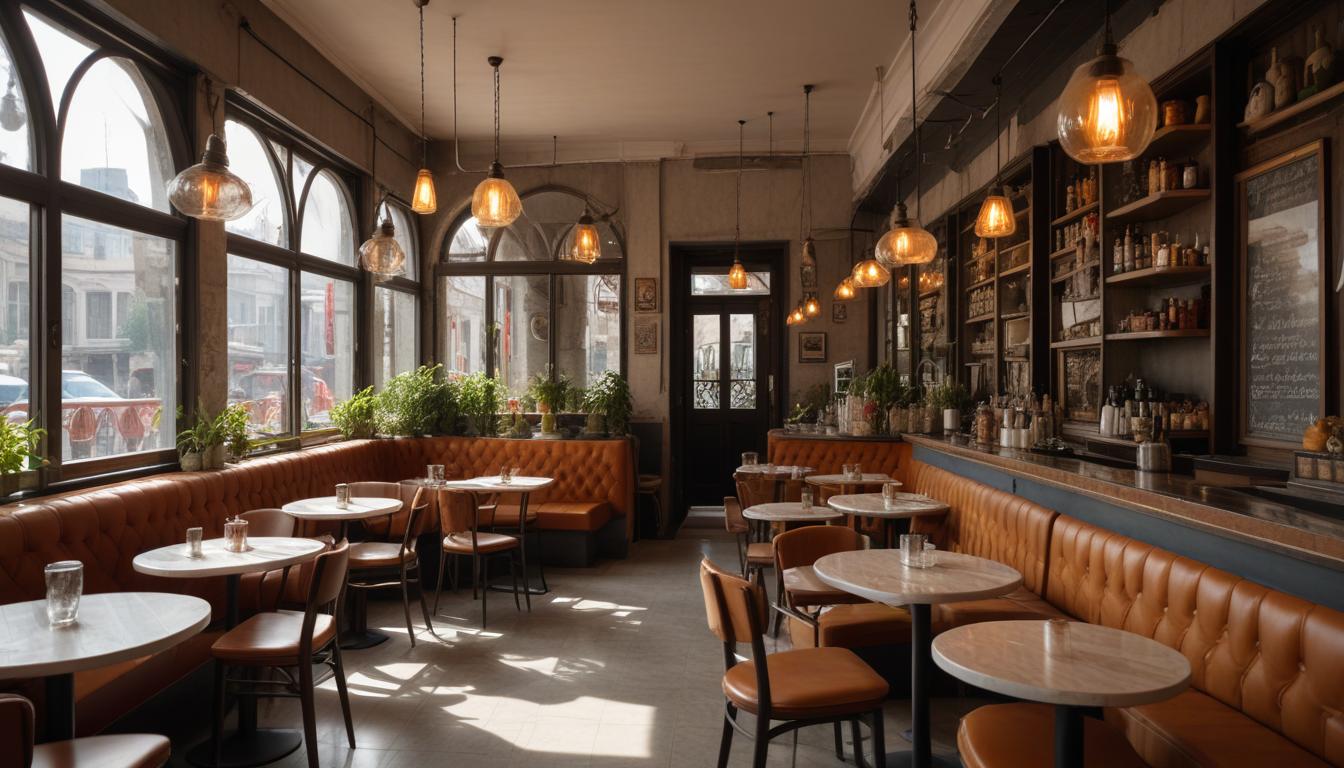
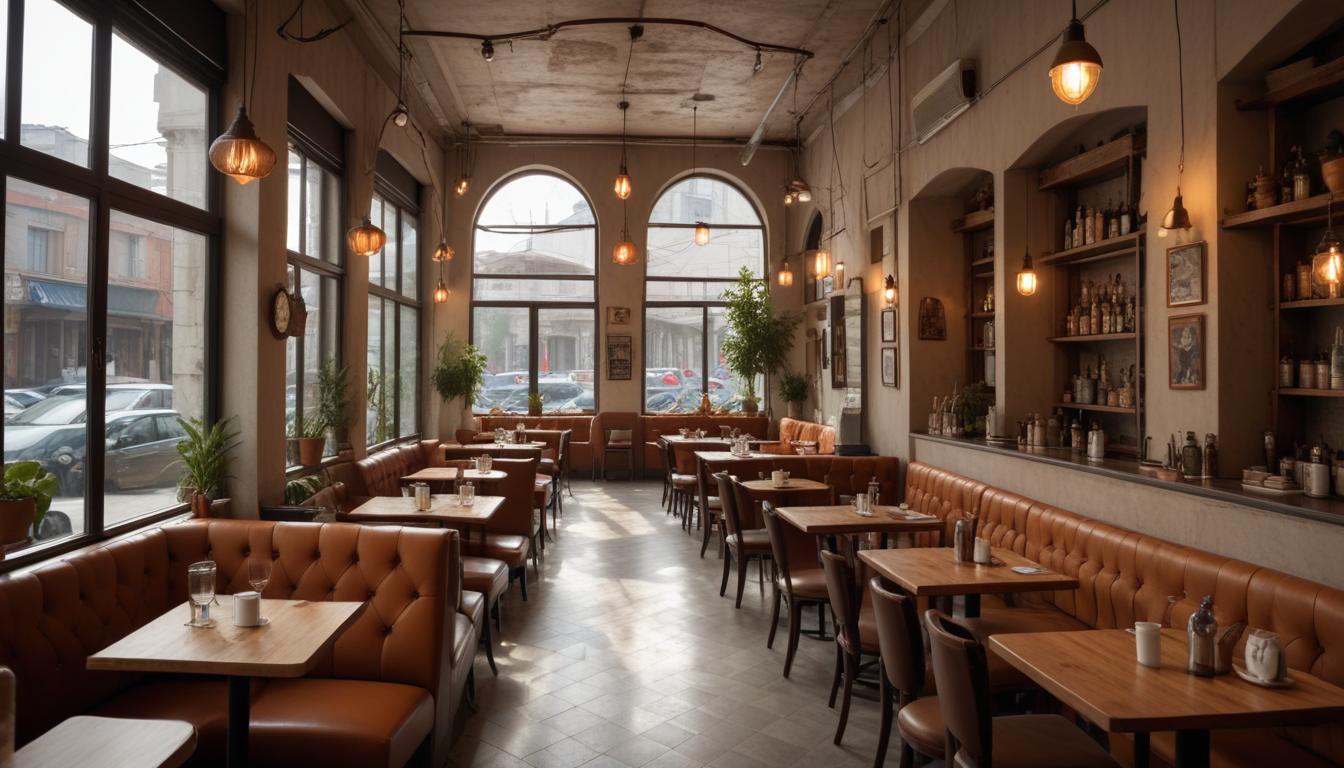
Balat and Fener, the bohemian quarters hugging the northern shore of the Golden Horn, have quietly become where creative professionals spend their evenings. Unlike Beyoğlu's standardised cocktail culture, these neighbourhoods offer smaller wine bars and meyhane establishments where a rakı costs 150-200 Turkish lira and conversation matters more than Instagram angles. Locals consistently recommend arriving after 11 p.m., when the neighbourhood shifts from daytime gallery browsers to actual drinkers. The waterfront walk itself—free, unmonitored, and lined with fishermen at midnight—functions as social infrastructure most visitors never discover.
For those seeking structured socialising, Kadıköy's bar scene across the Bosphorus offers a different energy. The neighbourhood's younger demographic means venues trend slightly hipper without abandoning substance. Beer culture runs deeper here; microbreweries have opened steadily since 2022, with prices ranging from 80-120 lira for local craft options. The street life extends later, with people casually moving between spots rather than committing to single venues.
The honest assessment from service industry workers: anywhere charging above 200 lira for a basic cocktail is primarily targeting tourists, not community. Real locals frequent neighbourhood rakı houses, smaller wine importers, and the kind of places without English signage. Beşiktaş offers sporting bars with intense football atmospheres, particularly around match days, while Nişantaşı caters to older, more upscale crowds willing to pay premium prices for consistency.
What distinguishes genuine local haunts isn't novelty—it's repetition and recognition. Bartenders remember orders. Owners know when regulars are absent. These relationships develop in quieter places where people actually return. The best night out in Istanbul often involves knowing someone who knows a place, rather than hunting through review sites.
The unspoken rule: if a venue's primary marketing occurs through social media, it's probably not where locals spend regular evenings. The real Istanbul nightlife exists in the gaps between official tourism infrastructure, in neighbourhoods where the last bus comes early and conversation still matters more than presentation.
This article was compiled by AI from the sources linked above and screened before publishing. See our editorial standards.
How does this story make you feel?
Spread the word
About this article
Published by The Daily Istanbul
Daily brief
Free, in your inbox before 7am. Weekdays.
More in lifestyle