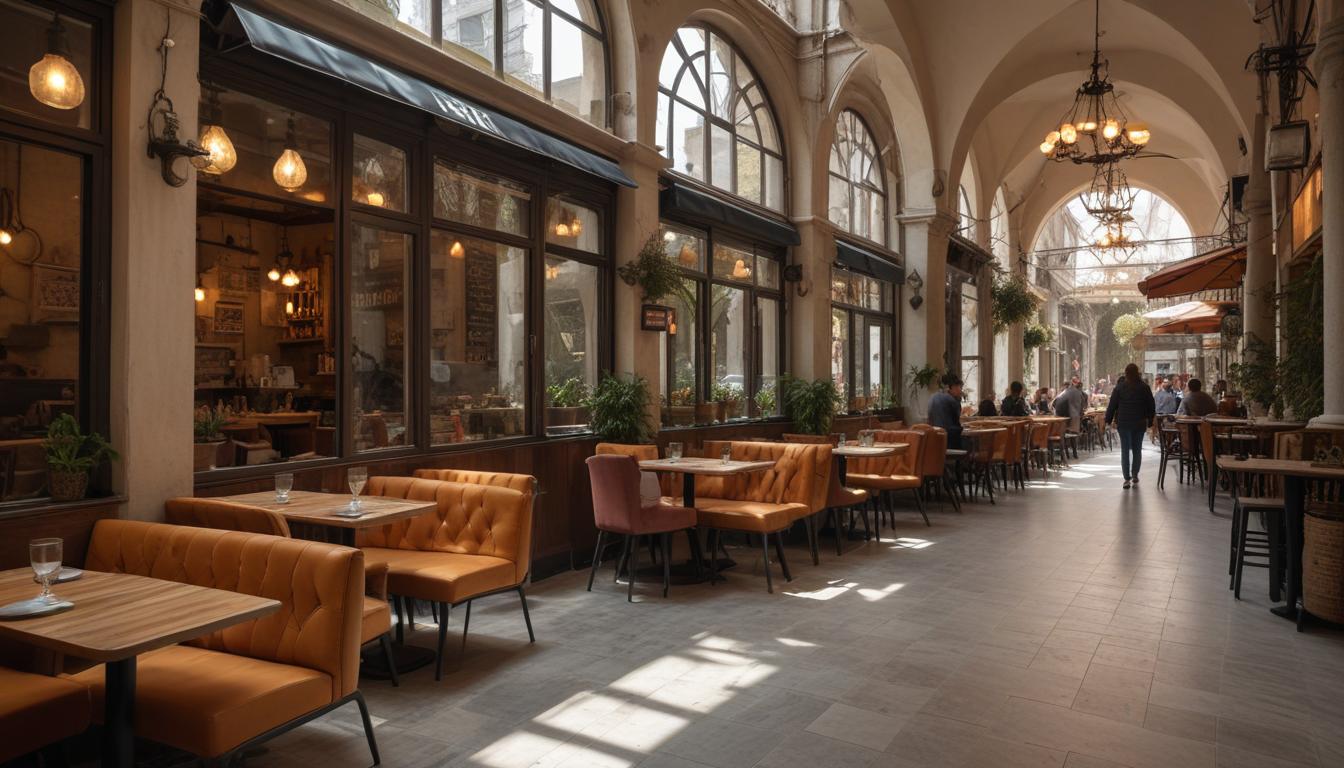
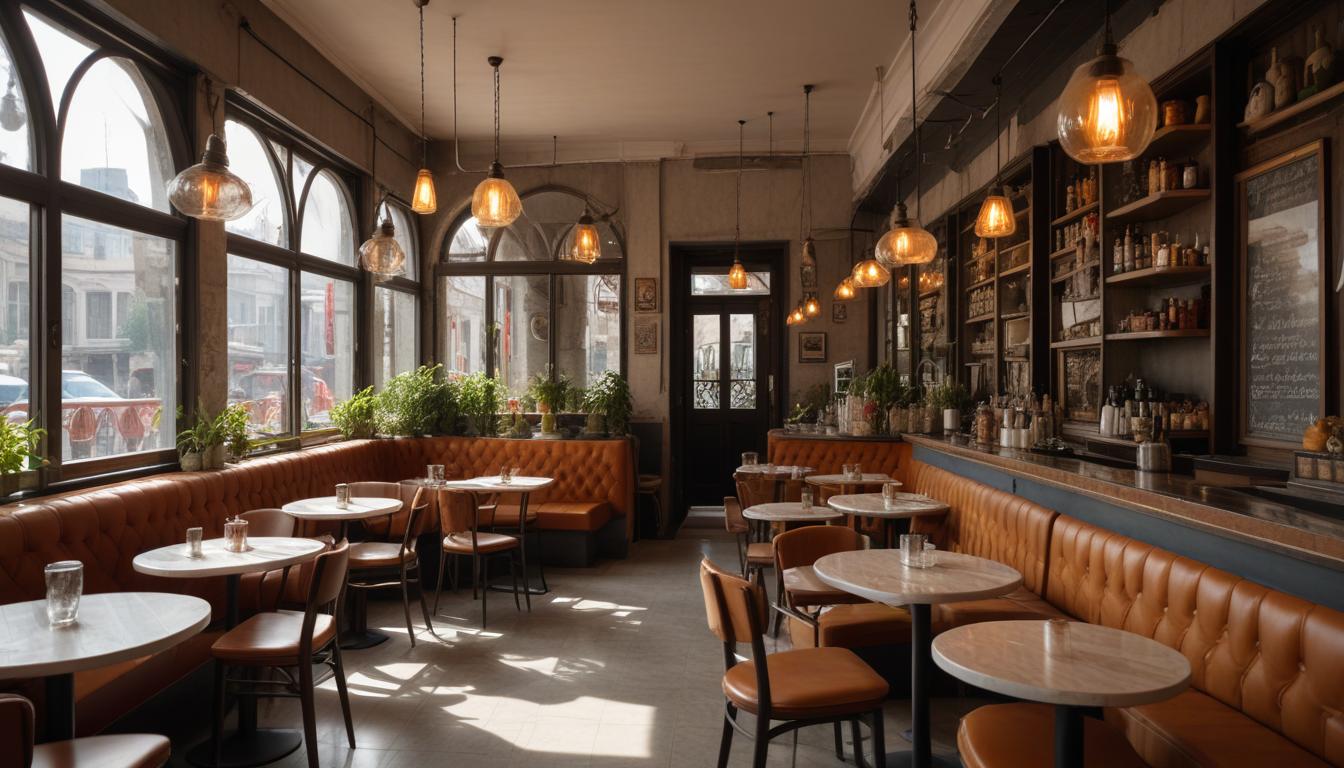
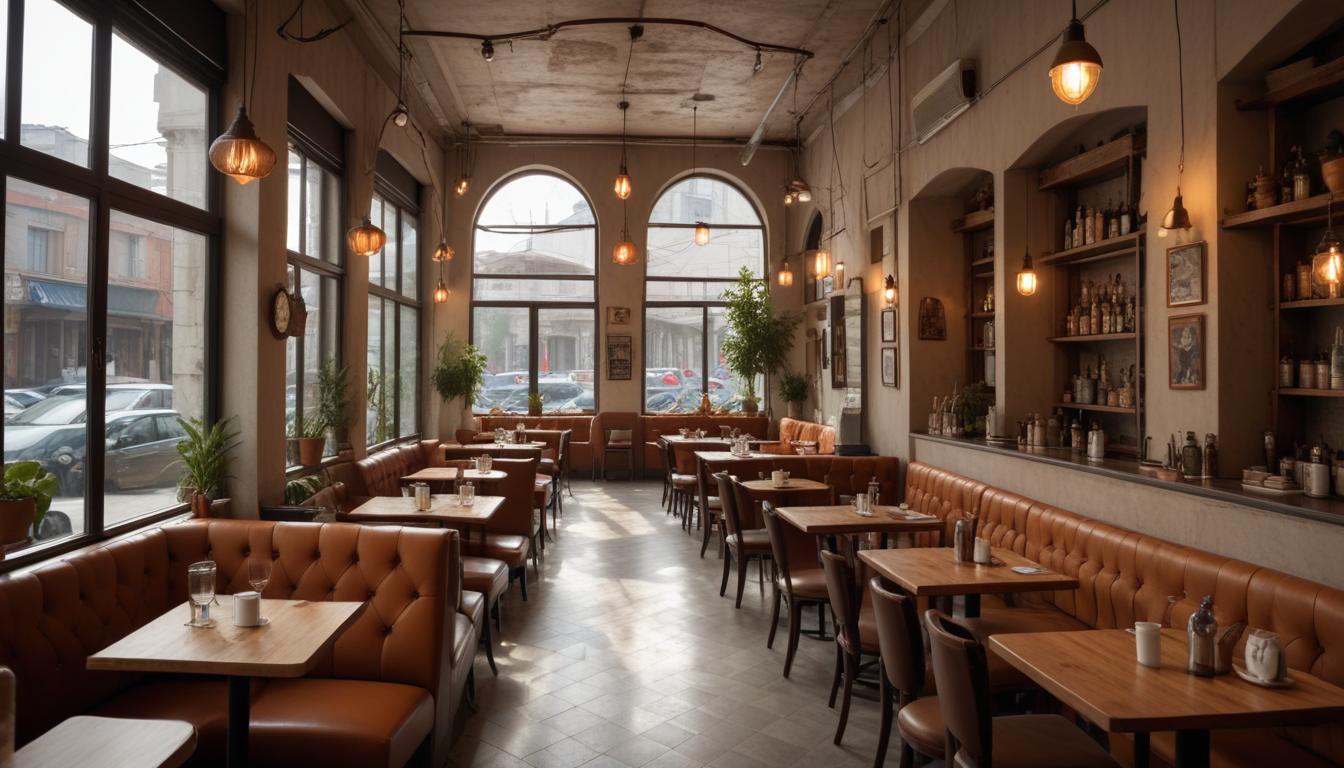
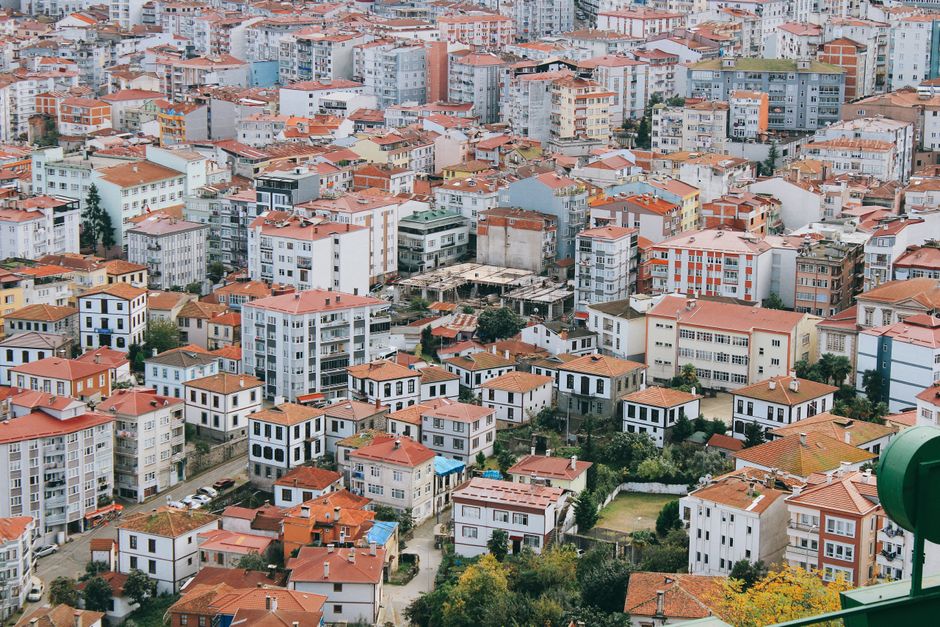
Walk down İstiklal Avenue on any weekday morning and you'll notice something has shifted in Beyoğlu. The neighbourhood that built its reputation on transience—a place where expats stayed for a season before moving on—is now hosting a different crowd: families unpacking boxes, entrepreneurs signing three-year leases, and remote workers setting down roots alongside their espresso machines.
Real estate agents report a marked change in enquiry patterns. Where five years ago most expat relocations clustered around furnished one-year contracts, 2026 data from Istanbul's major relocation agencies shows 64% of new foreign residents are now signing agreements of two years or longer. "The demographic has shifted," explains a common refrain among property managers across Galata and Karakӧy. Salaries alone no longer dictate neighbourhood choice; families now ask about international schools, healthcare access, and community stability.
This shift is reshaping the infrastructure of daily life. Nişantaşı, traditionally an affluent Turkish enclave, has seen its demographic composition change dramatically, with expat presence rising from roughly 12% to 31% in just three years. New businesses reflect this: organic grocery stores on Teşvikiye Caddesi now stock specific dietary products; co-working spaces have become neighbourhood anchors rather than passing trends. The Beyoğlu Expat Hub on Mis Street, opened in 2024, now houses over 280 member families and has become less about networking events and more about genuine community infrastructure.
Language education is booming. Turkish lessons—once a novelty—have become essential. Multiple organisations report waiting lists for intensive courses, with some charging 2,500 to 4,500 TL monthly for serious learners. The appetite for deeper cultural integration signals something psychologically important: people aren't planning their exit strategy anymore.
Yet rapid stabilisation brings tensions. Long-term residents are now grappling with real estate inflation that's pricing out newcomers. Rental costs in central Beyoğlu have climbed 40% since 2023. Landlords who once welcomed short-term volatility now prefer stable, longer-term tenants—creating a paradox where the neighbourhood's appeal is simultaneously closing doors to newer arrivals.
The transformation is incomplete and ongoing. Some venues still trade on that old transient energy; others have quietly repositioned as lifestyle anchors. What's clear is that Beyoğlu's expat identity is no longer about temporary residence. It's becoming a genuine urban neighbourhood where people build lives, not just episodes.
This article was compiled by AI from the sources linked above and screened before publishing. See our editorial standards.