Walk through Beyoğlu on any evening and you'll witness the collision of centuries. Galleries occupy converted Armenian buildings. Jazz clubs nestle beside Ottoman-era hamams. This isn't accidental—it's the result of Istanbul's decades-long cultural evolution, a journey that has transformed the city from a fading imperial capital into one of Europe's most dynamic creative hubs.
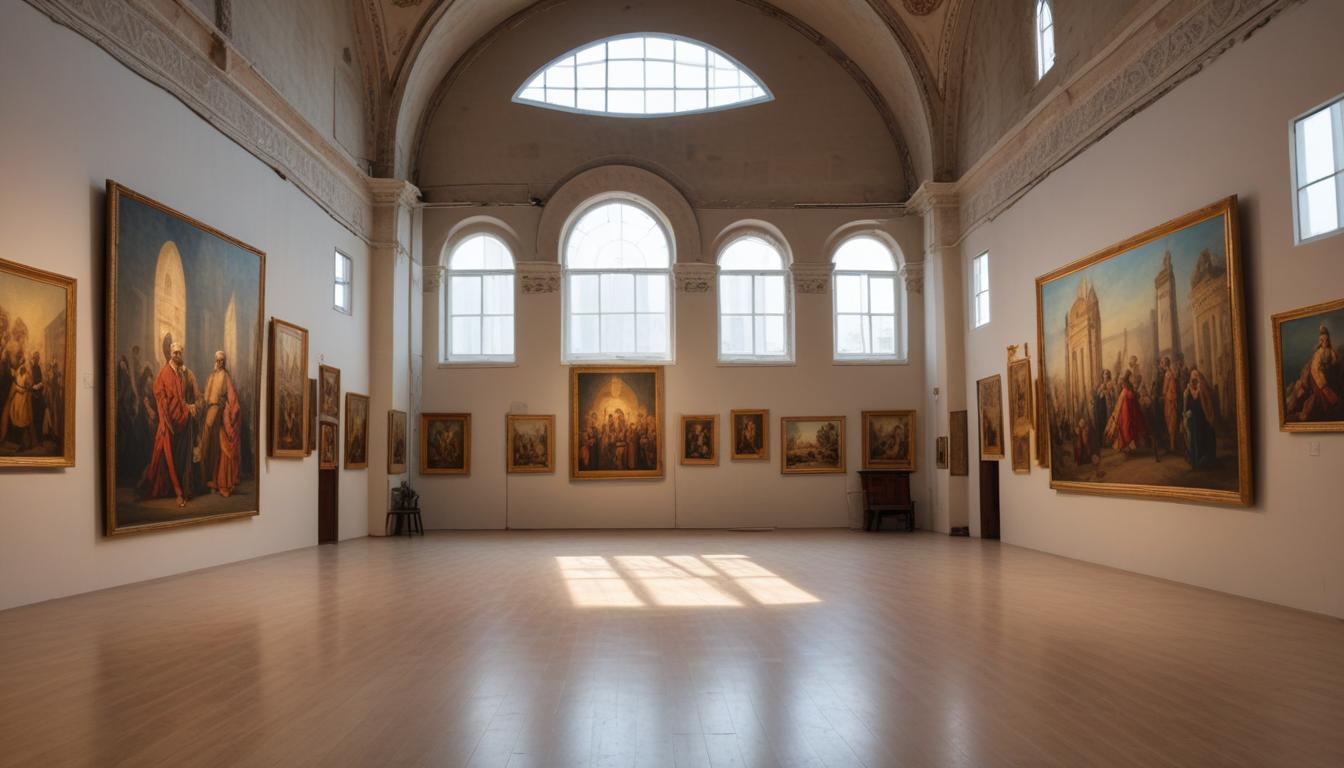
The modern cultural scene emerged gradually from the 1980s onwards, when economic liberalisation began reshaping Istanbul's identity. The Galata Tower district, long neglected, attracted the city's first wave of independent galleries and artist studios. Today, Meyhane Street thrums with creative energy, its narrow passages housing over 40 independent venues ranging from contemporary art spaces to experimental music clubs. Galleries like those clustered around the Pera Museum (which opened in 2005) established Istanbul as serious about curatorial practice.
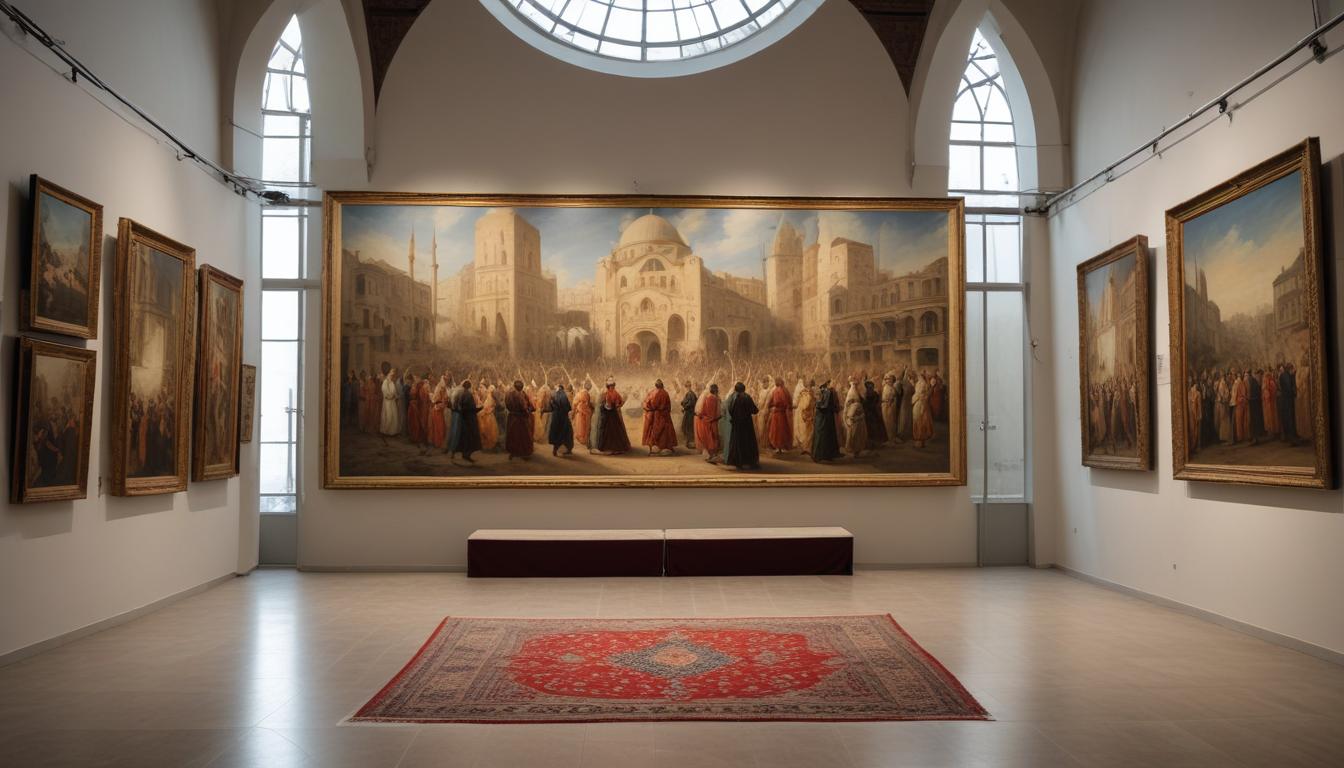
The real inflection point came in the 2010s. When the city hosted its first Design Biennial in 2012, it signalled institutional confidence in creative industries. Investment followed—both domestic and international. The Istanbul Biennial, running since 1987, evolved from a regional exhibition into a genuinely influential contemporary art event drawing collectors and critics globally. Attendance now routinely exceeds 300,000 visitors.
Neighbourhoods shifted accordingly. Balat, once a working-class district with crumbling Greek and Jewish heritage, underwent gradual gentrification. Vintage boutiques, coffee roasters, and design studios now occupy restored Ottoman townhouses. Property prices have climbed from approximately 1,500 Turkish lira per square metre in 2010 to over 25,000 today. For some residents, this represents cultural renaissance; for others, displacement.
Meanwhile, institutional infrastructure expanded. The Pera Museum joined older establishments like the Istanbul Museum of Modern Art (founded 1981) and newer venues like Arter, which opened in 2010 as a contemporary art space. Independent publishing flourished—small presses like Sel Yayınları and Metis Yayınları became internationally recognised.
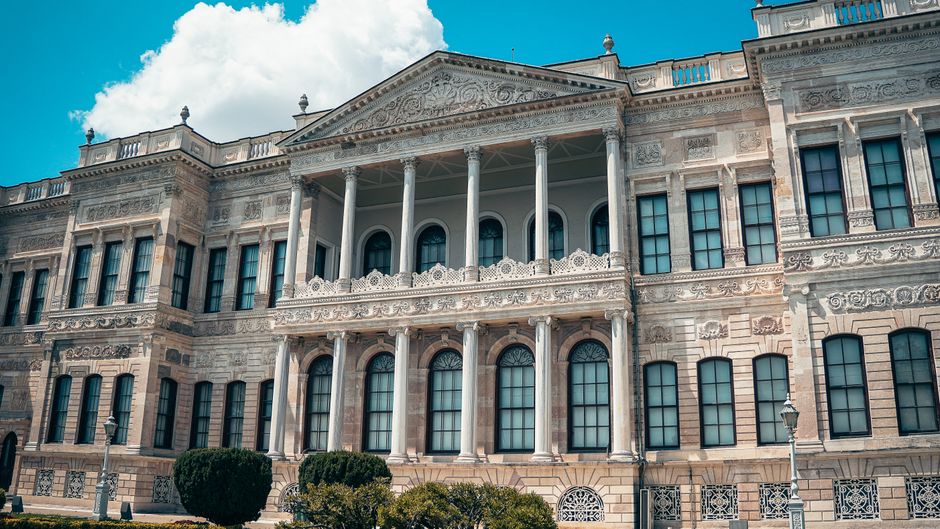
What makes Istanbul's cultural evolution distinctive is how it incorporates rather than erases history. The city's creatives work within a landscape of Byzantine churches, Ottoman mosques, and fin-de-siècle European buildings. This isn't backdrop—it's context. Artists, designers, and musicians continually reference Istanbul's Byzantine, Islamic, and Levantine heritage.
Yet tensions persist. Mass tourism, property speculation, and rapid globalisation threaten authentic cultural production. Young artists struggle with affordability. The question now facing Istanbul isn't whether it has become culturally significant—it clearly has—but whether that significance can remain rooted in genuine local creativity rather than becoming purely extractive tourism product.
This article was compiled by AI from the sources linked above and screened before publishing. See our editorial standards.