Istanbul's Next Wave: Five Emerging Voices Reshaping Theatre and Film
From Beyoğlu's experimental stages to Kadıköy's independent cinemas, a new generation of artists is claiming creative space in a city at a cultural crossroads.
From Beyoğlu's experimental stages to Kadıköy's independent cinemas, a new generation of artists is claiming creative space in a city at a cultural crossroads.
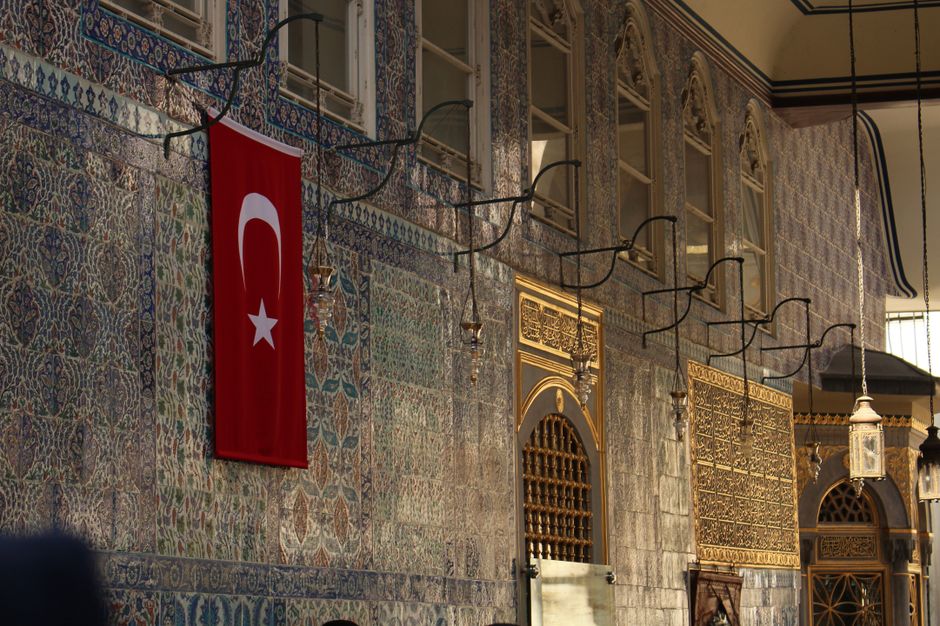
Walk down Istiklal Caddesi on any Thursday evening and you'll sense the shift. The gilt-edged concert halls still draw crowds, but it's the smaller venues—tucked into narrow passageways between tourist shops—where Istanbul's theatrical future is being written. A wave of emerging artists, predominantly in their late twenties and thirties, is redefining what performance means in Turkey's largest city, working with urgency and unflinching honesty.
The Müze Tiyatrosu collective in Galata, which operates from a converted warehouse space, has become an unofficial laboratory for experimental work. Their recent cycle of short plays—staged on weekends to audiences of 40-60 people—tackled themes of displacement and urban anxiety with a rawness rarely seen on Istanbul's mainstream stages. Ticket prices hover around 80-120 Turkish lira, making the work accessible beyond the Beyoğlu bubble that traditionally gatekeeps the arts here.
On the film side, Kadıköy's independent cinemas have become incubators for new documentary voices. Venues like Sinemaloji have begun dedicating monthly slots to work by emerging filmmakers, with pieces examining everything from the social fractures visible along the Bosphorus waterfront to intimate family portraits. The city's film schools—Istanbul University's prestigious Cinema Department and the emerging programme at Bilgi University—are producing graduates who refuse the conventional path to commercial cinema, instead creating platforms like 'Cine-Çember,' a monthly screening collective born from a WhatsApp group in 2023.
What distinguishes this moment is the artists' relationship to Istanbul itself. Rather than viewing the city as backdrop, they're investigating its contradictions—the visible seismic anxiety following regional earthquakes, the rapid gentrification reshaping neighbourhoods like Balat, the precarity of cultural work in an increasingly uncertain economy. These aren't sanitised narratives for international festival circuits; they're deeply local explorations with global resonance.
The infrastructure remains fragile. Most emerging performers cobble together funding through crowdfunding, personal savings, and occasional grants from the Istanbul Foundation for Culture and Arts (İKSV). Venues are precarious—landlords can evict at short notice, and municipal support remains inconsistent. Yet the energy is undeniable. In Besiktaş and Şişli, informal artist collectives are rehearsing in cramped apartments and underground spaces, developing the work that will define Istanbul's cultural conversation over the next five years.
For those watching closely, this is the moment to pay attention.
This article was compiled by AI from the sources linked above and screened before publishing. See our editorial standards.
How does this story make you feel?
Spread the word
About this article
Published by The Daily Istanbul
Daily brief
Free, in your inbox before 7am. Weekdays.
More in culture