How a Beyoğlu Artist Collective Turned a Forgotten Warehouse Into Istanbul's Most Anticipated Summer Festival
Three years of grassroots organizing transformed an abandoned Ottoman storage facility into the city's most eclectic cultural gathering.
Three years of grassroots organizing transformed an abandoned Ottoman storage facility into the city's most eclectic cultural gathering.
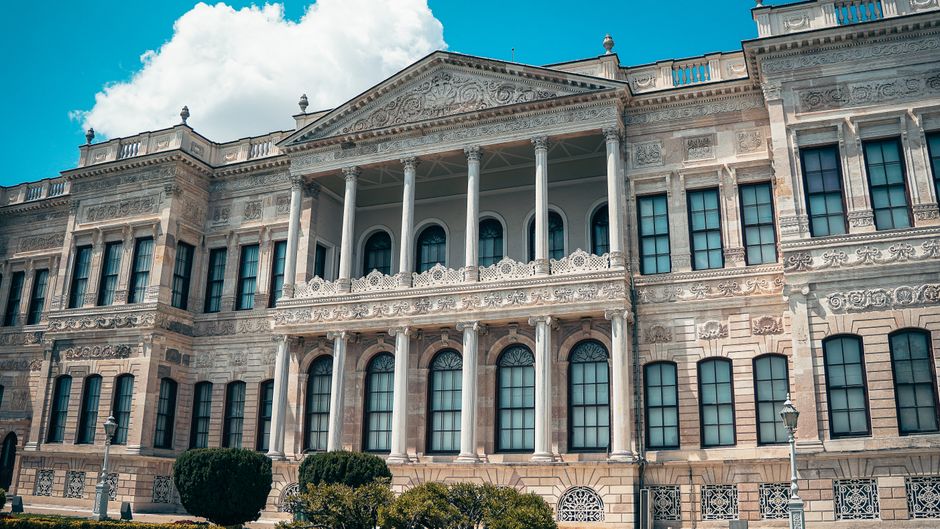
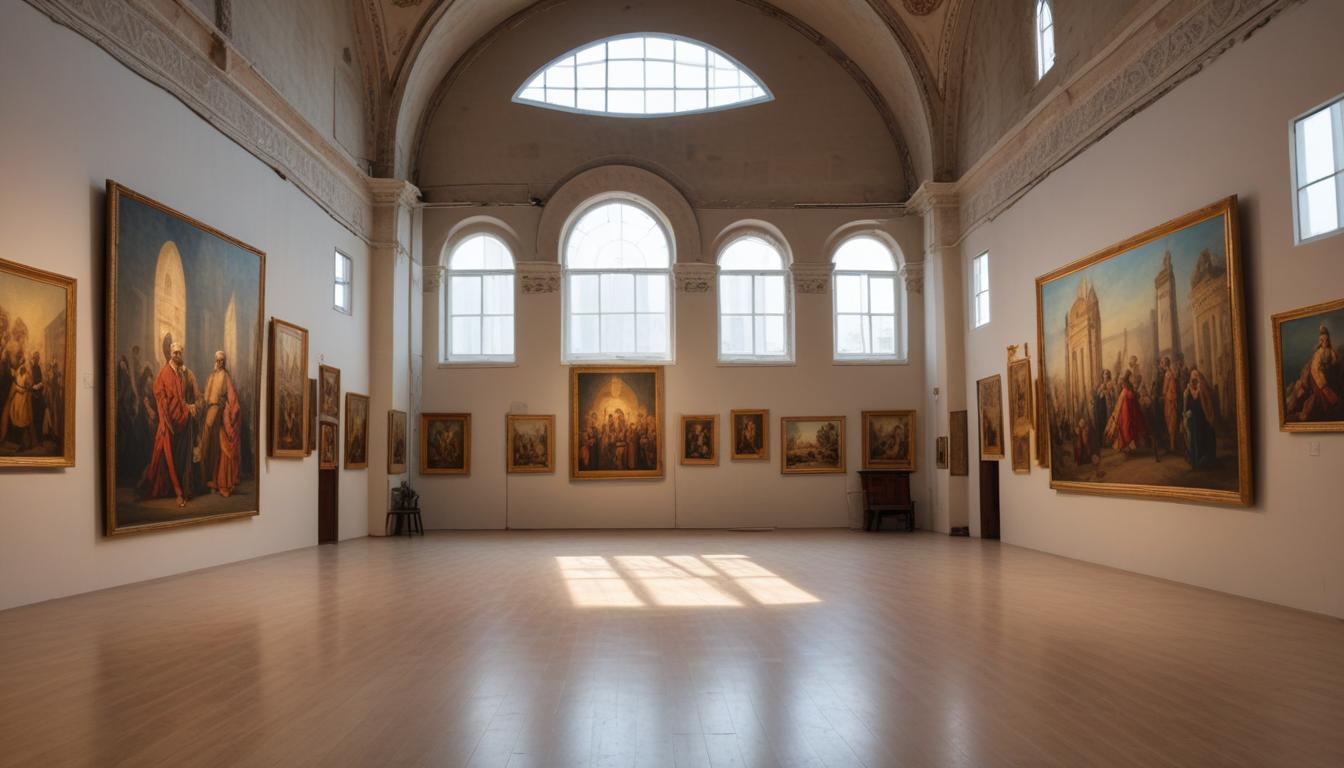
Walk down the narrow cobblestone streets behind Galata Tower and you'll find yourself in front of a nondescript concrete structure that, until 2024, housed nothing but pigeons and structural damage. Today, the Tütün Deposu—a 19th-century tobacco warehouse in the heart of Beyoğlu—pulses with life most weekends, hosting everything from Turkish jazz ensembles to experimental theatre to underground film screenings.
The transformation didn't happen by accident or municipal mandate. It began three years ago when a loose collective of visual artists, musicians, and cultural workers—many of them priced out of commercial gallery spaces—noticed the building sitting abandoned for over a decade. What followed was an unlikely partnership: the group negotiated directly with the property owners, cobbled together initial funding through crowdfunding and small grants from foundations like the Istanbul Foundation for Culture and Arts, and spent the first year simply cleaning, rewiring, and restoring the space with volunteer labour.
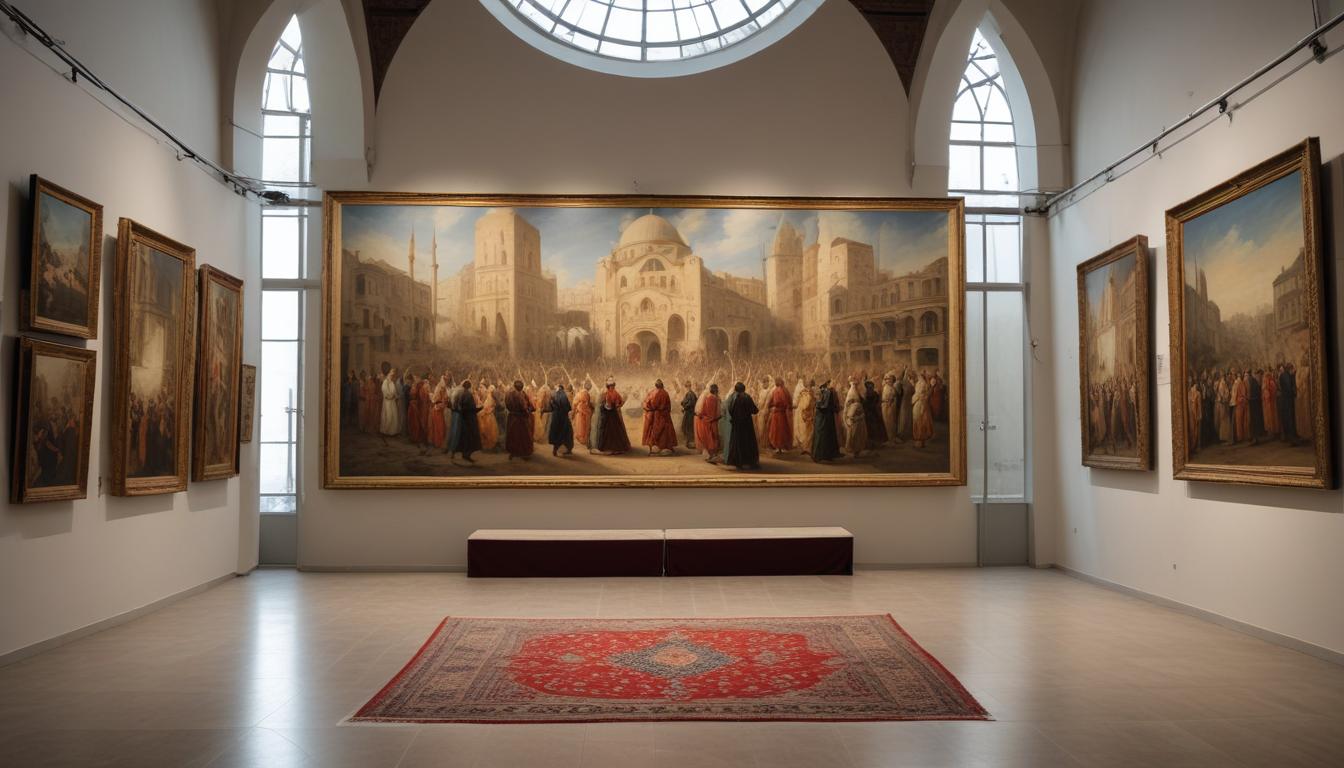
The warehouse's 1,200-square-metre interior now hosts the Tütün Festival, which has grown from a modest three-day gathering in June 2024 to a month-long event drawing over 18,000 visitors annually. This year's edition runs through July and features 47 events across theatre, music, visual arts, and literature. Ticket prices remain deliberately accessible—most performances cost between 50-150 Turkish lira—a deliberate choice to keep the venue embedded in its working-class neighbourhood rather than become another gentrification engine.
What distinguishes Tütün from Istanbul's proliferation of corporate-sponsored festivals is its governance structure. Programming decisions are made collectively by a rotating committee of 12 artists rather than a single curator or commercial board. This means the line-up reflects the eclectic tastes of the neighbourhood itself: a Sufi music evening sits alongside a queer poetry slam; a workshop on Ottoman architectural restoration runs parallel to a hip-hop showcase.
The success hasn't gone unnoticed by city planners and rival cultural institutions. Yet the collective remains protective of its independence. They've already rejected two formal sponsorship offers that would have required naming rights or curatorial control. The real victory, members suggest, isn't the festival's size but its proof of concept: that in a city of 15 million, a group of underfunded artists can still claim public space and build something essential.
For Istanbullus tired of high-ticket cultural consumption, Tütün represents something increasingly rare—a gathering that feels genuinely made by the city, not marketed to it.
This article was compiled by AI from the sources linked above and screened before publishing. See our editorial standards.
How does this story make you feel?
Spread the word
About this article
Published by The Daily Istanbul
Daily brief
Free, in your inbox before 7am. Weekdays.
More in culture